Page 4
Category: News
-
New CEO for MAC Trade Services
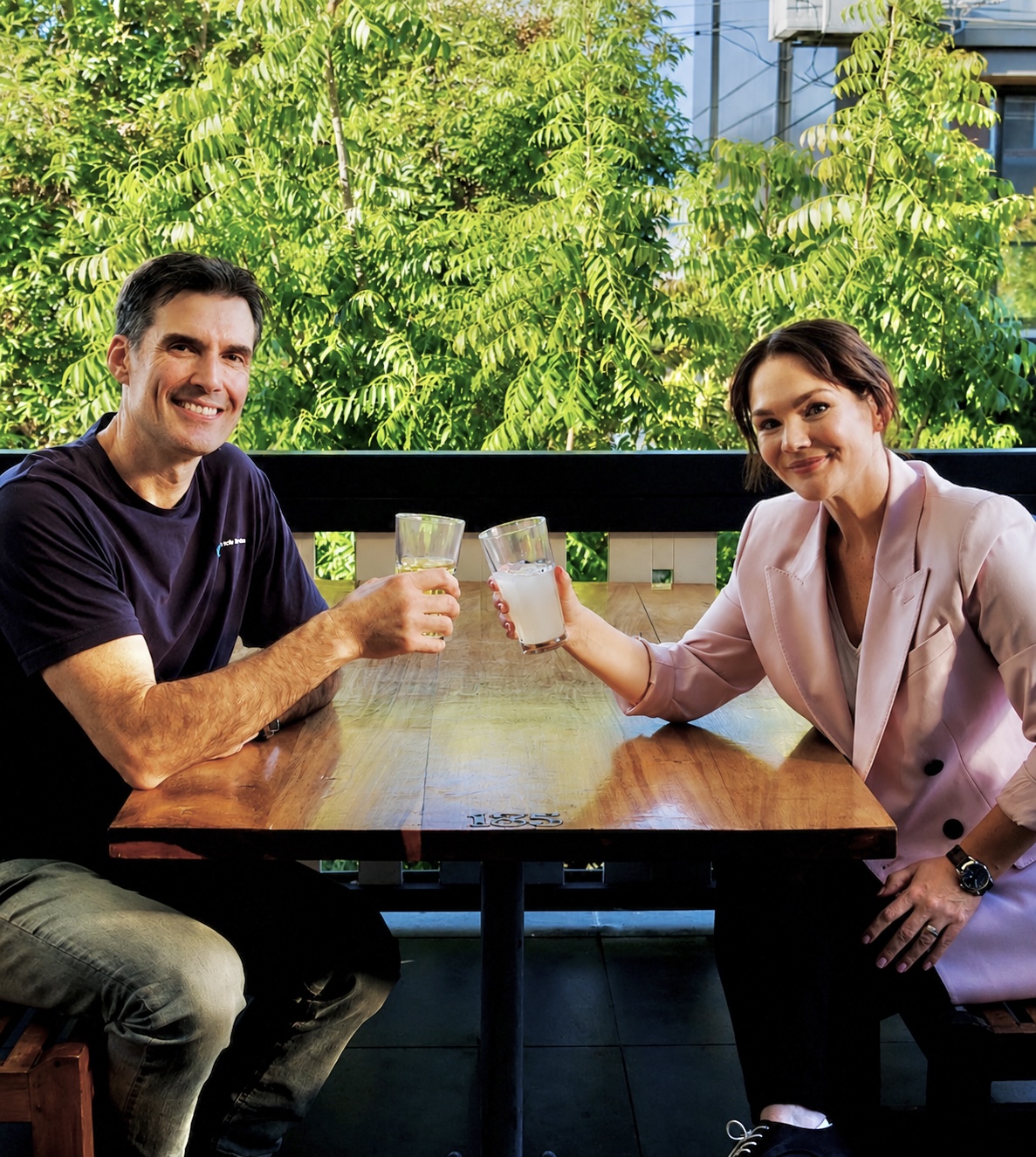
South Australia-based energy management and building services business, MAC Trade Services (MAC) has appointed Matt Csortan as CEO.
-

Whitepaper unpacks food retail energy efficiency
Refrigeration accounts for a major share of energy use in supermarkets, making HVAC&R a prime candidate for optimisation, as a new white paper from CAREL explains.
-
Microbial control standards open for comment
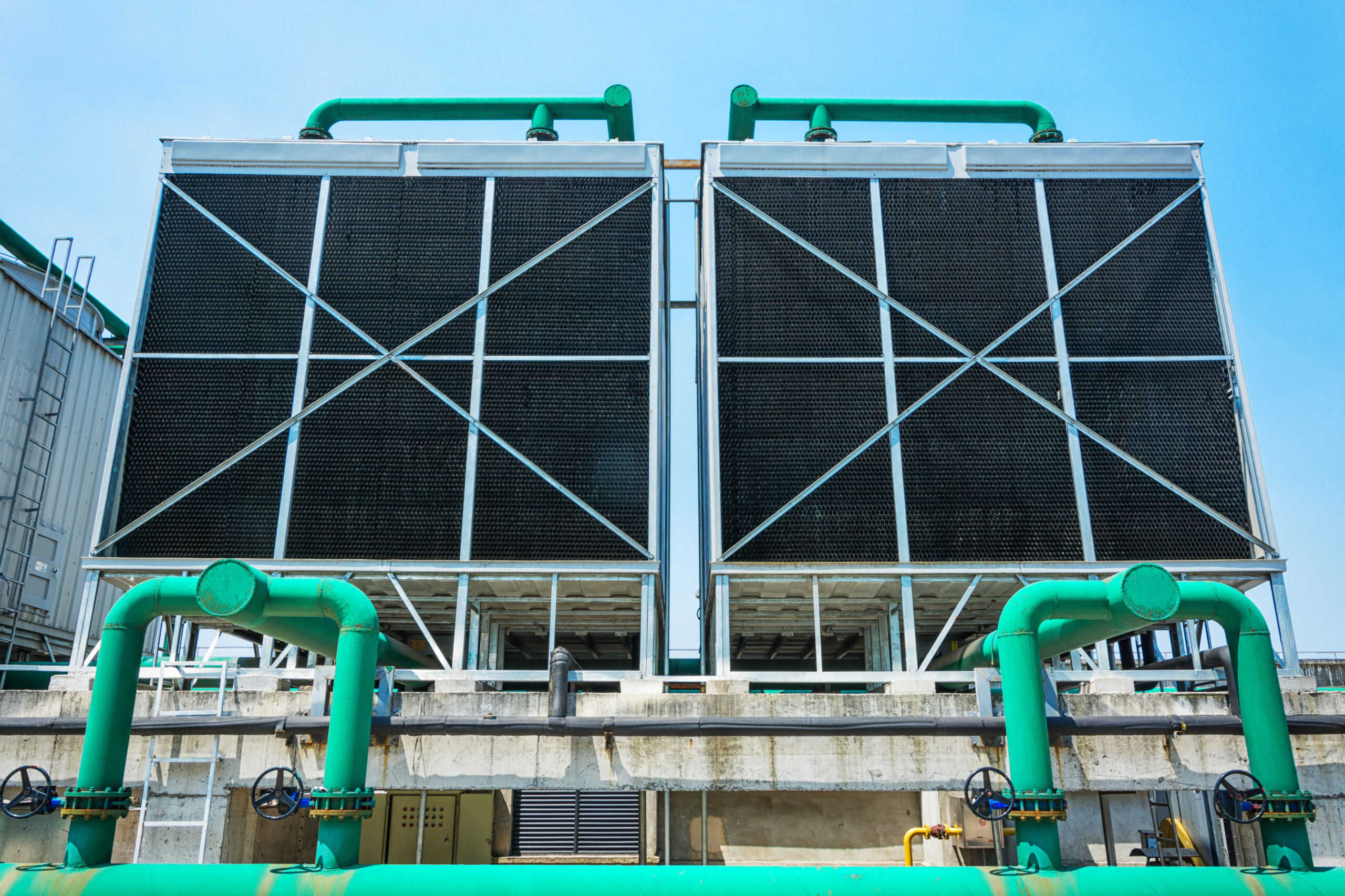
Draft revised editions of AS/NZS 3666 Part 1 and 2 are now out for public review.
-
Medal-winning trade skills
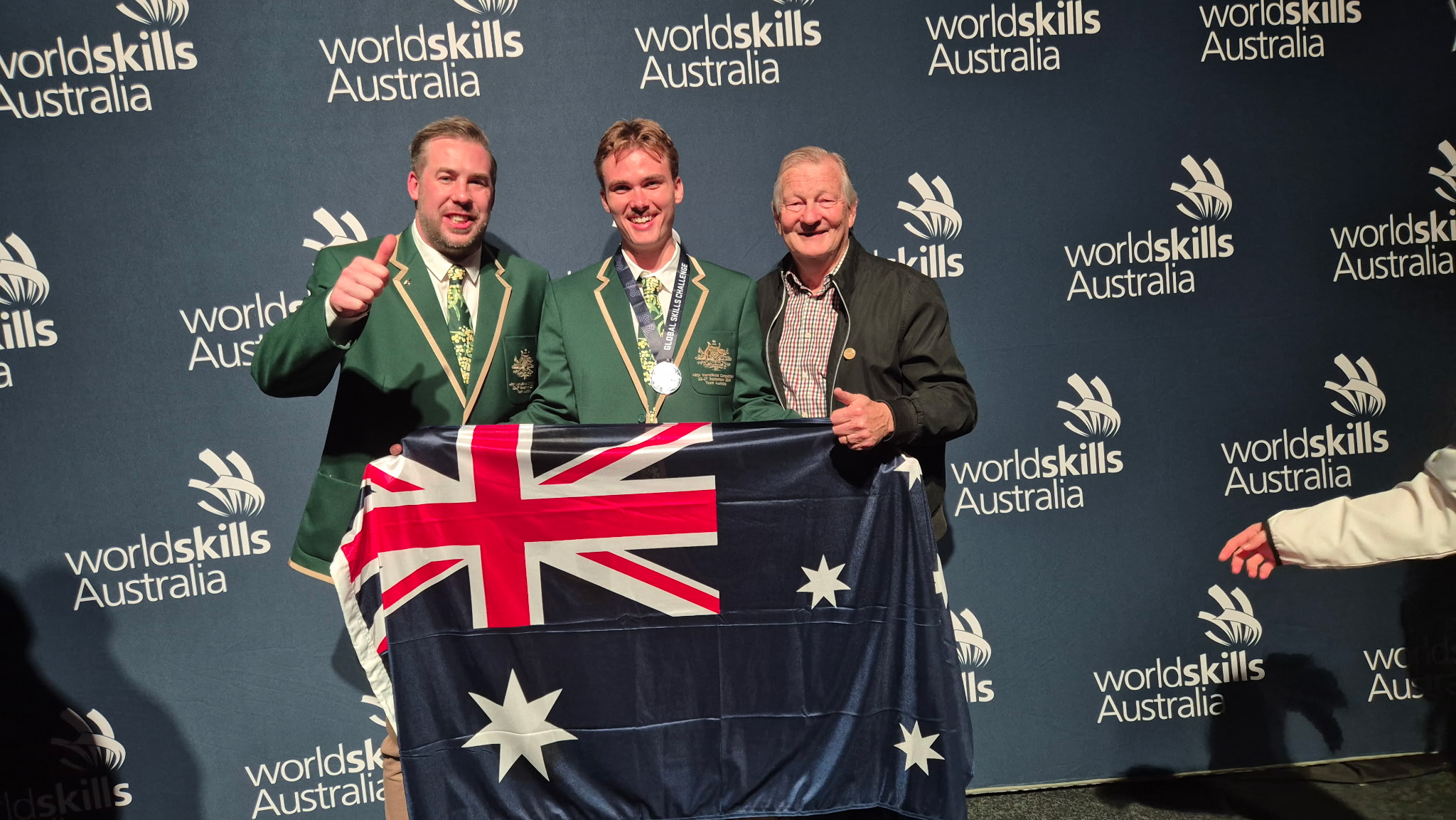
In a warm-up for the major WorldSkills International Competition in Shanghai in September, HVAC&R apprentices from six countries converged on Wollongong, with Australia’s Adam Morgan taking home a silver medal.
-

Improving HVAC in operating theatres
The University of Melbourne and Professor Forbes McGain, an anaesthetist and intensive care physician at Western Health in Melbourne, are running a survey to help improve the efficiency of heating, ventilation and air conditioning (HVAC) systems in operating theatres.
-

Future-proofing the third space in Tokyo
Heat records are shattering around the world, including Japan, where Daikin is collaborating to trial new ways to keep outside areas safe and comfortable.
-
New hands on the helm at Cundall
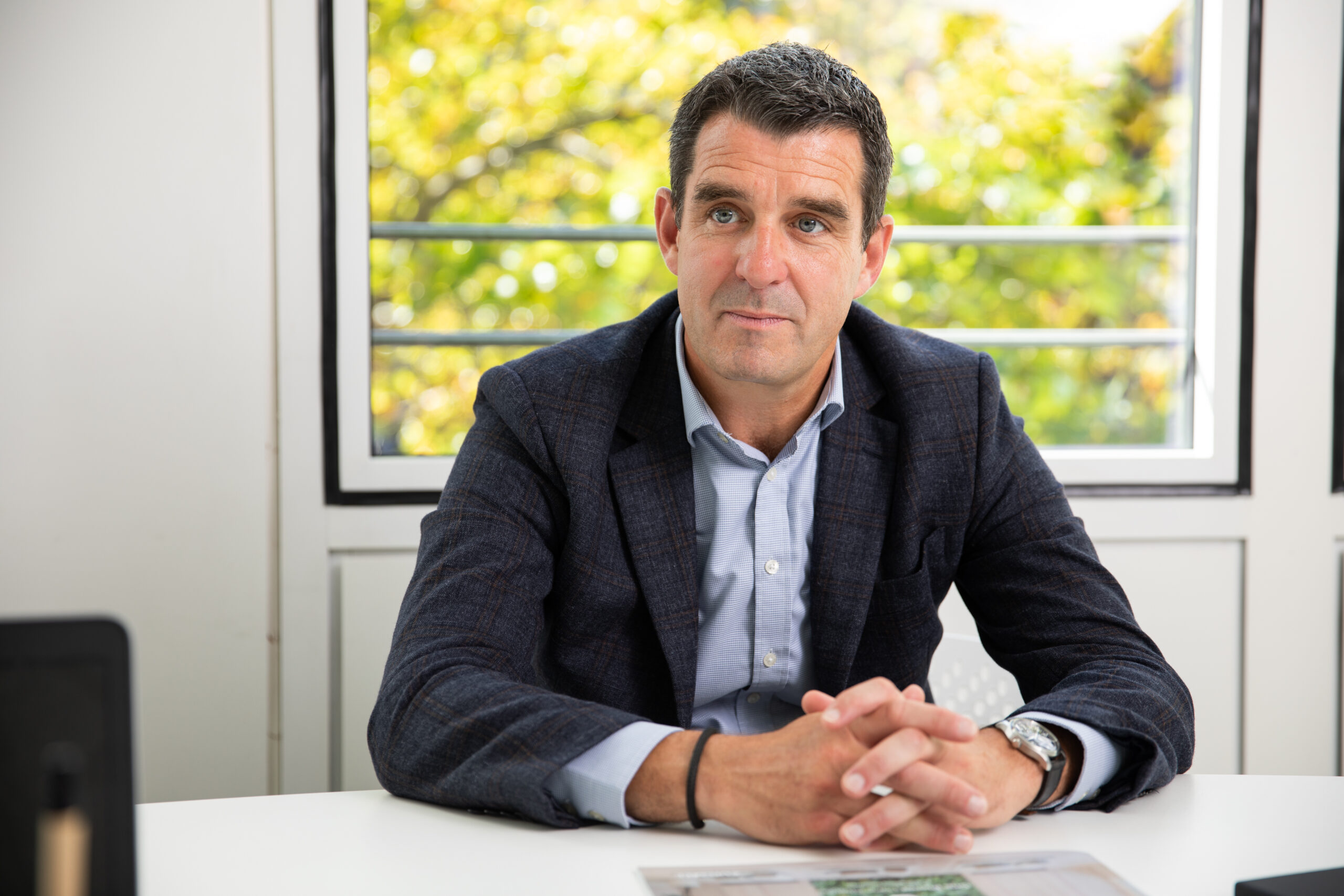
Global multi-disciplinary engineering and sustainability consultancy, Cundall, has appointed UK-based building services engineer, Kevin Hayes, to the position of Managing Partner.
-
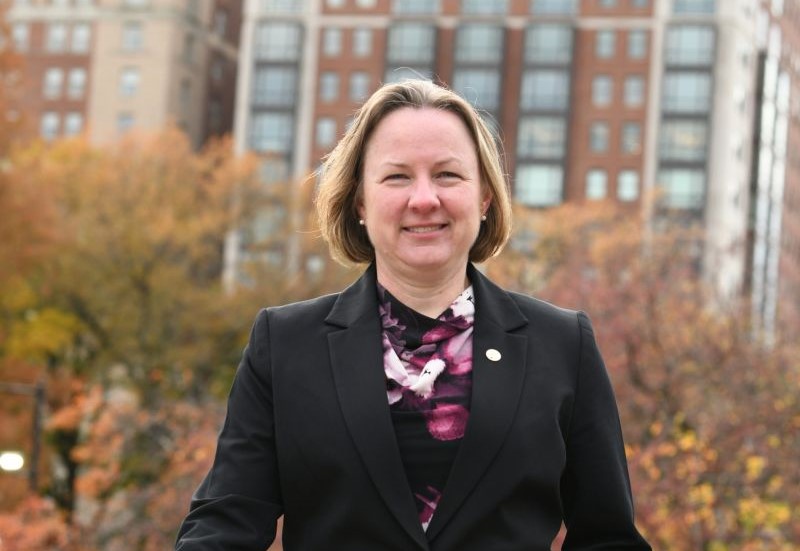
Incoming ASHRAE President brings retrofit focus
ASHRAE has installed its new Society President for 2026–27, Sarah E. Maston, P.E., BCxP, LEED AP.
-

It’s the festival of fridgies – AKA World Refrigeration Day
The annual World Refrigeration Day on June 26 is a chance to recognise the skills and contributions of professionals in the refrigeration, cooling and heating sectors. Here’s how AIRAH is celebrating the day.
-
Feedback sought on proposed IAQ standard
Standards Australia is currently seeking industry support and feedback on a proposal for a new technical specification for indoor air quality.
-
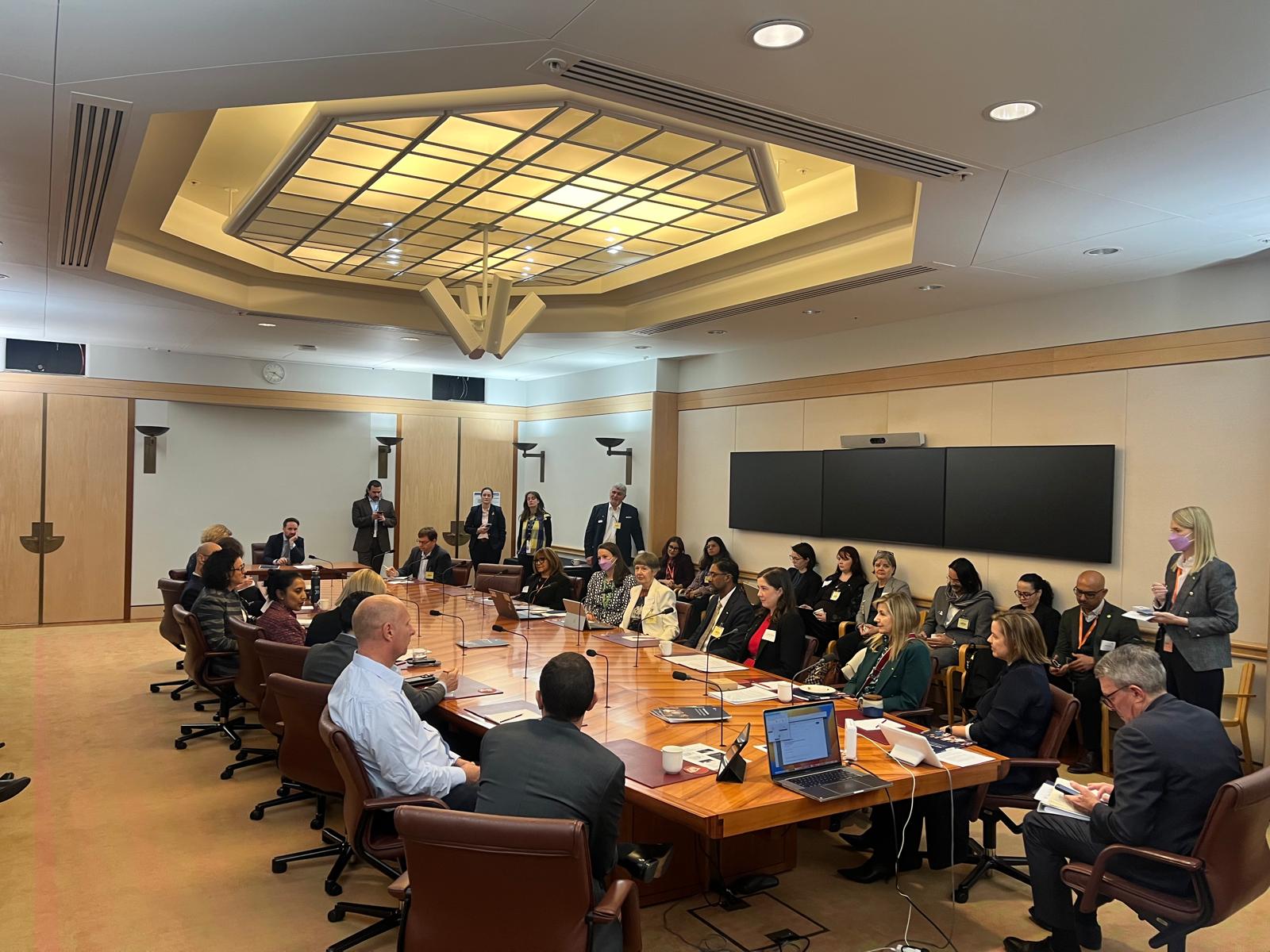
Government announces landmark CSIRO study on IAQ
The Australian Centre for Disease Control (CDC) will sponsor the CSIRO to assess the economic cost of poor indoor air quality in Australia.
-

MSAB becomes largest voting shareholder in Beijer Ref
Sweden-based family investment trust Melker Schörling AB (MSAB) has entered into an agreement to acquire all shares held by EQT in global refrigeration specialist Beijer Ref.
-
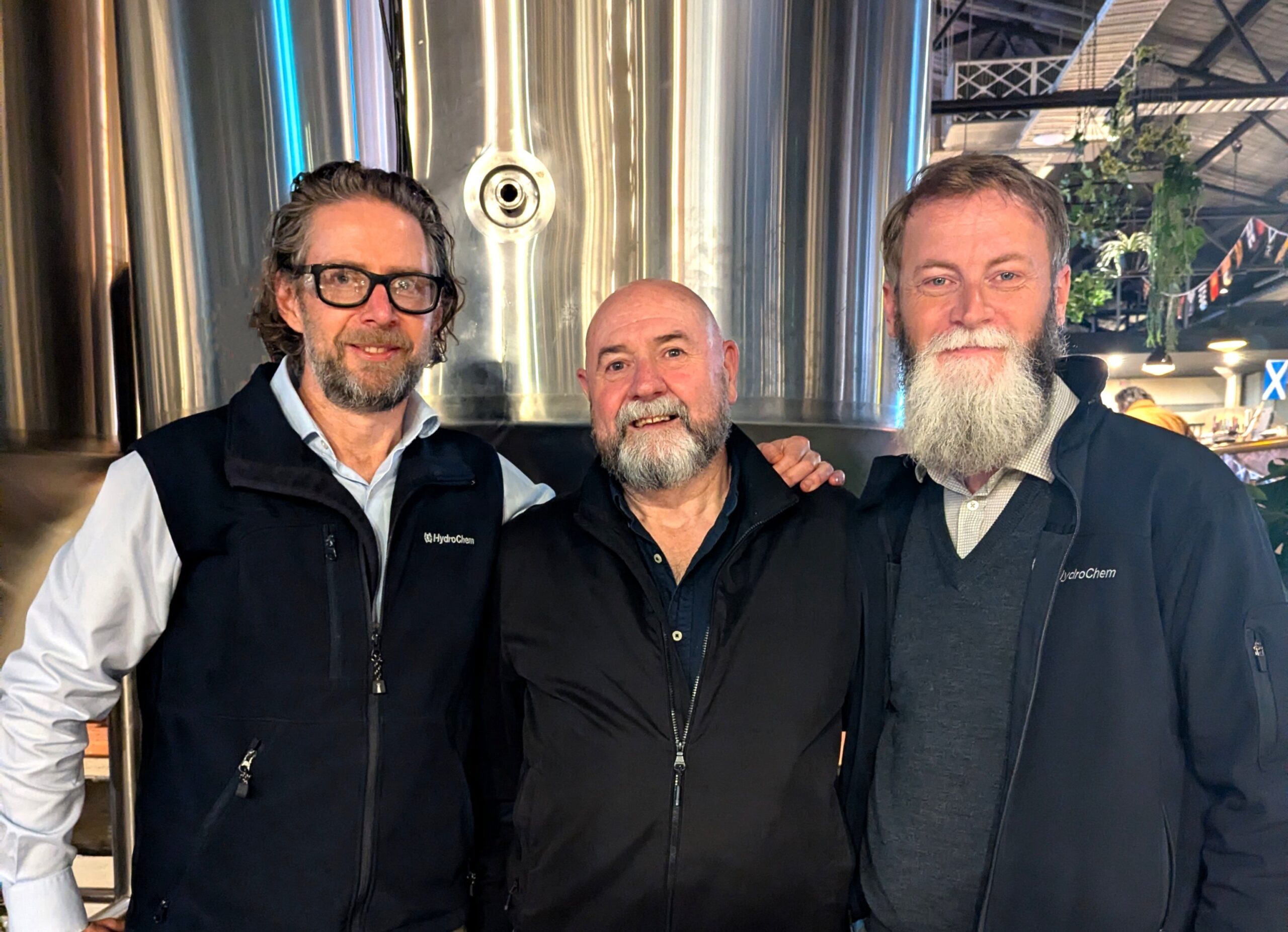
Mark Romage retires after 33 years at Hydrochem
From starting on the tools with Hydrochem in Victoria in 1992, through to heading up the Western Australian operation since 2009, in the past 33 years Mark Romage, Affil.AIRAH, has made his mark on the business.
-
Deemed engineers given 18-month extension
Engineers working in Victoria under deemed registration now have until the end of 2027 to complete the new registration process.
-
Global scheme helping laboratories reach net zero
The International Institute for Sustainable Laboratories (I2SL) aims to address a significant gap in resources for lab buildings by developing performance assessment, performance improvement, and professional accreditation tools specific to the energy-intensive laboratory sector.
-

Share your brilliance!
Every year, AIRAH’s National Awards showcase the achievements, technical excellence and emerging talent in the HVAC&R industry. Entries are now open for 2026.
-

ASHRAE releases guidance for AI data centres
ASHRAE has collaborated with the US Government’s Pacific Northwest National Laboratory and the National Electrical Manufacturers Association (USA) to develop the AI Data Centre Energy Performance Framework.
-
The movers and shakers in HVAC&R
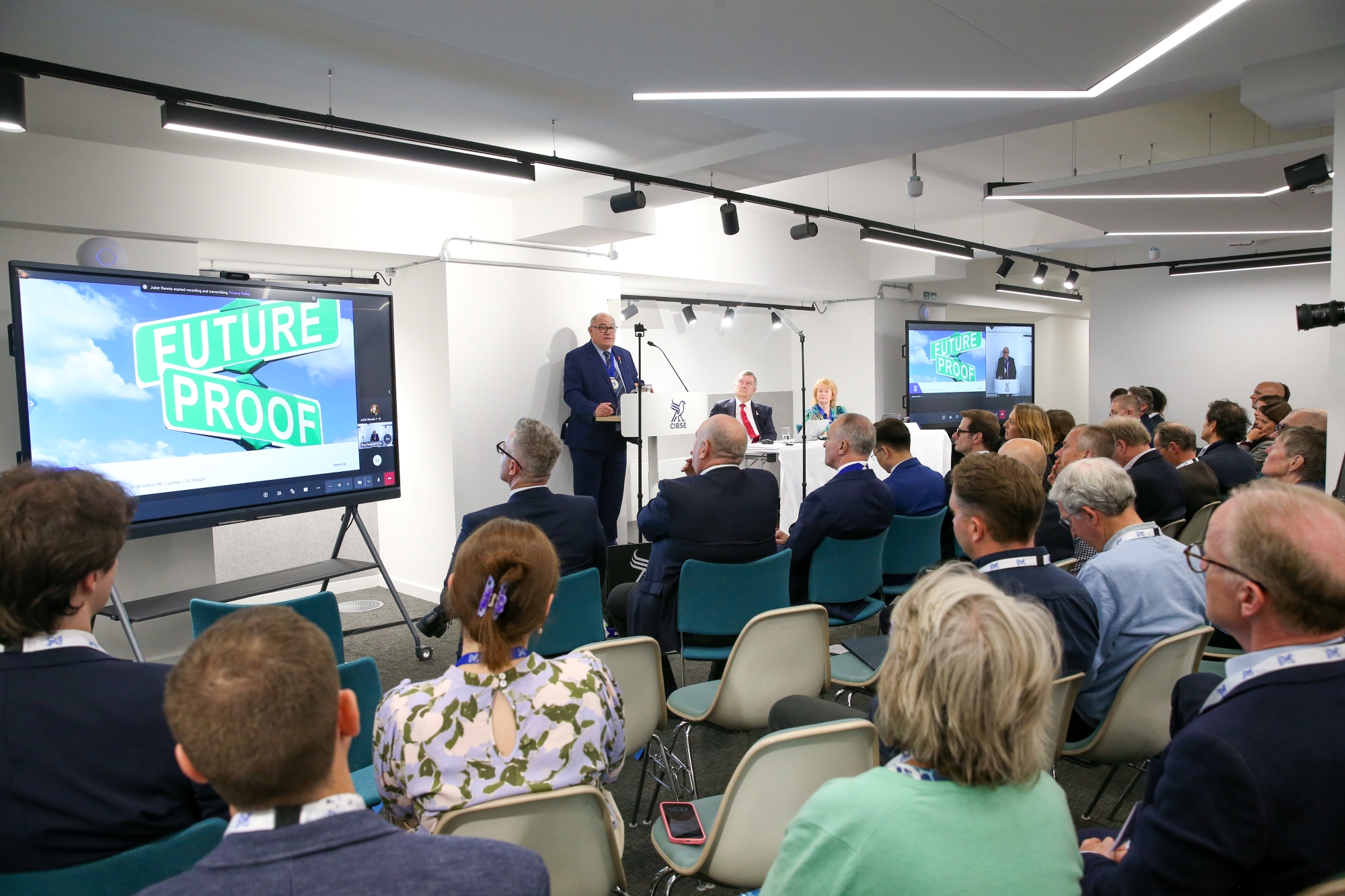
In the HVAC&R industry this week: CIBSE welcomes Dave Cooper as its new President, and AHRI President and CEO Stephen Yurek announces he will step down.
-

China launches first wind-powered underwater data centre
China has addressed energy challenges in data centres by constructing a wind-powered underwater data centre 10km off the coast of Shanghai.
-
CEO appointed for new National EPA
Former Chief Executive of the Victorian Department of Energy, Environment and Climate Action, John Bradley, has been appointed as the inaugural CEO of the new National Environment Protection Authority (EPA).