Page 1
Category: Features
-
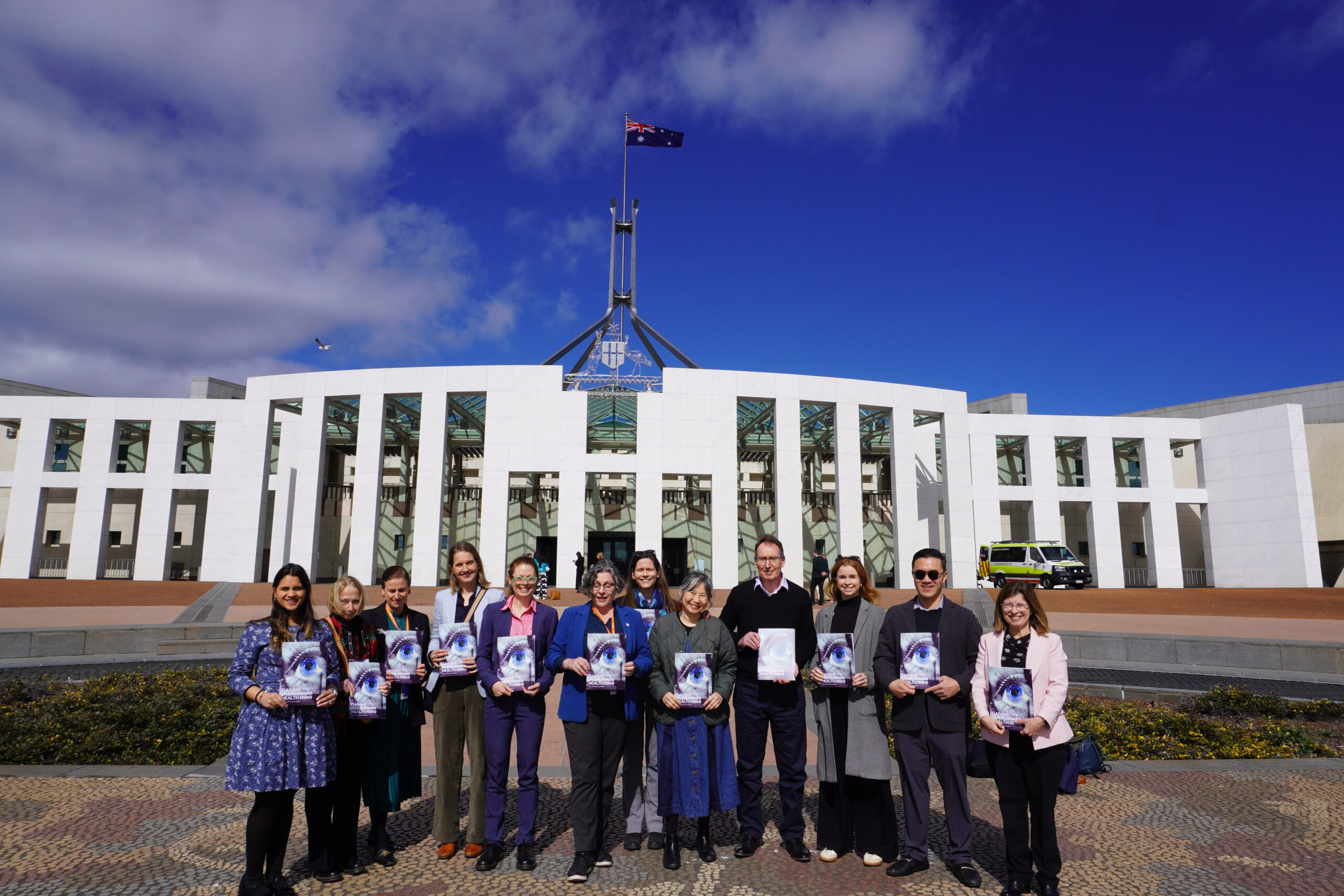
A hidden health risk
A new report by Australian medical experts reveals why transitioning away from gas needs to be a public health priority.
-

Saharan ants inspire cooling breakthrough
In 2016, the founders of Hong Kong-based climate technology company i2Cool began researching passive radiative cooling technology, gathering inspiration from Saharan silver ants. A decade later, their products are helping human communities beat extreme heat.
-
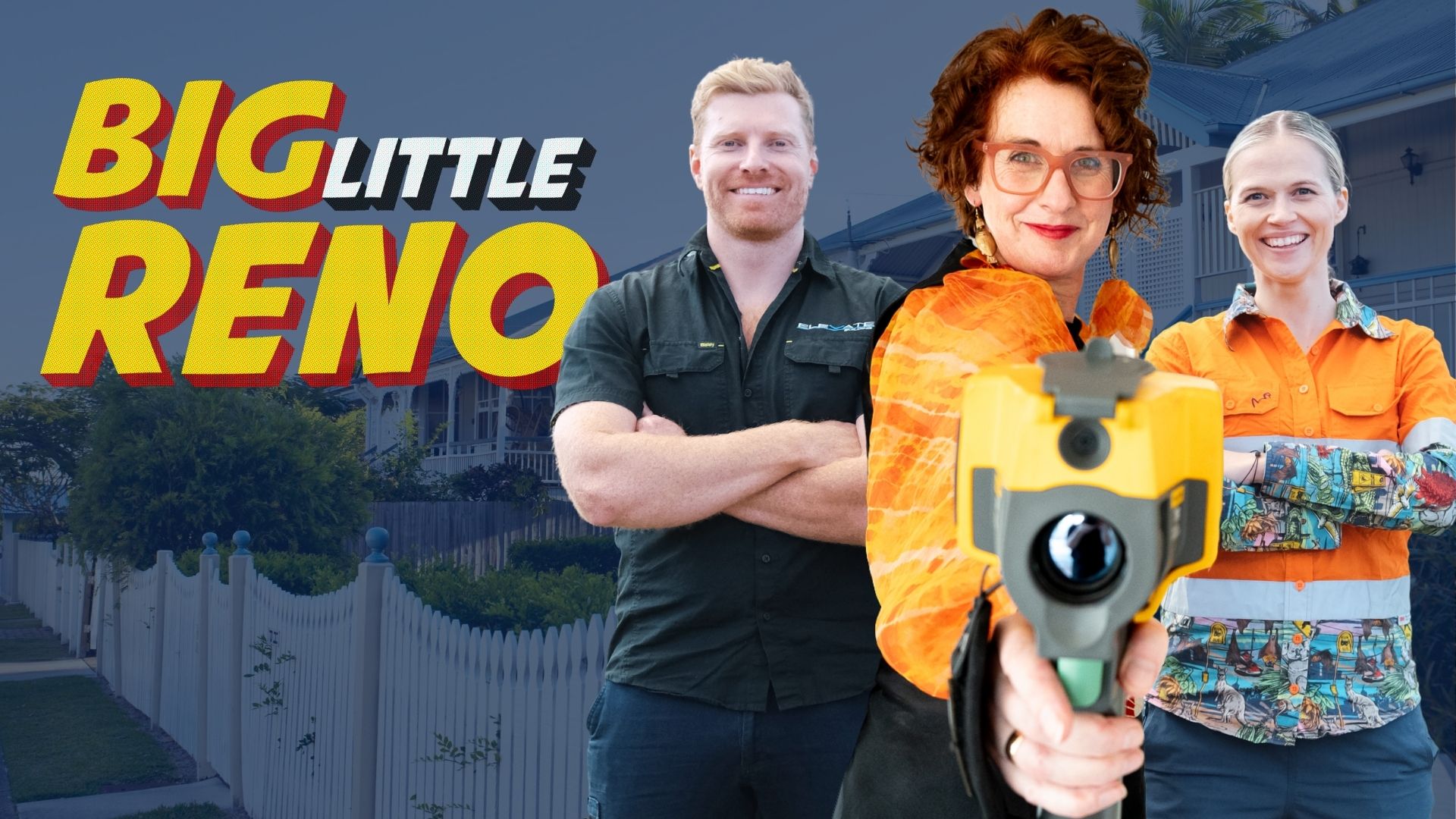
A TV reno show we can relate to
Forget the typical opulent bathrooms and gleaming expanses of stone kitchen benchtops – this new renovation show is all about the science of energy, thermal comfort and passive performance.
-

The Kigali climb – Managing risk in Australia’s ongoing refrigerant transition
The 10-year milestone of the Kigali Amendment is a fitting moment to reflect on the HFC phase-down journey so far – and what lies ahead. For Australia, this means re-examining key policy settings and industry practices relating to refrigerants with high global warming potential (GWP) to ensure early progress is matched by future successes.
-

Weaving connections, shining a light
Founder of World Refrigeration Day Stephen Gill has launched a new initiative, Global HVACR Women Week, which will happen from October 25–31, 2026. The message for the week is: “Local voices. Global connections. One HVACR community.” Gill will also be coming to Australia that week and is a keynote speaker at AIRAH’s Women of AIRAH Summit on October 27 in Melbourne.
-
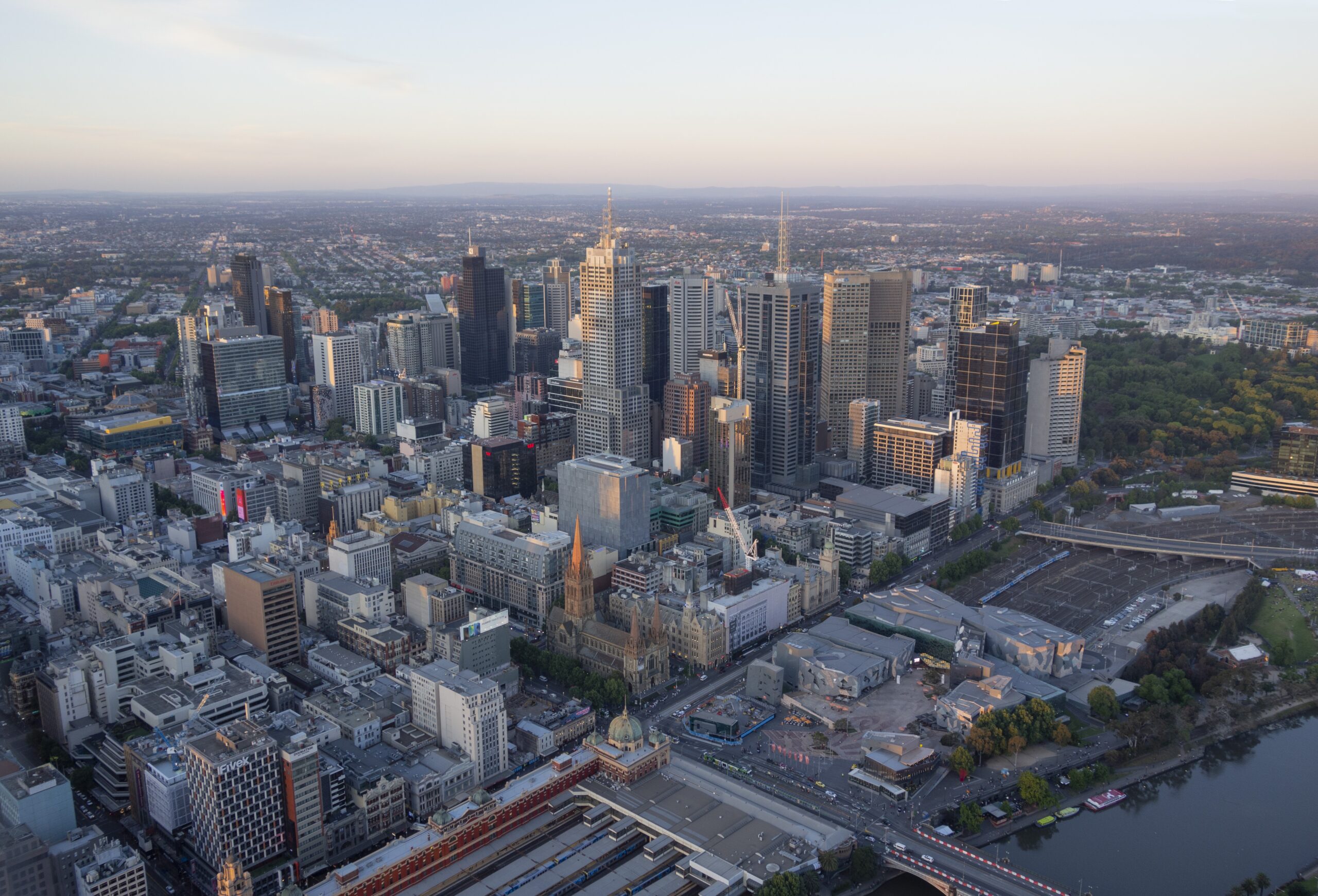
An electrifying issue
In a world where extreme weather events are on the rise and more pressure is being put on the electricity grid, renters and apartment dwellers are among the groups commonly being left behind in the electrification process.
-
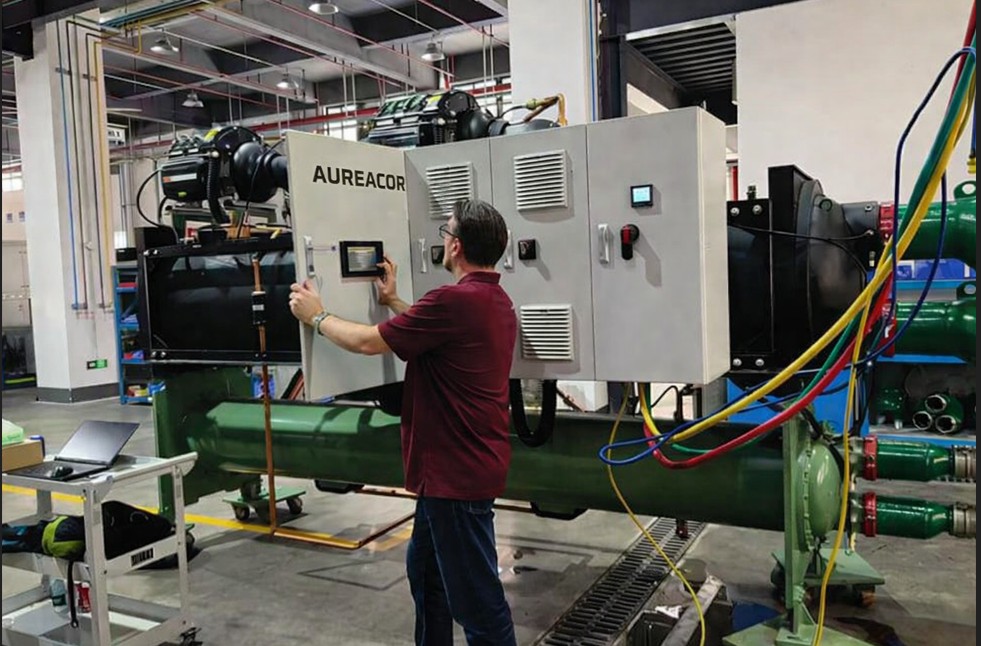
Engineering the oil-free future
Manfred Jarchow, M.AIRAH, Technical Business Development Manager, Aureacor, explains the rise of oil-free magnetic levitation in Australian chiller design, and how a strategic global partnership and a homegrown design authority are paving the path to strict NCC 2025 readiness and high-efficiency NABERS alignment.
-

Is the VFD hiding a dirty filter?
Adam Gill and Dr Wichai Pattanapol from Polar Dynamix explain the relationship between filter grime, energy demand and why VFDs may conceal the issues, illustrating their case with the results of a recent modelling study.
-

NSW lays down the rules for data centre developments
The NSW Government has released a framework and guidelines to put energy efficiency, water efficiency and community benefit priorities in place for new data centre developments.
-
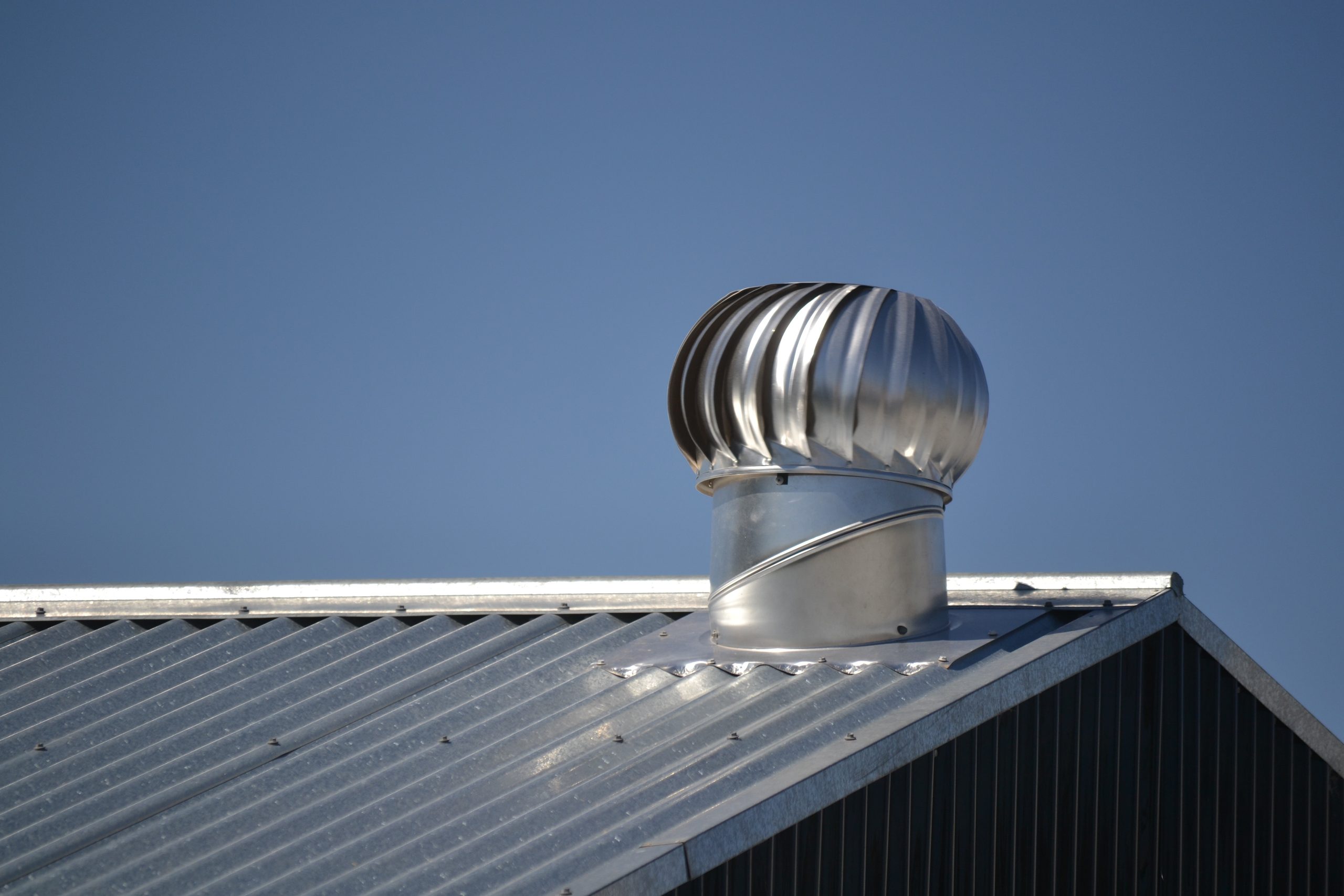
IAQ: If you don’t measure it, you can’t manage it
Public awareness of indoor air quality (IAQ) has been growing since the COVID pandemic brought it to the forefront of everyone’s mind. However, experts say much work still needs to be done.
-
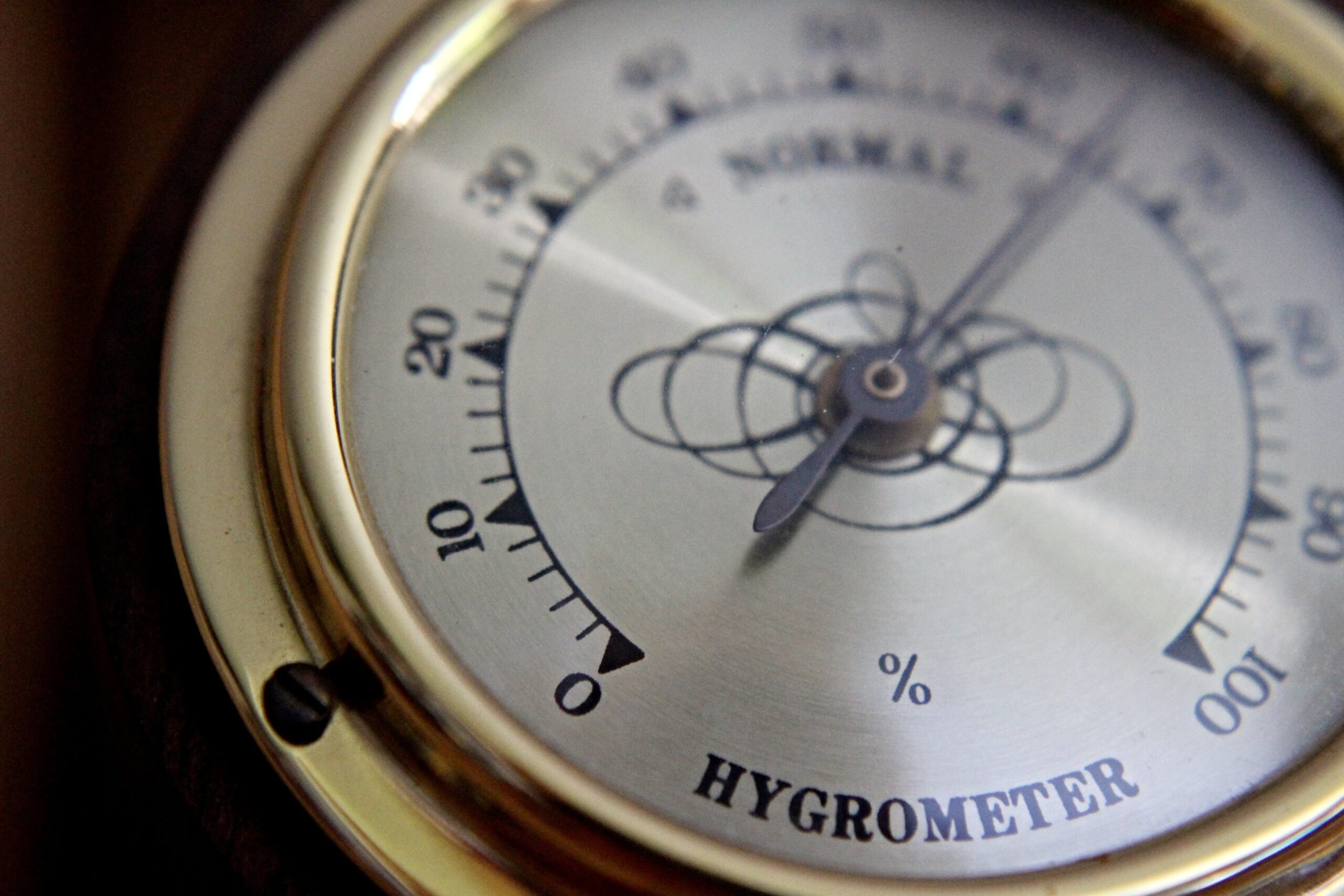
New metric for cooling degree days
As climate change shifts weather patterns around the world, researchers have recognised that new metrics may be needed to reflect cooling efficiency and better inform energy demand strategies.
-
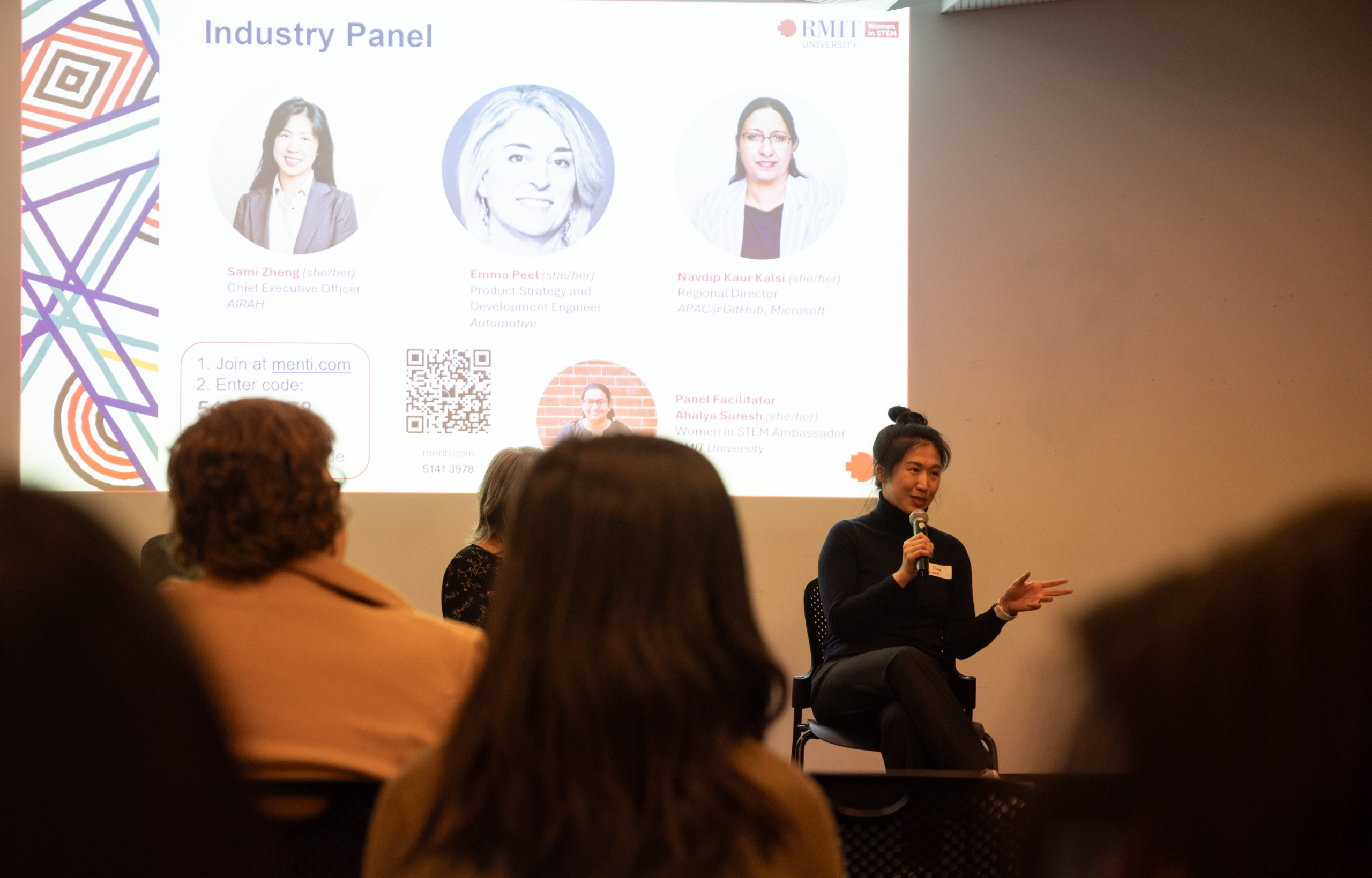
Finding a career with purpose
Reflecting on the recent Women in STEM VE Conference at RMIT during National Science Week.
-

Water-smart cooling
Global food security relies on water, and careful stewardship of the resource throughout the cold chain is becoming critical, according to experts speaking in a recent United Nations Environment Programme (UNEP) Cool Coalition webinar.
-

Heads up on hacker risks for HVAC
Cyber-physical systems (CPS) protection company, Claroty, has issued a warning about vulnerabilities for data centre HVAC systems.
-
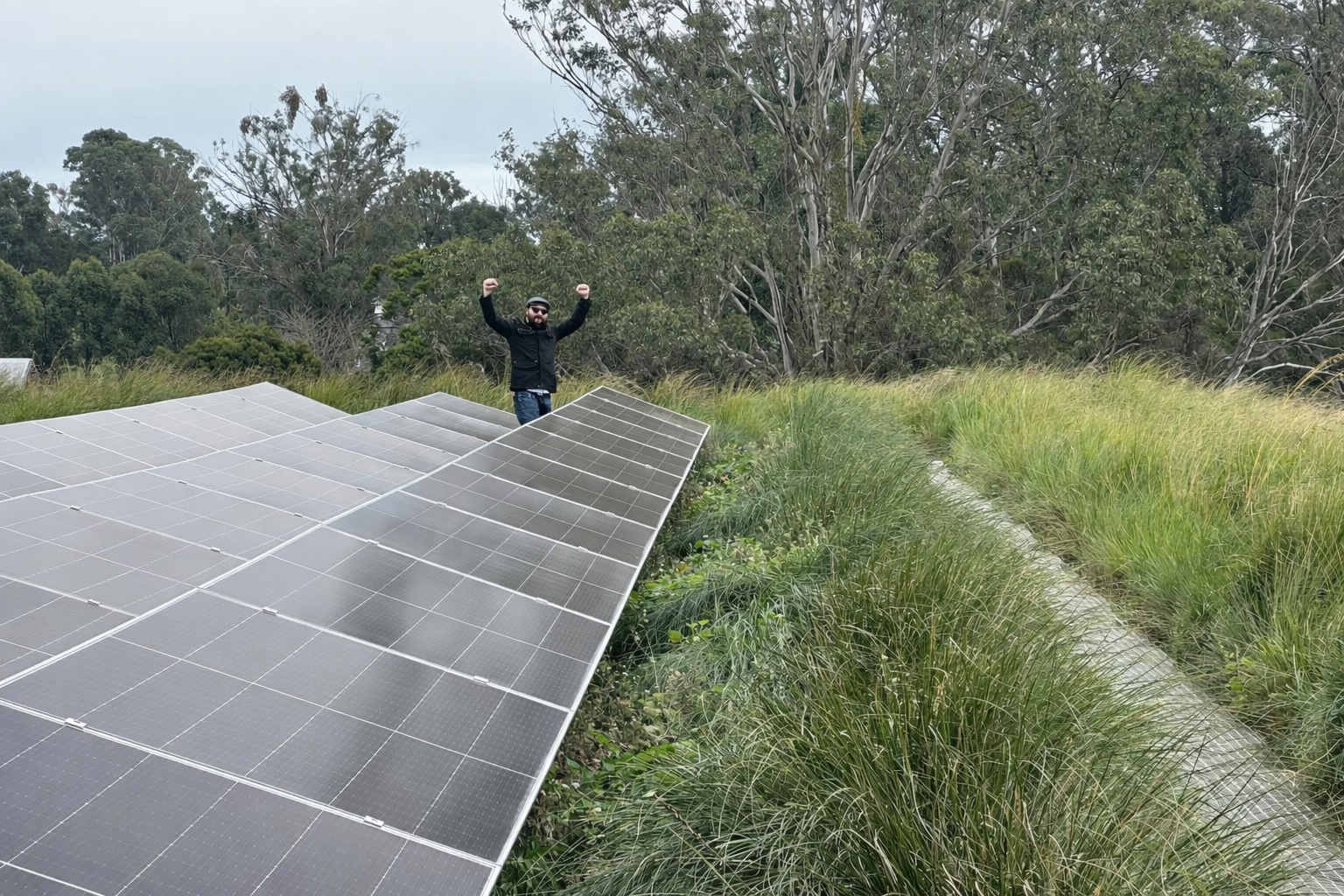
The proof is in for biosolar roof innovation
Research has demonstrated that the first substantial installation of a biosolar roof in Australia at Bradfield City in Sydney’s West delivers improved energy generation while supporting biodiversity.
-
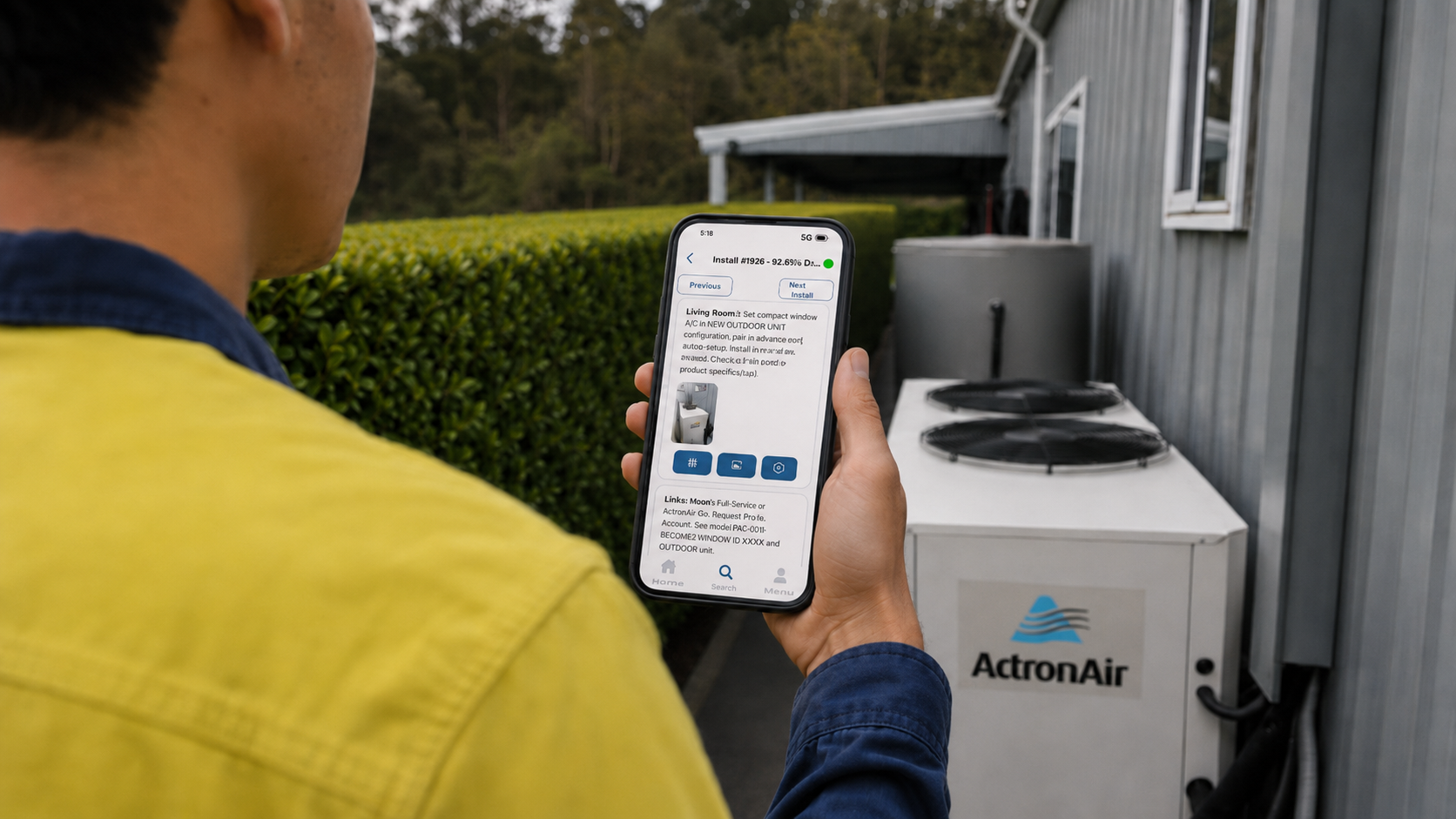
Rebate programs – too complicated or just what the customer ordered?
Government schemes that offer rebates for the purchase of energy efficient residential cooling and heating equipment might at first glance seem like a free kick for HVAC suppliers and installers. However, for some, concerns around potential paperwork and admin have been taking the sweetness out of the deal.
-
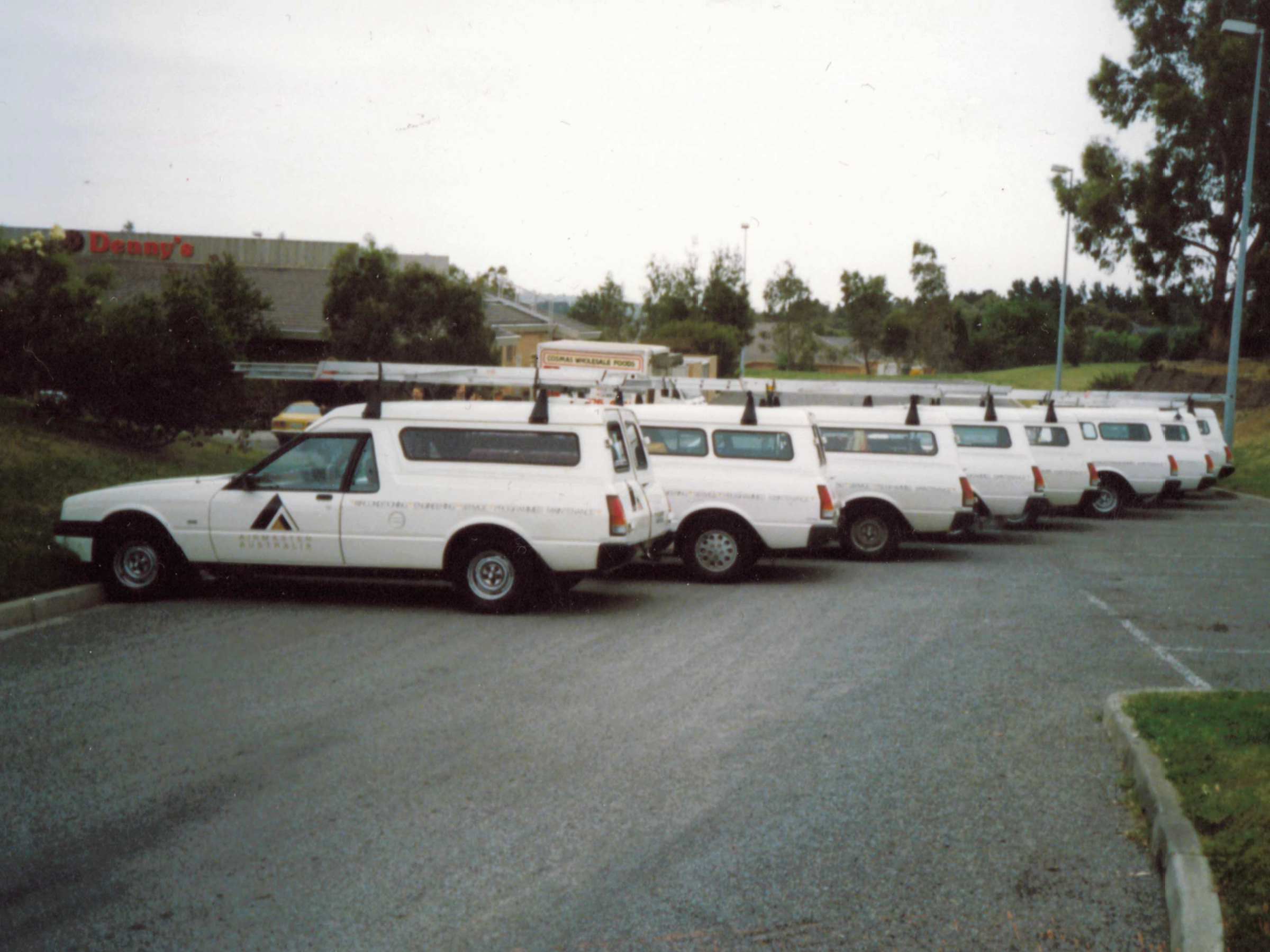
From panel van to boardroom – Noel Courtney’s awesome Airmaster adventure
It’s always a seismic shift when the founder of a business steps down from day-to-day operations. For Airmaster, the retirement of Noel Courtney, M.AIRAH, as CEO is part of yet another evolution of the company and its structure. It’s been quite a trajectory – a story of how three guys with panel vans went on to become one of Australia’s most innovative, award-winning HVAC&R service providers.
-
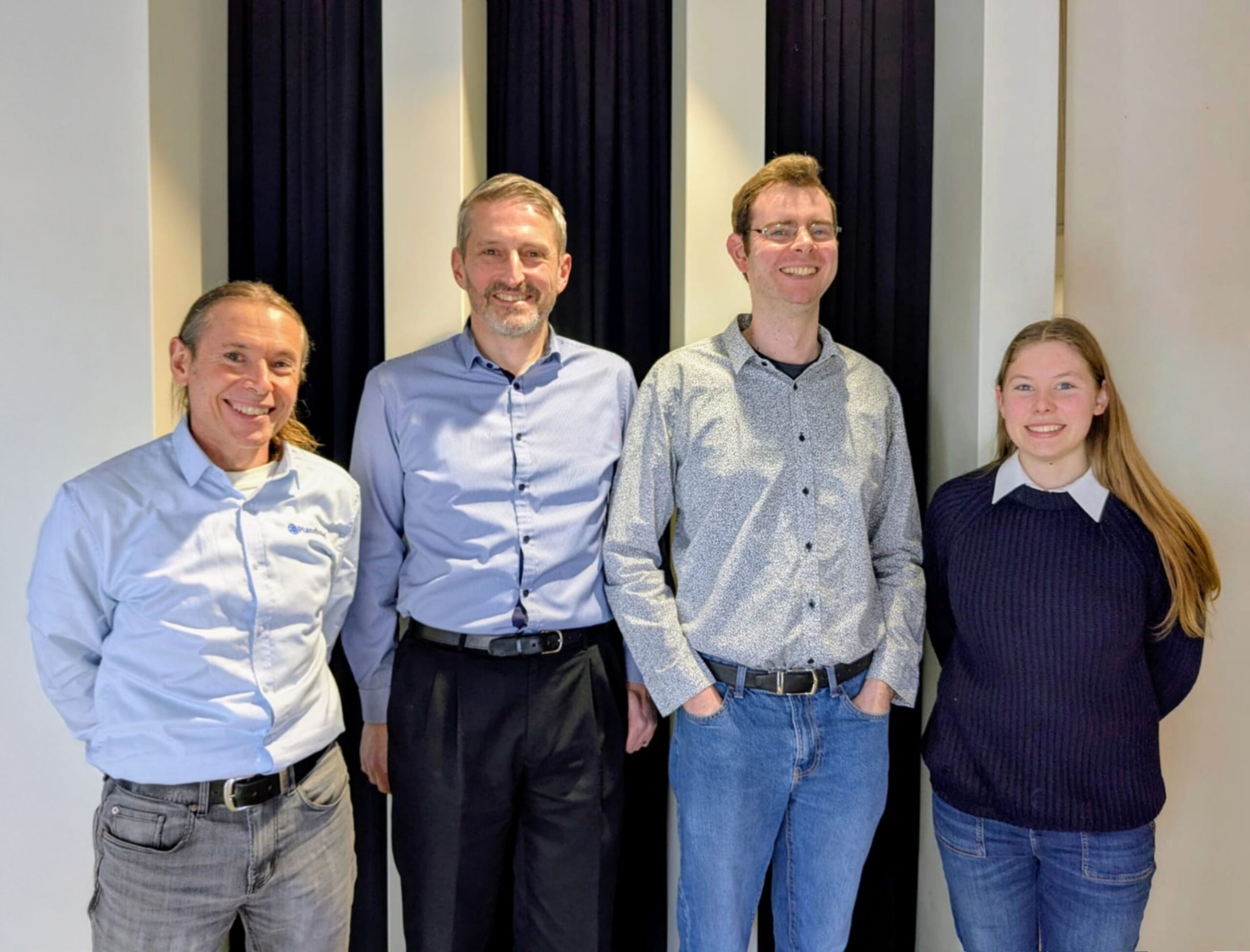
Why Plandroid’s newest update isn’t adding AI (yet)
When Mike Garrett first launched specialist HVAC&R digital design and takeoff platform, Plandroid 18 years ago, many people didn’t think it was possible to simplify the process for system design, procurement and installation.
-
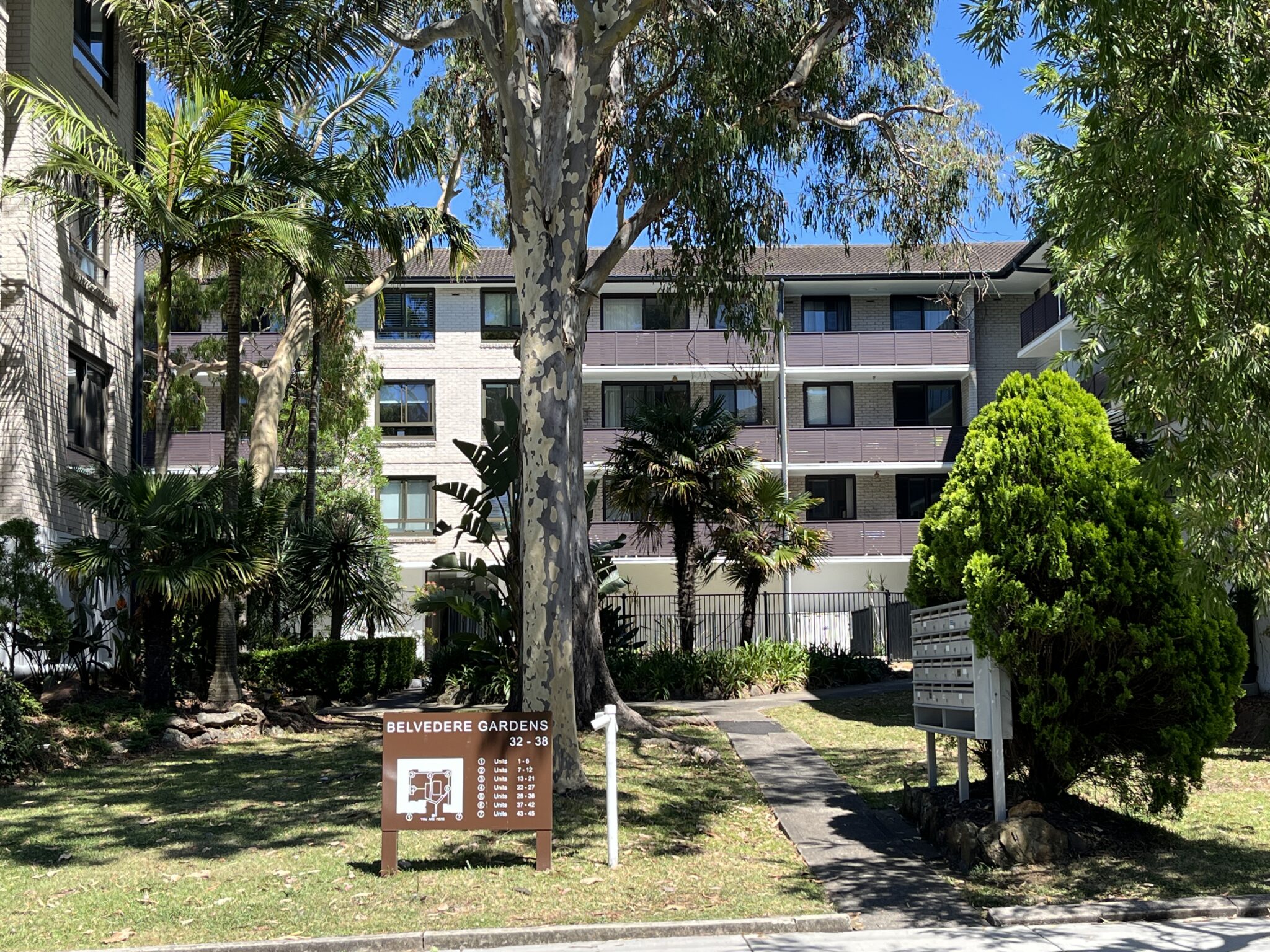
Sustainable House Day series: The challenge of shared sustainability
On Sunday, May 17, 2026, AIRAH’s Advocacy and Policy Manager, Mark Vender, headed to Belvedere Gardens in Randwick (Gadigal), NSW for Sustainable House Day.
-
Appropriate technology and the future of HVAC
What if the future we need doesn’t mean adding AI to common household equipment, but does need us to get smarter with cooling technology and energy management? The Scenarios for Future Living: Emerging technology innovation and development report examines how the promise of technology is likely to serve us in the coming decades.