 Laura Timberlake
Sustainable House Day series: Retrofitting the 70s
On Sunday, May 17, 2026, homeowners around Australia opened their doors to the public for Sustainable House Day. Some of the AIRAH team took the chance to have a peek at renovations, retrofits and new builds on display; each story will be showcased as part of a series on HVAC&R News.
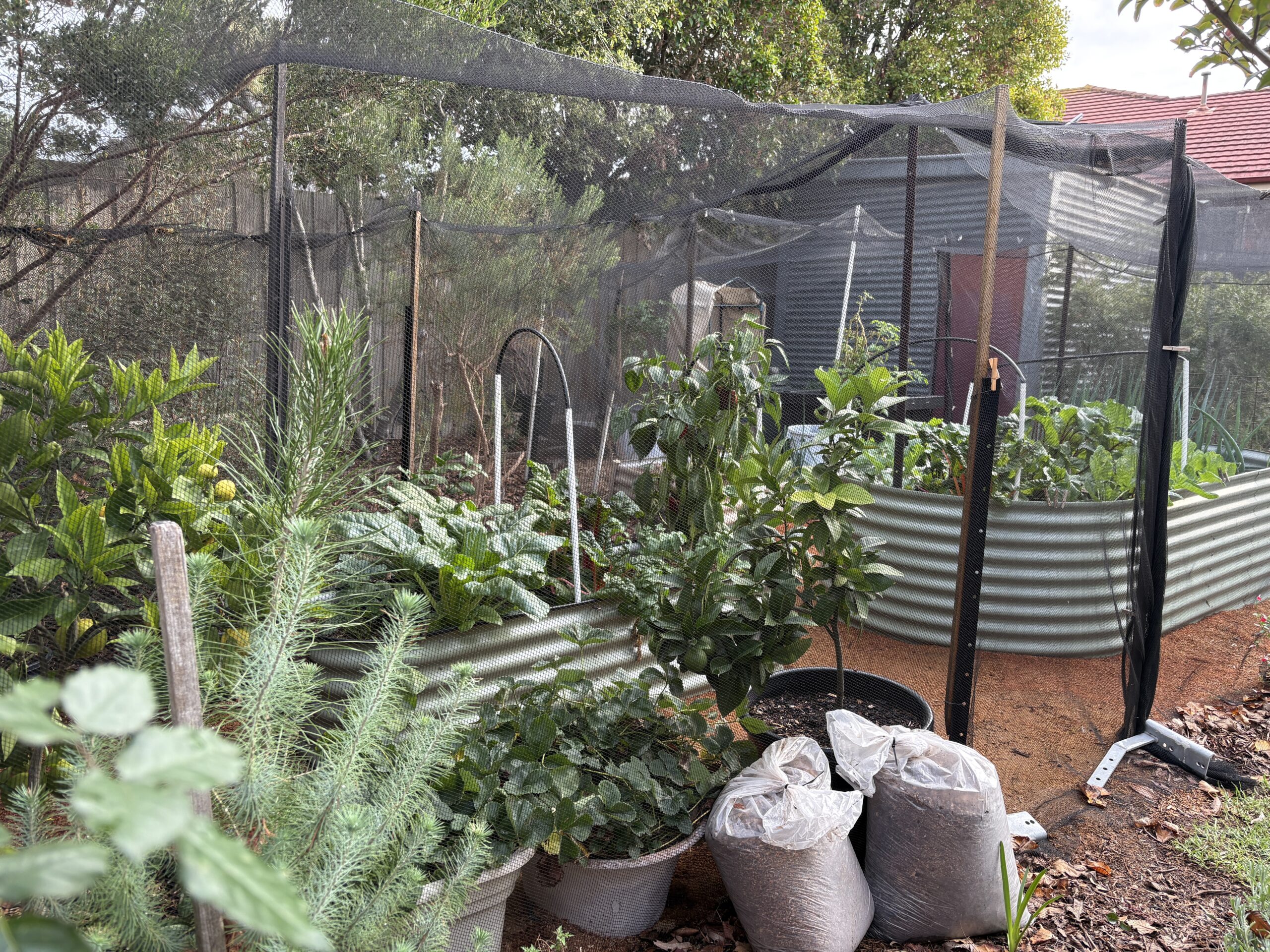
Sustainable House Day (SHD) is an annual event hosted by Renew, a non-profit organisation that advocates for transforming Australian homes for climate and energy resilience.
Local councils, community groups and homeowners get onboard, resulting in a showcase of sustainable homes and apartments in almost every state.
Content Coordinator Laura Timberlake headed to the “Drysdale 70’s retrofit” in Drysdale on the Bellarine Peninsula (Bella Wiyn), Victoria. The host, Jacky Noble, was very open about both the changes she’d made and the associated costs.
The two-bedroom, all-electric, detached home features a Sanden Eco heat-pump hot water system, 13 kW of rooftop solar and a Powerwall 3 battery, an induction cooktop, LED lighting and efficient appliances.
Jacky originally hailed from Mt Macedon area, moving to Merrijig and living completely off-grid, so moving to a smaller property in a town came as a shock.
“It’s very different,” she says. “I’m used to rural. But as age crept up and distance from services became more challenging, I chose – before others chose for me – to sell my fully self-sufficient rural home and travel around Australia looking for somewhere new.”
When she first moved into her home, she had to make a lot of changes.
“From the street it still looks like a typical 1970s house,” she says. “Inside it is now a quiet, comfortable and entirely electric home.”
“It was draughty, it was cold, there was no insulation in the ceiling. I hired a thermal imaging camera from my local library to find the heat loss areas.”
She also had an energy assessment arranged via Geelong Sustainability.
She went on to implement multiple strategies – some small, some slightly larger and more expensive – to improve the thermal and energy efficiency within her home.
One of the first steps was to remove gas completely, and Jacky installed a Sanden Eco heat-pump hot water system.
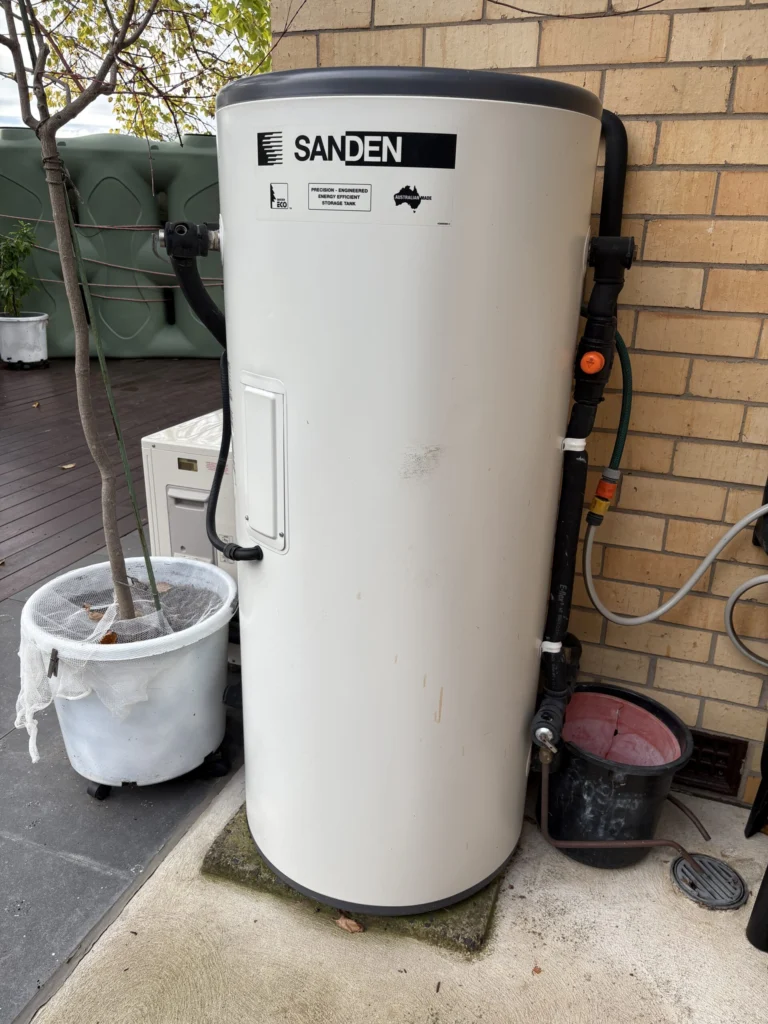
“The heat pump is much cheaper to run than gas,” she says. “I paid a little bit more for a top quality one.”
She also installed an acoustic and thermal seal on her front door and double-glazed glass in the two window panels beside her front door.
“That wasn’t cheap – the windows cost $2,000,” she says.
Additional insulation was blown into the walls, installed under the floor and the ceiling was covered with R5 batts after replacing heat-producing halogen ceiling lights with LED downlights.
One of her thermal sticking points has been the kitchen and dining area. She found the north-facing room was freezing in winter and overheated in summer.
After first installing a thermally-broken double-glazed door, she added additional seals around the door and windows herself. She also added foam to seal under the cupboards. Since then, the room has been much more comfortable.
She also went around her home filling small gaps with foam rods to reduce air loss.
Another inventive solution has been to install drapes and transparent PVC (Polyvinyl Chloride) “invisible pelmets”.
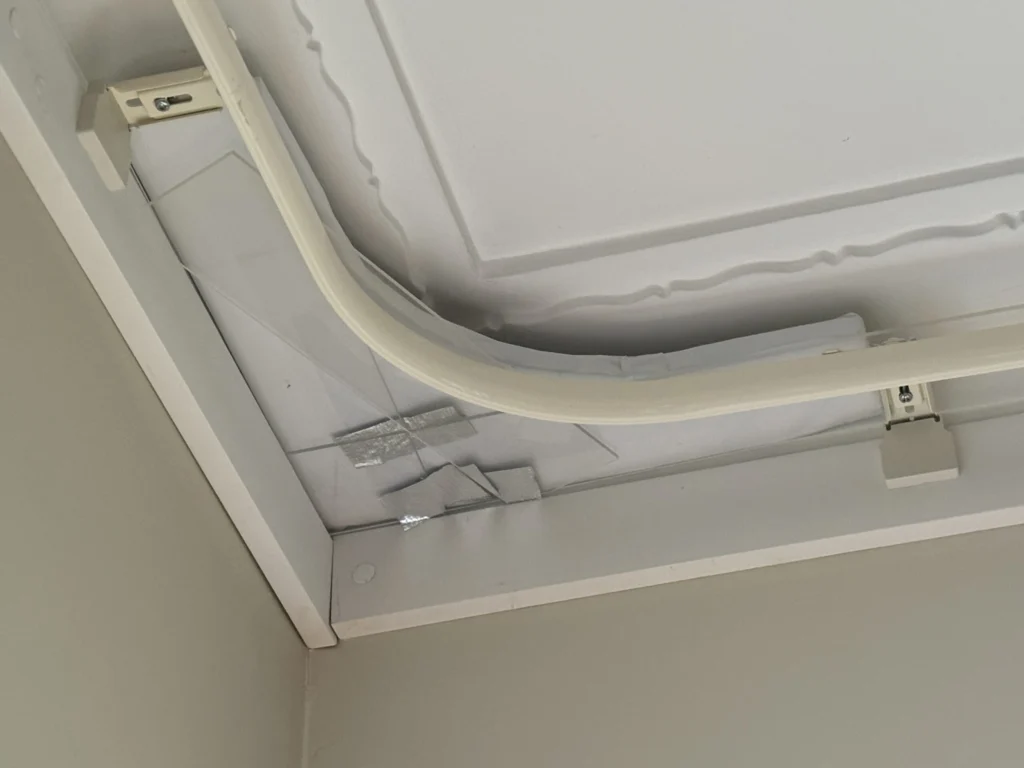
“The pelmets interrupt the airflow from circulating behind your curtains and into the room, which causes a draught,” she explains.
When Jacky first moved into the house, it had a 5.3 kW solar system. She upgraded the solar panels to a 13 kW system and had a Powerwall 3 battery installed. The upgrade cost about $15,000 and took four electricians a full day to install.
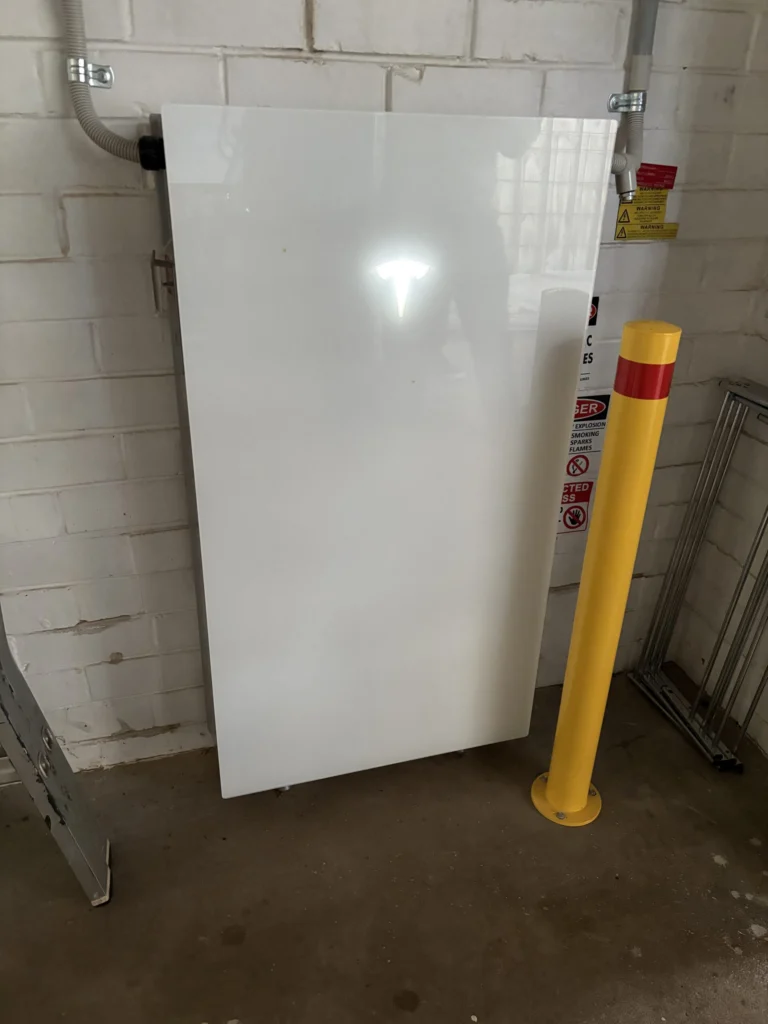
She says the system can run the home for up to a week during outages, and she can survive using only the battery power over winter.
Jacky also makes daily use of a medium-sized air purifier to improve indoor air quality.
“It has three levels of filters in it and can purify the whole house,” she says. “The HEPA Ultra filtration system removes all of the tiny particles that can get right down into your lungs.”
Overall, she’s pleased with how she’s improved her home.
“It may not be the passive house I originally planned – but it comes surprisingly close in spirit.”
Photos: original images by Laura Timberlake
PREV
NEXT
Comments
Advertisements

Recent news
- Seeing all-electric stars in the NABERS Annual Report
- City Facilities Management secures decade-long Coles deal
- Delivering energy wins through cooling innovation
Latest events
- Adam Morgan shines in Shanghai
- IOR opens nominations for J&E Hall Gold Medal
- Nominations open for IIR scientific prizes
Leave a Reply