 Laura Timberlake
Sustainable House Day series: The challenge of shared sustainability
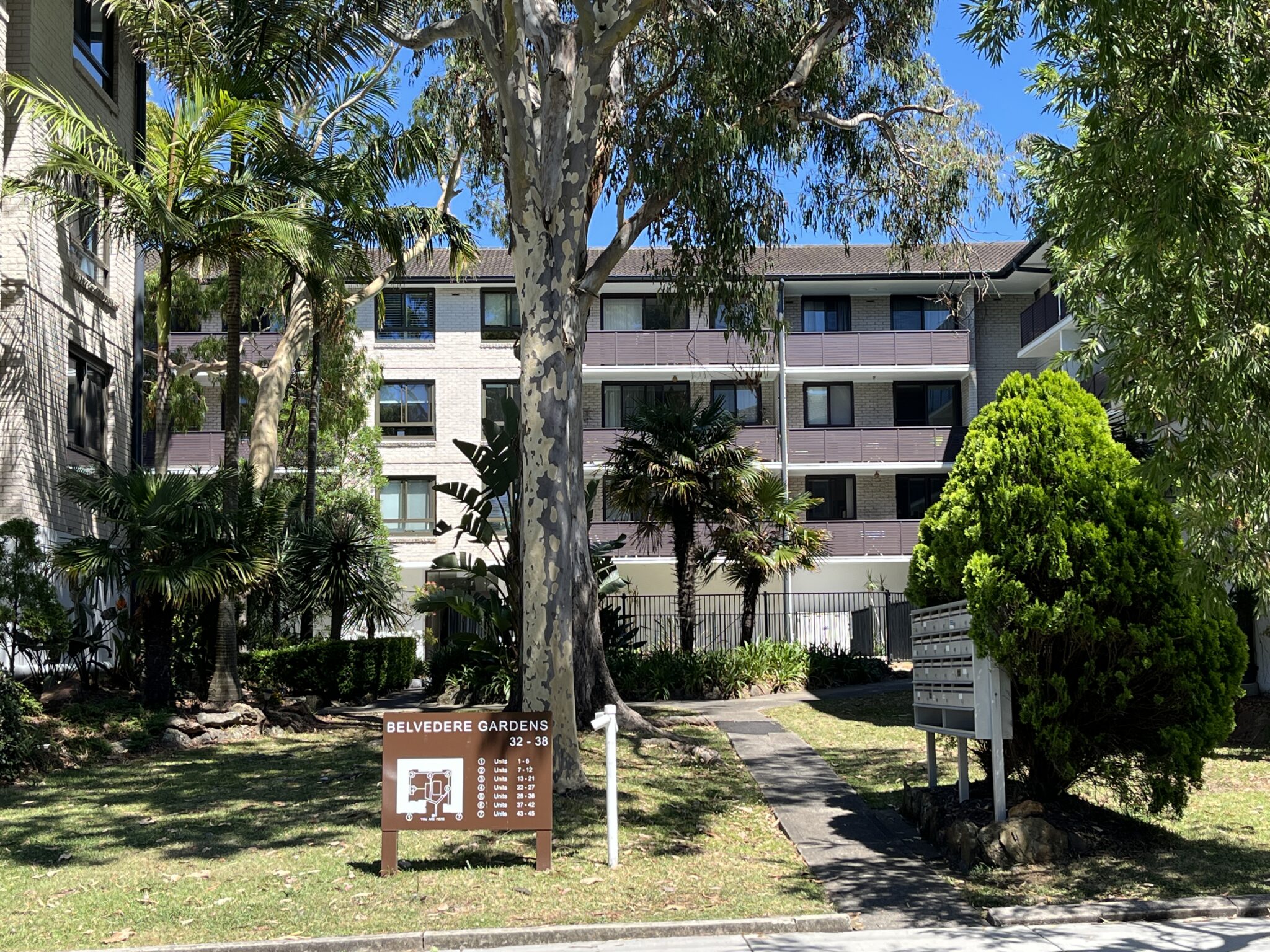
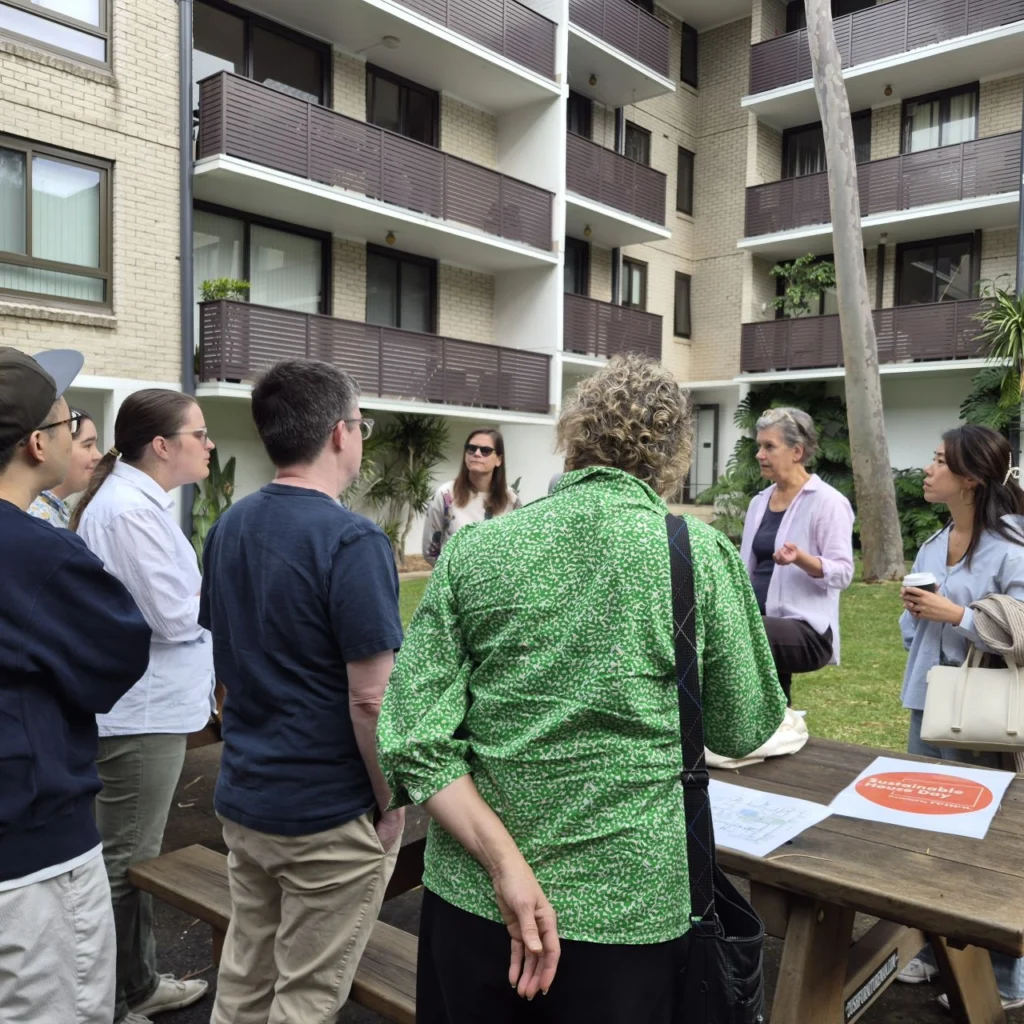
On Sunday, May 17, 2026, AIRAH’s Advocacy and Policy Manager, Mark Vender, headed to Belvedere Gardens in Randwick (Gadigal), NSW for Sustainable House Day.
Sustainable House Day (SHD) is a chance to visit the renovations, retrofits and new builds that showcase best practices for energy efficiency, health, comfort and climate adaptation. The AIRAH staff took the chance to visit some of these homes, and this story is a part of a series covering each home or building.
The 1970s apartment building that Mark visited has been transformed into a block that demonstrates how older buildings can lead the way in responsible, future-focused living; thanks to careful planning and a shared commitment to sustainability from the Owners Corporation.
“My SHD experience didn’t involve walking through anyone’s lounge room, kitchen or bedroom,” says Mark.
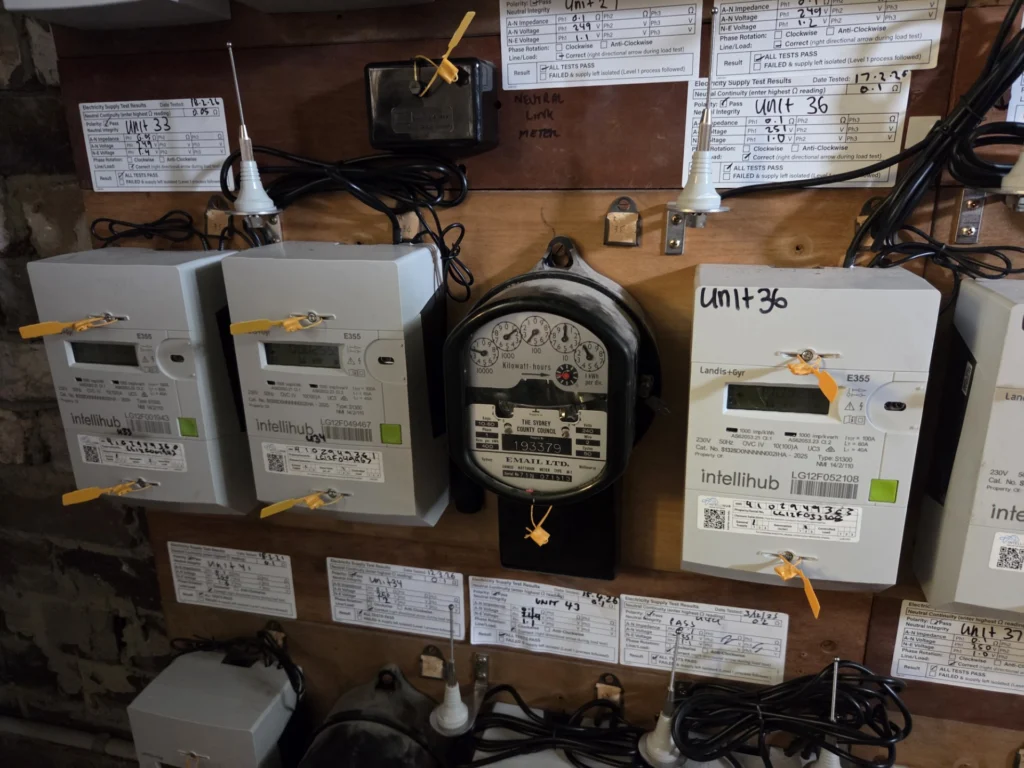
“Instead, in the Sydney suburb of Randwick, we were taken on a tour of musty storage rooms filled with batteries, switchboards and meters.
“In a way, this was even more interesting, because it addressed one of the big challenges facing our goal of retrofitting buildings on the path to net zero: what do you do when you don’t live in a single dwelling, but a strata property?
“If you’ve ever owned an apartment or been part of an Owners Corporation you will understand the complexity here. Building works must be agreed between all owners, who may have different priorities, budgets and levels of interest. Generally, it’s issues relating to legal compliance and aesthetics that get the attention. Installing shared batteries, energy meters and double-glazed windows … not so much.”
Mark says this is where strata sustainability champion Tonja Gibson comes in. As owner of one of the 45 apartments in this building constructed in the early 1970s, and as host of the SHD tour, she related some of the initiatives she has helped drive, and the challenges she has had to overcome.
One of the first difficulties was knowing what the building needed in terms of PV and battery storage. They metered the power the building used – in itself quite an exercise – before settling on a solar array of around 100kW. This was paired with a battery storage system comprising four batteries, and four units that allocate solar power across the apartments to ensure all residents get their fair share rather than it all going to the first people to turn appliances on when the sun goes down.
The meters were an unexpected but significant pain point. In NSW, individual energy retailers install smart meters. In an apartment building, coordinating access between retailers, and making changes when there is shared wiring, can be a nightmare.
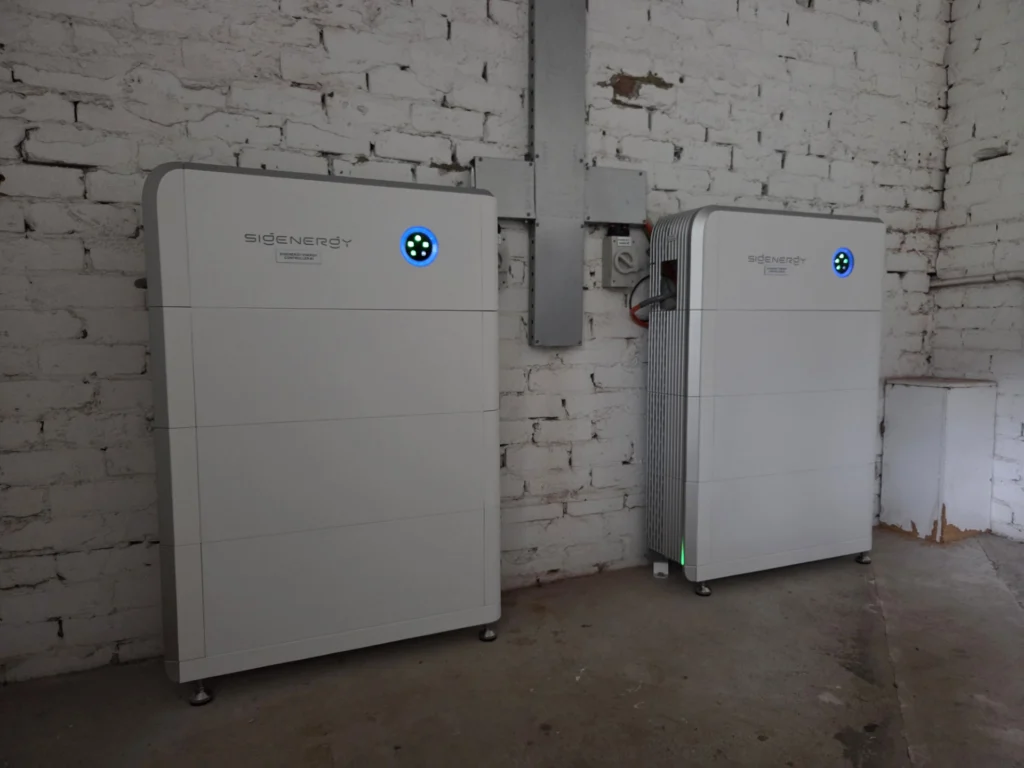
But the upgrades have had a major impact. According to Tonja, her power bill has halved. And the building itself is more sustainable.
Other upgrades have included building-wide replacement of all original windows with modern, thermally efficient double glazing to improve comfort and reduce energy use, and facade and remediation upgrades that have improved the building’s longevity and performance.
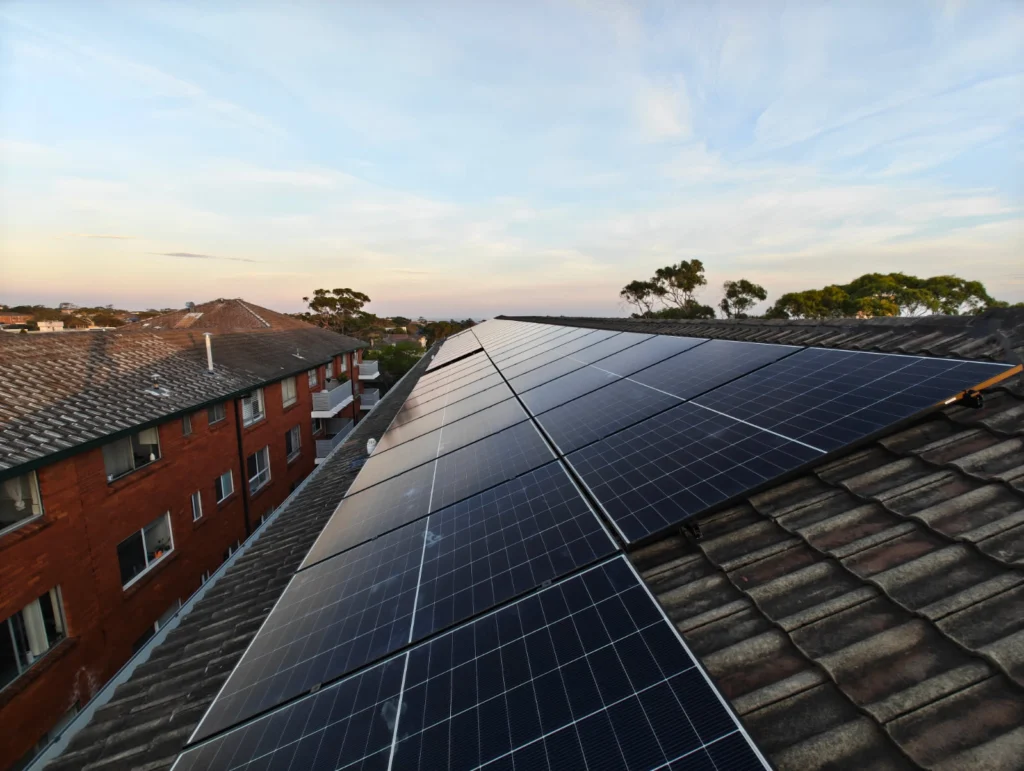
The works were supported by various government programs. The residents successfully applied to the Solar for Apartment Residents grant and the Home Owner Battery Rebate. Before this, they also received a small Randwick Council grant for a solar feasibility report.
“Through all the upgrades, Tonja has had to bring other residents along on the journey,” says Mark.
“She acknowledges the challenge; many people buy an apartment without thinking of the building it belongs to.
“Interestingly, she says that it was an initiative about sorting the building’s rubbish better that kickstarted engagement. Tonja says waste is a great place to begin the long and sometimes gruelling journey – starting with the small things builds trust.”
Now the owners are developing a Sustainability Master Plan to guide future works and unlock the full potential of our building. And Tonja is starting a master planning course for owners corporations and interested owners. She hopes that bringing together other buildings will make the planning journey smoother for everyone.
PREV
NEXT
Comments
-
Beautiful installation done by SOLAI with the use of a World First Electrical Appliance, the Solshare, Australian designed and made in Victoria by Allume.
-
Great article. While being the largest, this is just one of many excellent SolShare installs performed by Solai Energy Solutions (info@solai.au) across the wider Sydney region. A project of this scale required not just a high level of expertise, but unwavering and meticulous attention to detail throughout. It’s rare to find a company which embodies all those qualities and, as such, come highly recommended for all solar and battery projects from single homes to large strata complexes.
Advertisements
Recent news
- Seeing all-electric stars in the NABERS Annual Report
- City Facilities Management secures decade-long Coles deal
- Delivering energy wins through cooling innovation
Latest events
- Adam Morgan shines in Shanghai
- IOR opens nominations for J&E Hall Gold Medal
- Nominations open for IIR scientific prizes
Leave a Reply