 Sami Zheng, Affil.AIRAH
Opening the national policy reform window for indoor air quality
Stakeholders gathering in Canberra for Safer Shared Air 2026 were unanimous – indoor air quality (IAQ) is more than a building performance issue; it is a matter of public health, workplace safety and economic productivity.
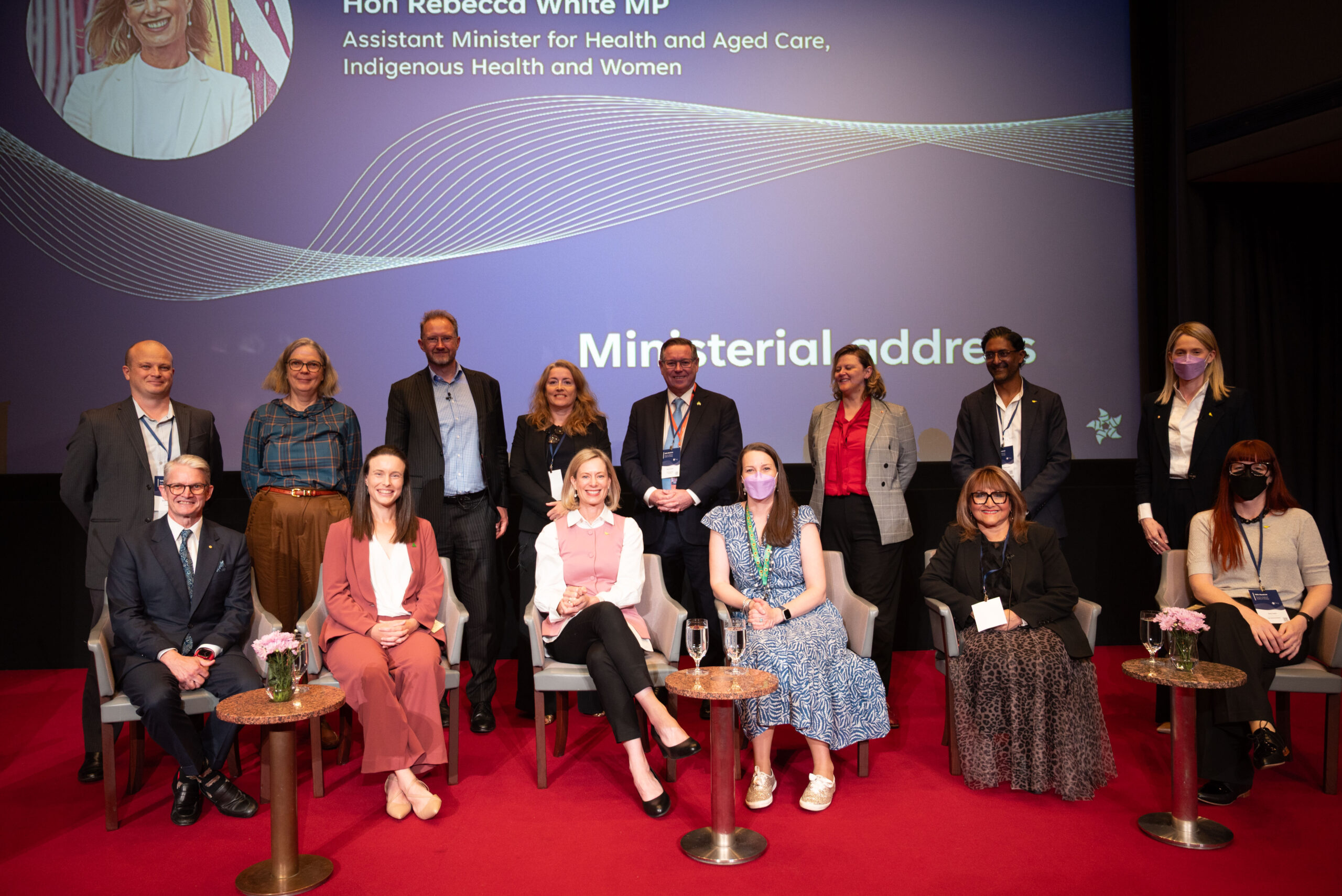
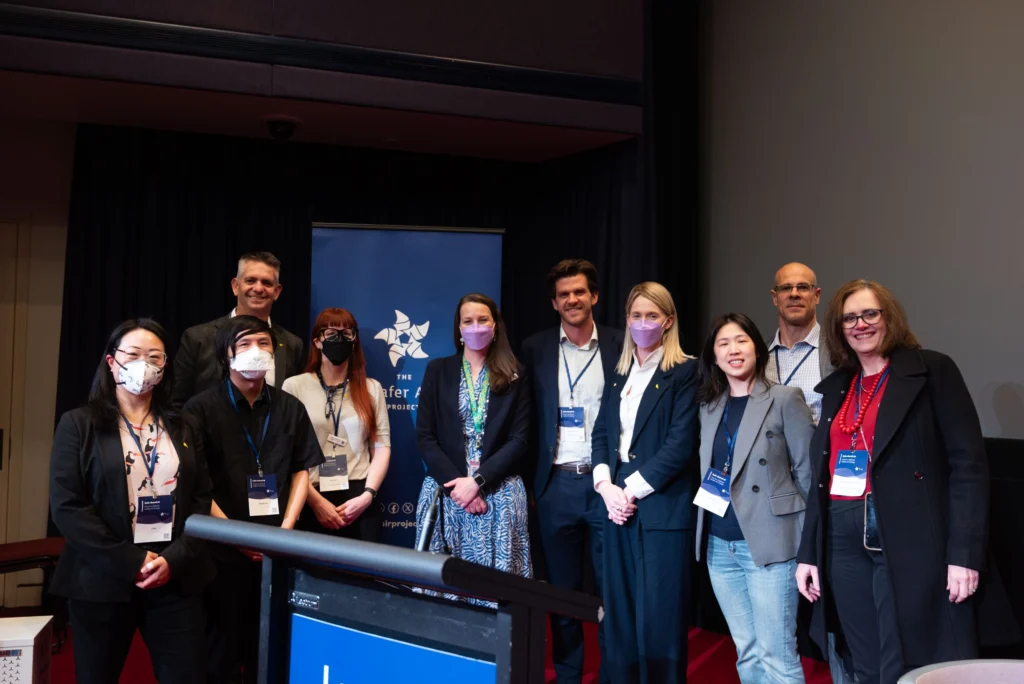
This was the central message of Safer Shared Air: Indoor air, health and productivity, held at Parliament House, Canberra, on 28 October 2026. This was the third annual Safer Air Project event, and it brought together representatives from government, health, workplace safety, research and the built environment to examine the growing case for improving indoor air quality across Australia.
Beyond theory and policy, the conference also brought lived experience into the room, with voices from patient and community organisations.
Speakers included Distinguished professor Lidia Morawska, THRIVE at QUT; Associate Professor Rebecca Haddock, Director of Public Affairs and Policy for Asthma Australia; Mark Brooke, CEO of Lung Foundation Australia; Professor Fay Johnston, Centre for Safe Air; Professor Brendan Crabb AC, Director and CEO of the Burnett Institute; Brett Fairweather, F.AIRAH, Director of It’s Engineered; Dr Bronwyn King, co-founder of Air Club; Alison Scotland, CEO of ASBEC; Magali Wardle, Head of Market Development, NABERS; and Plum Stone, CEO of the Safer Air Project.
See the full program and all speakers here.
Three major themes emerge from discussions
From building performance to public health
The discussion highlighted the broader health and economic consequences of poor indoor air, including its relationship with chronic illness, workplace participation and productivity. This signals an important shift: IAQ is no longer solely a technical consideration for building designers and operators, but an issue with wider public policy implications.
From awareness to policy and regulation
The program explored Australia’s emerging responses, including the NSW parliamentary inquiry into IAQ, Safe Work Australia’s work on biological hazards and research-led pathways to cleaner indoor air.
For our industry, the challenge will be translating policy ambitions into practical requirements that can be designed, measured, commissioned, operated and maintained.
A call for national coordination
The final session brought together representatives from the Centre for Safe Air, Air Club, Heart Foundation, ASBEC and NABERS. Discussions on national strategies, international leadership and the need for standards culminated in a call for a National Indoor Air Quality Strategy, supported by a proposed joint pre-budget initiative.
For AIRAH members, this is an important opportunity to contribute technical expertise to an emerging national agenda. Ventilation, filtration, HVAC&R system performance, monitoring, commissioning and maintenance will all be essential to delivering healthier indoor environments.
The conversation is moving beyond why indoor air matters towards how Australia can deliver a nationally consistent and technically credible approach. Our industry needs to be part of shaping that answer.
PREV
NEXT
Comments
Advertisements
Recent news
- Opening the national policy reform window for indoor air quality
- New tech: Oil-free compressor
- WA sets high bar for renewable energy target
Latest events
- Opening the national policy reform window for indoor air quality
- South Australia’s HVAC&R Stars
- Making ripples, tending waves
Leave a Reply