 Laura Timberlake
How secure is your pop culture password?
Ongoing reports of cyberattacks on HVAC&R equipment controllers have been a timely reminder that basic system security often starts with a strong password – however, a new report reveals many of us are still terribly predictable in our choices.
For the past eight years, password manager NordPass has been tracking people’s password habits and releasing an annual report of its findings.
The latest report, Top 200 Most Common Passwords, draws on password data that was exposed in data breaches and dark web repositories from September 2025 to September 2026.
In addition to identifying the most popular passwords globally and individually in 44 countries, this year’s research explored how pop culture including bands, movies, video games, memes, and sports heroes has shaped password choices across different generations.
Globally, the top three most common passwords include variations of the words “admin”, “password” and “qwerty”; along with number sequences like “12345”.
Closer to home, Australia’s top twenty list includes:
- 123456
- admin
- password
- 12345678
- Password
- 1234
- Password1
- 123456789
- 00000000
- Asd12345
- qwerty123
- 12345678910
- 12345
- Admin1234!
- powerful01
- abc123
- choco123
- Qwerty123
- 111111
- qwer1234.
“123456” remains the most common global password. NordPass says just recently an attacker broke into Denmark’s Central Person Register (CPR) using the password “123456”, exposing the personal data of roughly 8.8 million people and proving how dangerous this password is.
Password lore
The report also examines how pop culture has played a role in password choices over the years.
Head of product at NordPass and its parent organisation Nord Security, Karolis Arbaciauskas, says passwords are rarely random.
“When people need something they’ll remember, they fall back on what they already know well – a game they spent hundreds of hours playing, a musician they loved, an athlete they admired, a show they watched to the very end,” says Arbaciauskas.
“As a result, the cultural moments that once dominated public attention leave a lasting trace in the passwords people create.”
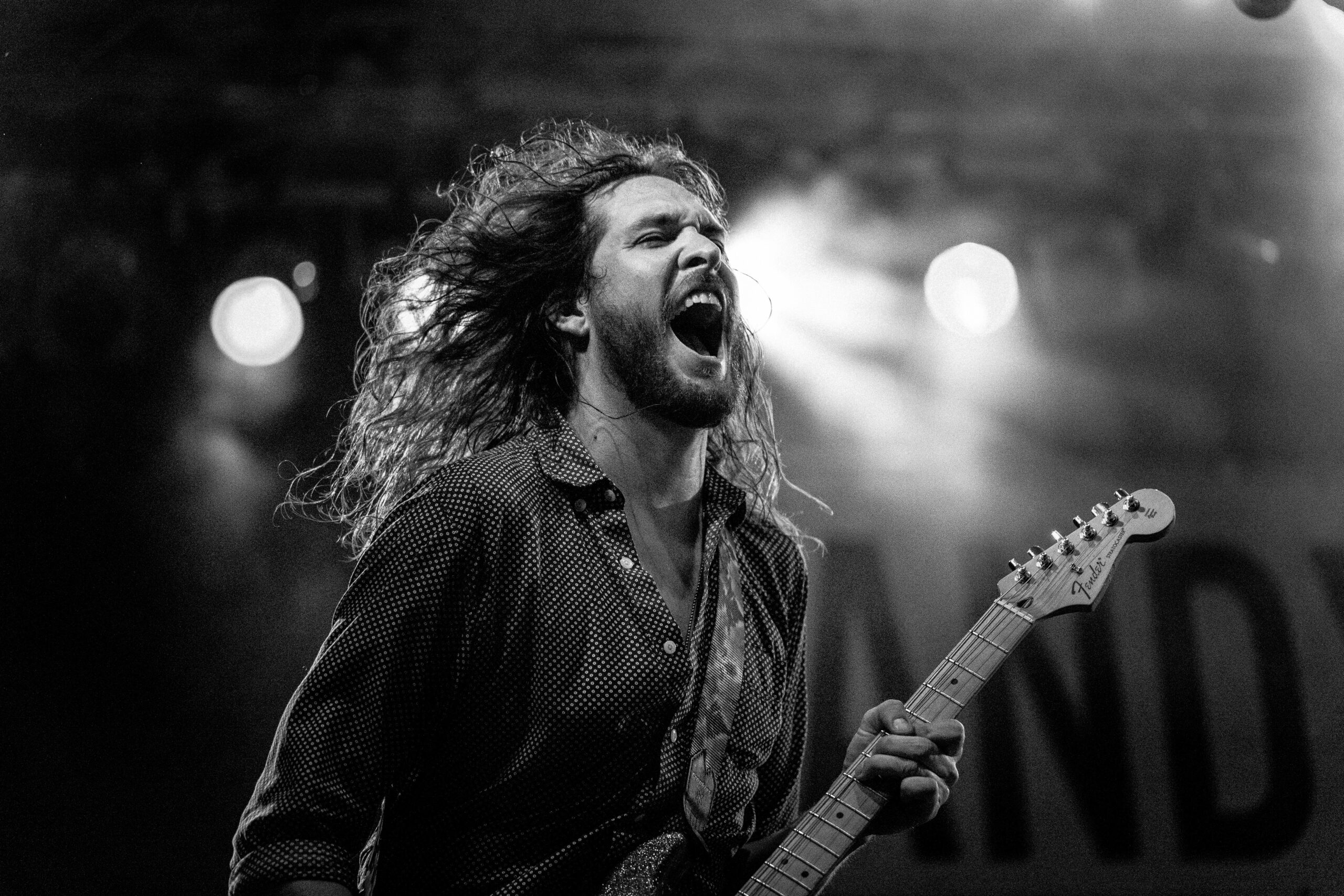
Trends have veered from rock and metal or movie classic passwords in the 1990s such as “metallica” or “Rambo017”; to anime, gaming and music during the 2000s like “Narutofoda2” and “eminem2004”. In the 2010s, social media-related passwords emerged like “insta123”.
NordPass says the 2020s have been a snapshot of internet culture almost in real time. Passwords like “skibiditoilet”, “squidgamethebest”, and “roblox.com1” have reflected viral trends, while pandemic-inspired passwords like “Covid@19” and “corona2020” mark a darker chapter.
However, the researchers note that passwords inspired by pop culture and media don’t necessarily coincide with the decades they reference – for instance, the password “metallica” created in 2024 may belong to a lifelong fan.
Some of NordPass’ earlier research has also shown that many adults are still using passwords they created in their teen years or even earlier.
Improved digital hygiene
NordPass recommends a few basic rules to help increase password security.
- Create strong random passwords or passphrases – Passwords should be at least 14 characters long and consist of a random combination of numbers, letters, and special characters.
- Never reuse passwords – The rule of thumb is that each account should have a unique password because if one account gets broken into, hackers can use the same credentials for other accounts.
- Review your passwords – Make sure to regularly check the health of your passwords. Identify any weak, old, or reused ones and upgrade them to new, complex passwords for a safer online experience.
- Use a password manager – It can help you generate, store, review, and safely manage all your passwords, ensuring they’re well protected, difficult to crack, and easily available when you need them.
- Turn on multi-factor authentication (MFA) – It adds an extra layer of security. MFA helps keep hackers out even if a password gets breached.
The full report is available to read here.
Feature image courtesy of Sepp from Pixabay.
PREV
NEXT
Comments
Advertisements

Recent news
- How secure is your pop culture password?
- International recognition for climate-resilient buildings
- A solid alternative to vapour compression
Latest events
- International recognition for climate-resilient buildings
- Electrification centre stage at COP31
- An international tribute to the late Pat McInerney
Leave a Reply