 Laura Timberlake
A hidden health risk
A new report by Australian medical experts reveals why transitioning away from gas needs to be a public health priority.
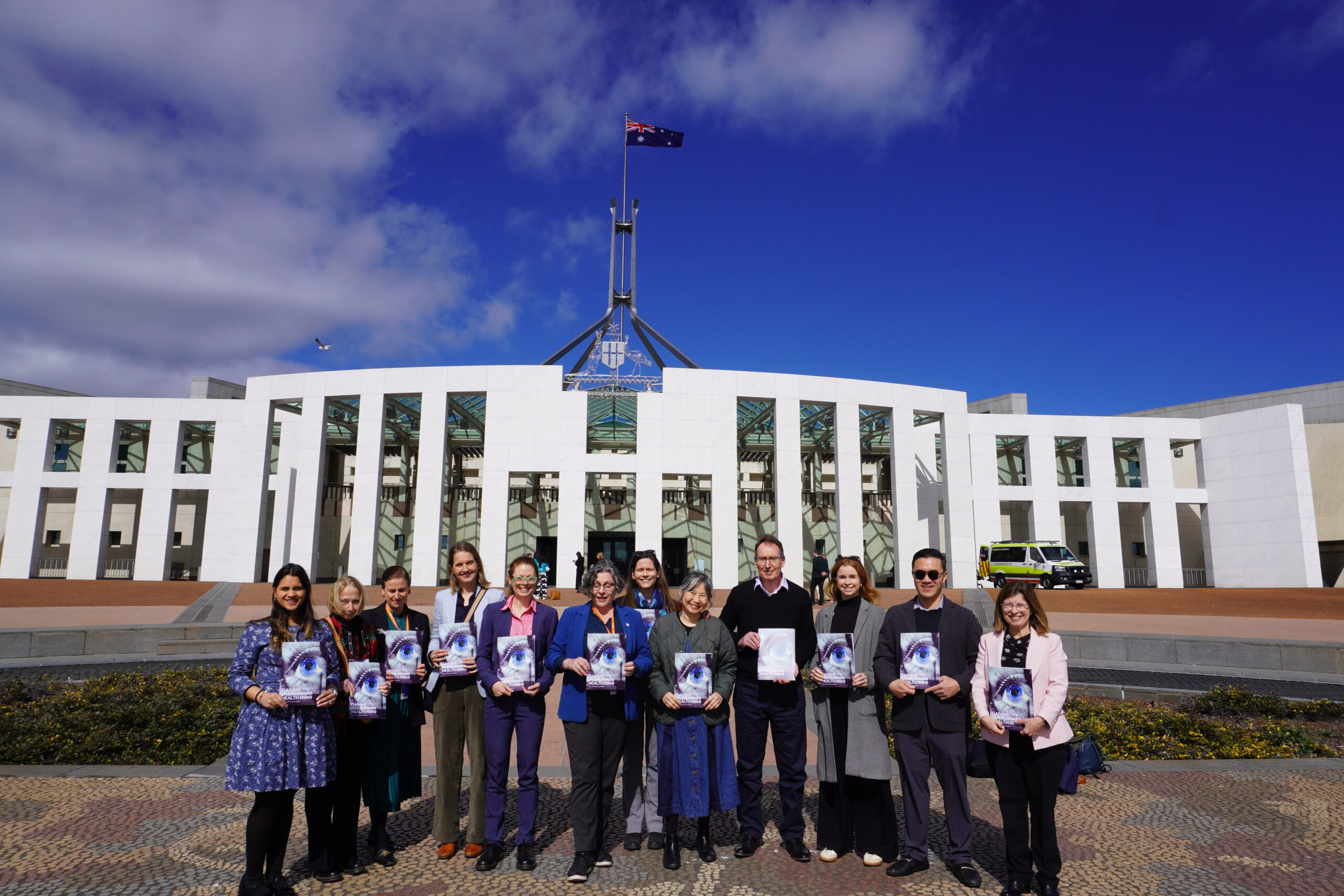
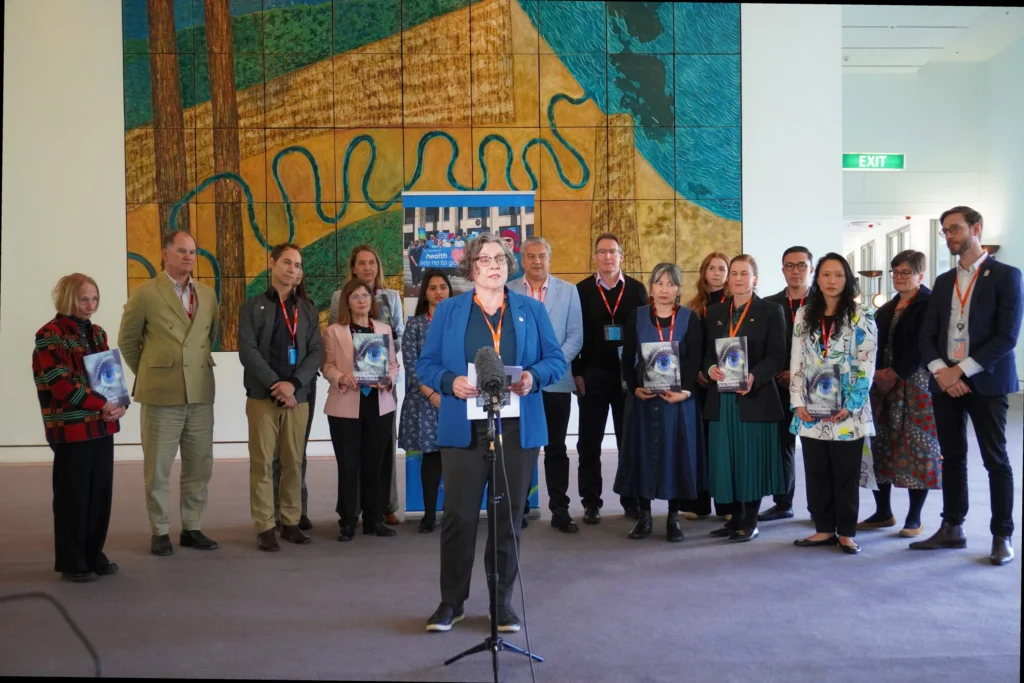
Medical organisation Doctors for the Environment Australia (DEA) recently took the public health risks of gas to the heart of government, launching the Gas and its overlooked health risks report in Canberra.
The report brings together the latest national and international evidence of the health harms associated with gas across its lifecycle – from extraction, through to its use in homes and workplaces, and its role in accelerating climate change.
The gas used for domestic and commercial purposes is mainly comprised of methane (CH4), a powerful greenhouse gas that is over 80 times more potent at trapping heat than carbon dioxide over the first 20 years after it reaches the atmosphere. Methane is released in the form known as “fugitive emissions” throughout the gas supply chain, including extraction, transport and distribution.
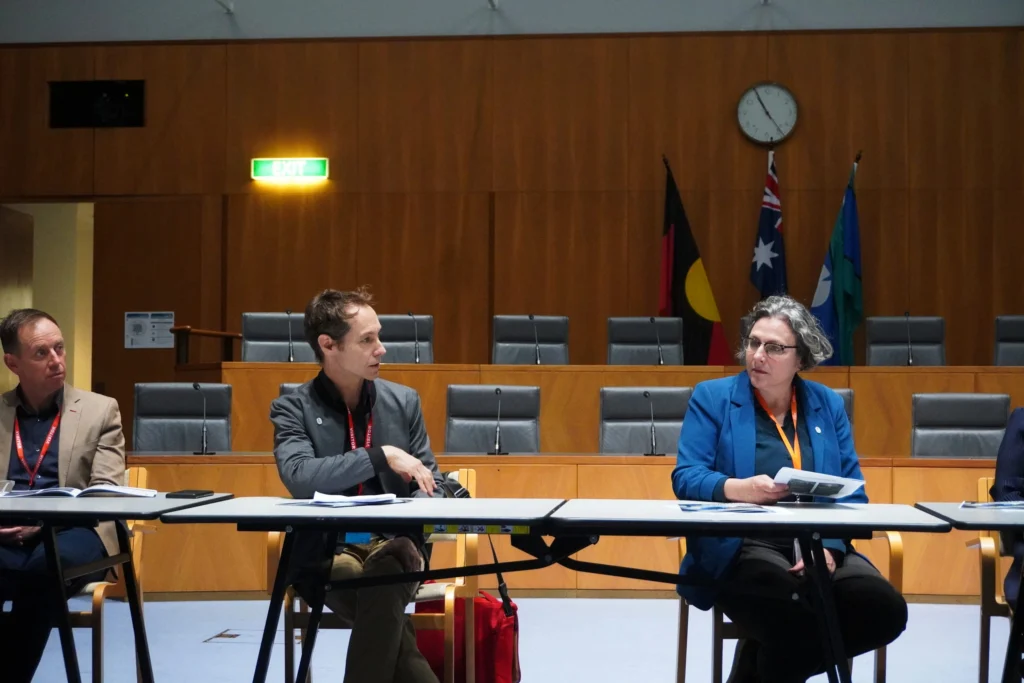
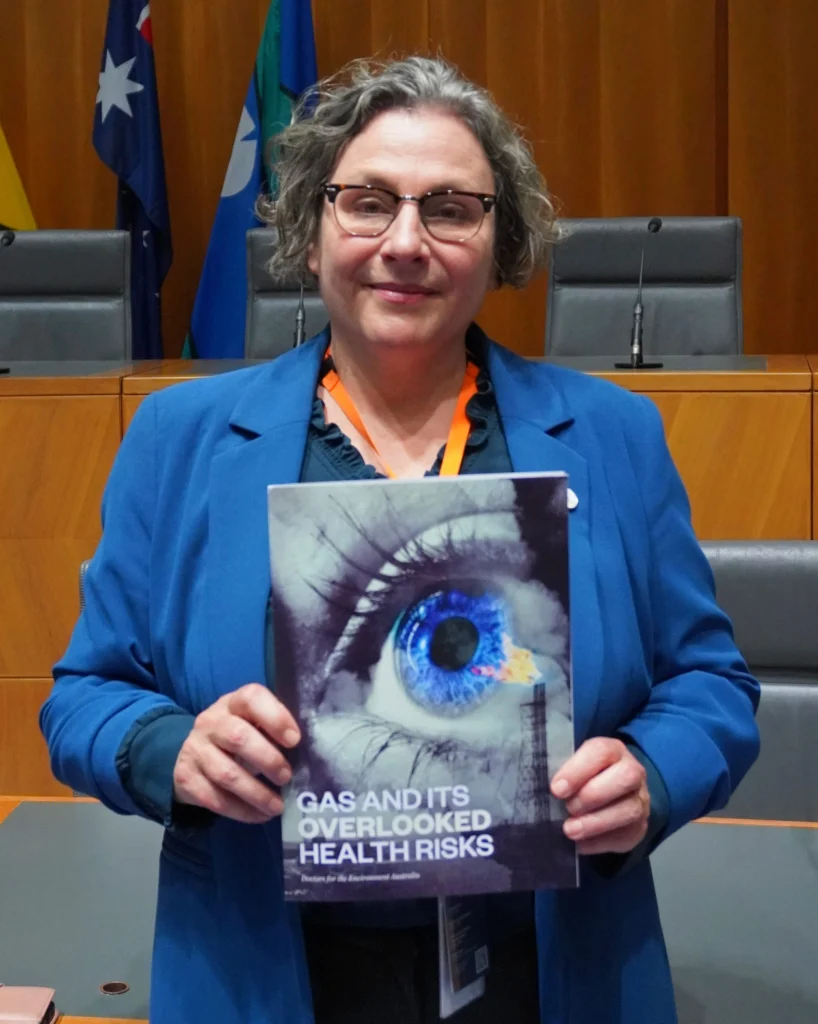
DEA Executive Director and GP Dr Kate Wylie explains to HVAC&R News that the report looks at how gas harms health throughout its lifecycle.
“Every step of the way, gas harms health,” she says. “When we extract gas it releases pollution into local communities. Fracking (unconventional gas extraction) is associated with impacts on air and water, cardiovascular and respiratory diseases in fence-line communities (communities that live close to gas processing).”
She adds that one of the specific concerns is the risk of leukaemia in fence-line communities. According to the report, there is accumulating evidence that exposure to the hazardous chemicals during fracking can lead to poorer birth outcomes, and higher rates of childhood leukemia and asthma.
Methane emissions in households are also a concern. Cooking with fossil gas increases the likelihood of developing asthma, particularly in children.
“Gas contributes to around an estimated 12% of asthma cases,” says Dr Wylie. “Asthma is a serious condition that affects one in nine Australians, and so anything that we can do to reduce the asthma burden is a sensible thing to do.”
She also notes that methane emissions are a primary driver of climate change. Australians are progressively feeling the effects of climate change as extreme weather events occur more often, and that in turn places increasing pressure on Australia’s health system.
According to the report, “Australia has not yet taken sufficient action to reduce avoidable health harms or secure a healthy environment.” This means that while some states and territories have taken steps towards electrification, there is still much to be done.
Key recommendations in the report include accelerating the clean energy transition and ensuring accountability.
Dr Wylie believes the Government needs to provide subsidies to assist with the process. Moving to renewable energy – including solar, wind and battery storage – is also a key recommendation.
“There needs to be regulations around new builds so that we don’t put gas into our homes and workplaces in the first place,” she says.
“The (Federal) Government has a choice about what it decides to spend our money on. And if it spends our money on getting us off gas, getting gas out of our homes and workplaces, it’s going to save money and save health dollars – but also do the right thing by the people and reduce the health risks.”
Dr Wylie also believes it needs to become routine practice to conduct health impact assessments.
“To consider how a project would impact health, I think is a sensible thing to do,” she says. “Surely we should be considering how a coal mine or a gas field or a solar farm impacts the health of the surrounding community and the broader environment.”
According to the World Health Organization (WHO), a health impact assessment (HIA) provides decision-makers and stakeholders with comprehensive information about the consequences on health of interventions, policies, and projects.
“HIA is a framework to implicate stakeholders in a meaningful way, allowing their messages to be heard,” WHO explains.
“The process draws on all resources in the project and wider community to help guide decision making … The views of the public can be considered alongside expert opinion and scientific data, with each source of information being valued equally within the HIA.”
Dr Wylie says there are studies “where we can quantify that every project that increases greenhouse gas emissions is associated with measurable health risks to humans and the environment.”
“We fundamentally have to recognise that electrification tends to be cheaper, healthier and quick to install,” she says.
“And when we have these options available to us, it just seems like a sensible thing to choose them; rather than continuing to expose humans to the health harms of gas and internal combustion engines.
“People have a right to clean air.”
For more information and to read the report, please click here.
The DEA has also written an open letter to Prime Minister Anthony Albanese and the Health and Aged Care Minister Mark Butler, urging them to protect human health by:
- Making the gas industry bear the costs of the health and environmental harms of their product
- Providing targeted support to the community to replace gas appliances and disconnect from the gas network
- Establishing a clear timeline for phasing out fossil gas and rule out approving new gas projects.
The letter is available to read and sign here.
All photos are courtesy of Doctors for the Environment Australia.
PREV
NEXT
Comments
-
Interesting outcome !
I grew up at a time when mothers cooked in a small kitchen with no to little ventilation.
Some old houses had instantaneous, gas water heaters in a small bathroom or laundry.
Oil or gas space heaters for the lounge room.
Houses had no real veneration designed into them, some had wall vents and most were covered or removed.
The thing is most of the kids grew up without asthma or any respiratory issues. Today every second kid has an issue with asthma or their respiratory system ?
Explain your evil gas theory around those points. -
I echo Frank’s sentiments. We have a flueless gas heater which we have used for many years. It has always been my belief that the byproducts of burning natural gas are CO2 and H2O. Our unit has two sensors for our protection. One will shut the unit down if there is only a minute trace of CO detected; the other will shut the unit down if the CO2 level gets above a certain level.
Advertisements
Recent news
- A2EP reveals a “hidden energy transition”
- NZ announces refrigerant stewardship scheme
- Seeing all-electric stars in the NABERS Annual Report
Latest events
- Adam Morgan shines in Shanghai
- IOR opens nominations for J&E Hall Gold Medal
- Nominations open for IIR scientific prizes
Leave a Reply