 Willow Aliento
Why Plandroid’s newest update isn’t adding AI (yet)
When Mike Garrett first launched specialist HVAC&R digital design and takeoff platform, Plandroid 18 years ago, many people didn’t think it was possible to simplify the process for system design, procurement and installation.
Garrett explains to HVAC&R News that his goal was to create a package that was simple, speedy and efficient and would enable installers and specifiers to deliver “good, efficient and working design” for HVAC systems including reverse cycle, evaporative, gas ducted heating, ventilation, and hydronic systems.
As a mechanical engineer, he had been working in Europe in the automotive safety space before returning to Australia, where a cousin of his was working as an AC installer. Garrett saw how time-intensive marking up paper plans manually was, and then translating that into specifications, products and pricing. He put his post-graduate studies into using digital code to create systems for solving problems to work and developed the concept for Plandroid.
It is a desktop graphical design tool that enables contractors and designers to import floorplans and then virtually build the HVAC system layout directly over the top.
“We try and make all the information as visual as possible,” Garrett says.
The functionality is point and click and drag and drop, with backend data sets including equipment performance specifications, product SKU codes and relevant standards. Running costs are also within the data sets, so customers can be given ballparks of life-cycle costs of ownership, and energy usage projections can be benchmarked.
As the system design is built, Plandroid automatically generates a parts take-off, applies pricing, and produces a structured costing ready for quoting. This backend data is supplied and maintained by Plandroid, Garrett explains, with manufacturers and customers both providing information for the database. Push notifications alert users if there has been a significant change in the catalogue.
The latest versions also integrate with CRMs to connect information flows between projects, clients, suppliers and other businesses in the user’s commercial and professional networks.
No AI yet
Garrett says the system is “code agnostic” in terms of design parameters, and the team have not yet integrated AI into the software or platform.
“When we do it, we will want to do it right,” Garrett explains.
“AI may help speed up the full material heat load calculations.”
These are a feature of the newest update, Plandroid 6.1, which supports American Manual J materials-based heat load calculations. Users can model flow rates, factor in windows, eaves and overhangs, curtains, zoning and other variables to get accurate heat load calculations.
The system also accounts for complexities such as walls at below grade and can provide visual outputs in the form of drawings. Changes to any input automatically translate across into procurement and equipment specifications, pricing and estimates.
“It is a lot faster and more intuitive than doing the calculations using spreadsheets,” Garrett says.
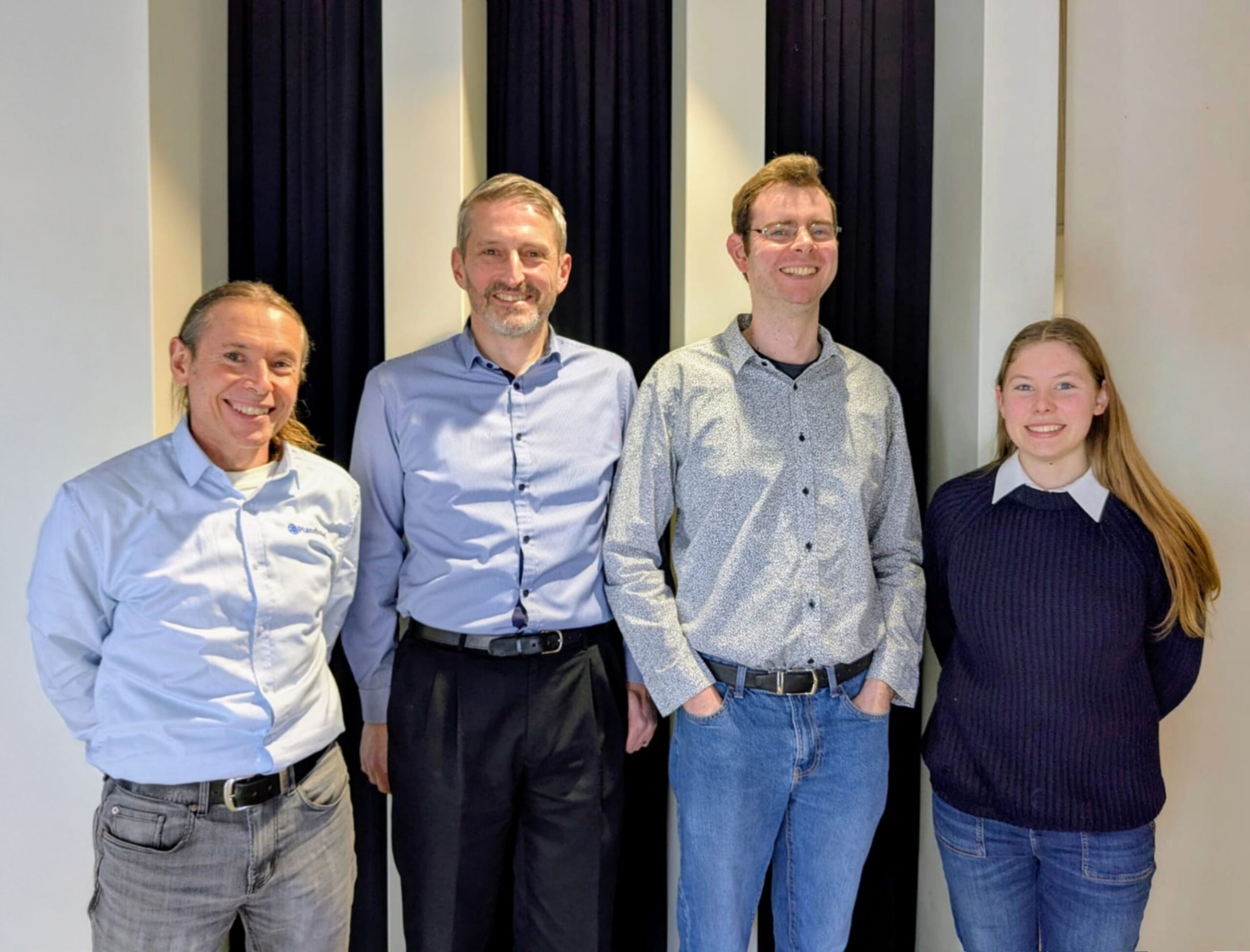
Main image: Plandroid team, Mike Garrett on far left; image courtesy of Plandroid.
PREV
NEXT
Comments
Advertisements

Recent news
- Beijer Ref appoints new CEO
- Building ministers pledge NCC modernisation
- Recognising and celebrating progress and change
Latest events
- Recognising and celebrating progress and change
- Adam Morgan shines in Shanghai
- IOR opens nominations for J&E Hall Gold Medal
Leave a Reply