 Willow Aliento
Global cooling market on the rise
In 2025, global demand for space cooling consumed more energy than the entire European Union, according to the International Energy Agency (IEA). This is expected to continue growing, as rising heat sends demand for cooling equipment soaring.
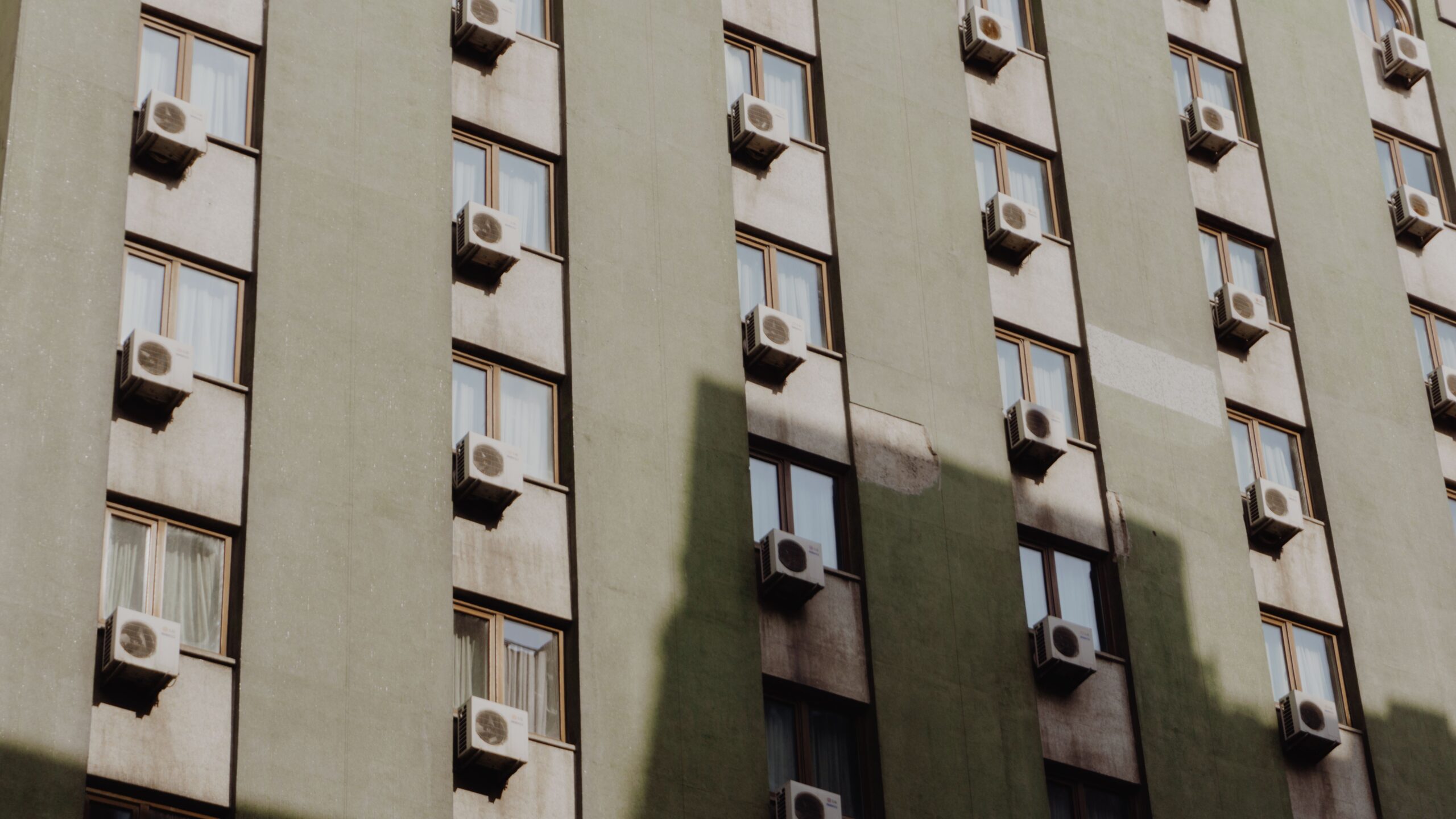
The IEA briefing, Cooling a hotter world: El Niño meets strong growth in global electricity demand, shows that electricity demand for space cooling technology including fans, air conditioning and district cooling rose by about 50% between 2015 and 2025.
This resulted in global electrical demand of more than 2,900 terawatt-hours (TWh) – which is 2,900 trillion watt-hours. The IEA estimates that if current trends and policy settings continue, by 2035 this could grow to more than 4,500TWh.
The demand for equipment is also growing. In China, ownership of air conditioning has risen by 50% over the past decade, while over the past five years, the global volume of AC shipments has grown by 25%. The IEA says the majority of demand growth is in emerging and developing economies, driven by a combination of rising incomes and greater prevalence of heatwaves.
While this places stress on energy systems in cooling-dependent nations, the IEA notes that average equipment efficiency has improved and that tighter energy performance standards are shaping the market. According to the briefing, the average AC unit sold globally in 2024 was around 20% more efficient than the average model sold a decade earlier.
The briefing also underlines the role of policy in improving building standards to address heat vulnerability through design and construction approaches. With the impact of the conflict in the Straits of Hormuz region and ripple effects of energy costs and availability, the resilience of the energy system and managing demand for cooling becomes particularly acute.
“The situation underlines the importance of policy responses that help manage short-term demand and strengthen the efficiency of cooling systems over time,” state the authors.
“Reinforcing these measures, alongside forward-looking policies in building and urban design, can reduce heat stress, improve the resilience of energy systems to future shocks and expand access to essential cooling.”
Read the full briefing here
The IEA has also just released the newest Energy End-uses and Efficiency Indicators database, which contains annual data from the year 2000, and covers end-use energy consumption by energy product, end-use carbon emissions, associated indicators across industry, services, residential and transport energy use sectors. Within each sector, analysis demonstrates the impact of drivers such as activity, efficiency and structure of the segment on energy consumption trends.
The data shows, for example, that residential space cooling in 2024 accounted for 5.3% of Australia’s overall energy demand, and 1.3% of the nation’s total emissions footprint.
Within the new, detailed Household Appliances database, the IEA has captured annual data for years between 2000 and 2024 for countries such as Australia relating to appliances including air conditioners, clothes dryers, clothes washers, dish washers, freezers, refrigerator/freezer combinations, refrigerators, personal computers and televisions.
Click here to access the data.
PREV
NEXT
Comments
Advertisements

Recent news
- Adam Morgan shines in Shanghai
- Next-gen solar
- Shaping the future of Building Energy Performance standards
Latest events
- Adam Morgan shines in Shanghai
- IOR opens nominations for J&E Hall Gold Medal
- Nominations open for IIR scientific prizes
Leave a Reply