Page 1
Category: Regulations
-

Government announces shift in refrigerant management
The federal government has announced that some refrigerants will now be managed under the framework for industrial chemicals, with the potential for new control measures.
-

NSW and Queensland defer adoption of NCC 2025
New South Wales and Queensland have announced that they will defer the adoption of the 2025 version of the National Construction code until May 2027.
-
Review of incentives for commercial decarbonisation
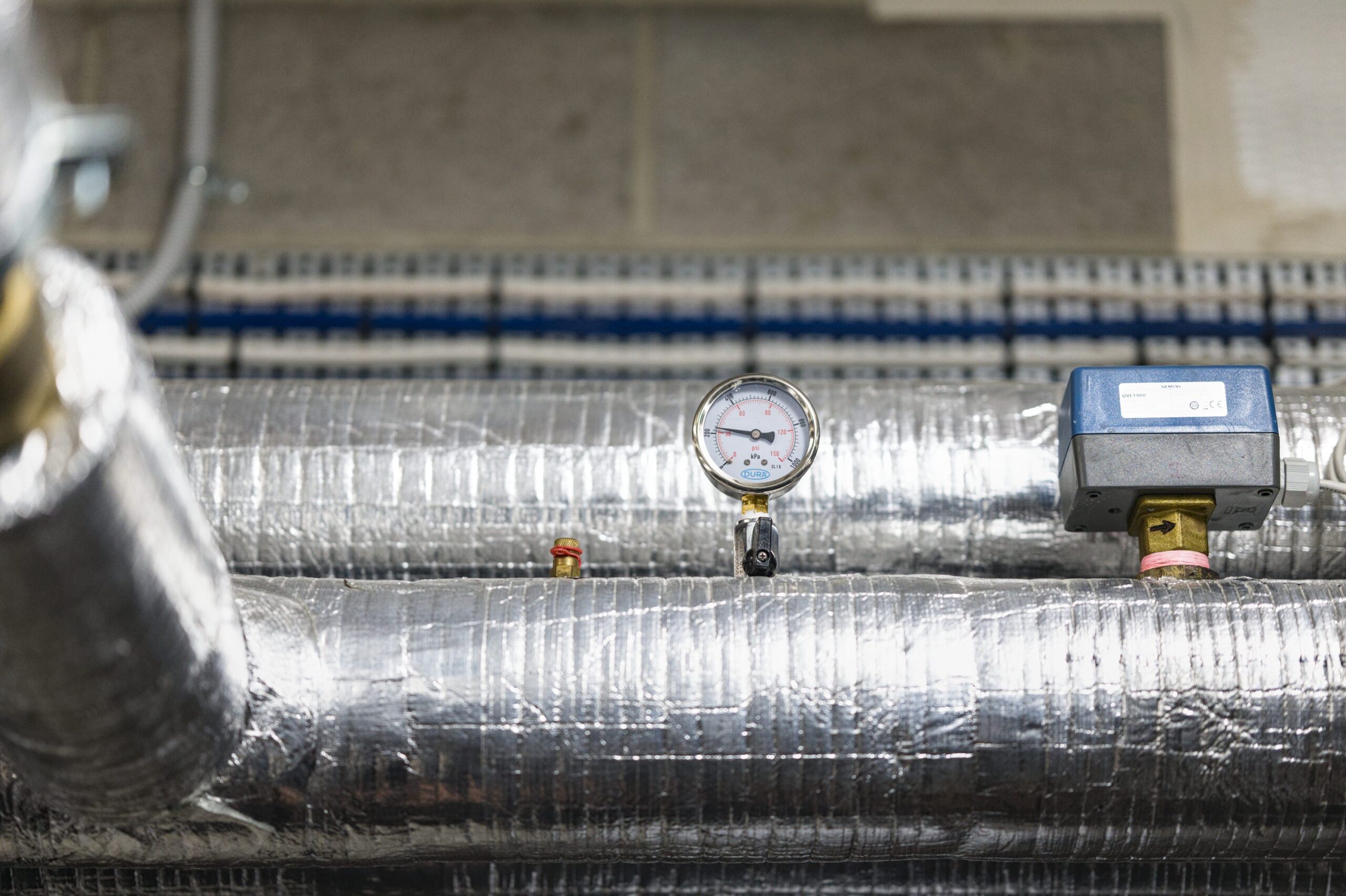
Changes are coming to the Victorian Energy Upgrades program, with a new industrial heat decarbonisation activity presented for public feedback, and updates confirmed for commercial and industrial hot water heat pump incentives.
-
Call for consistency in licensing and registration
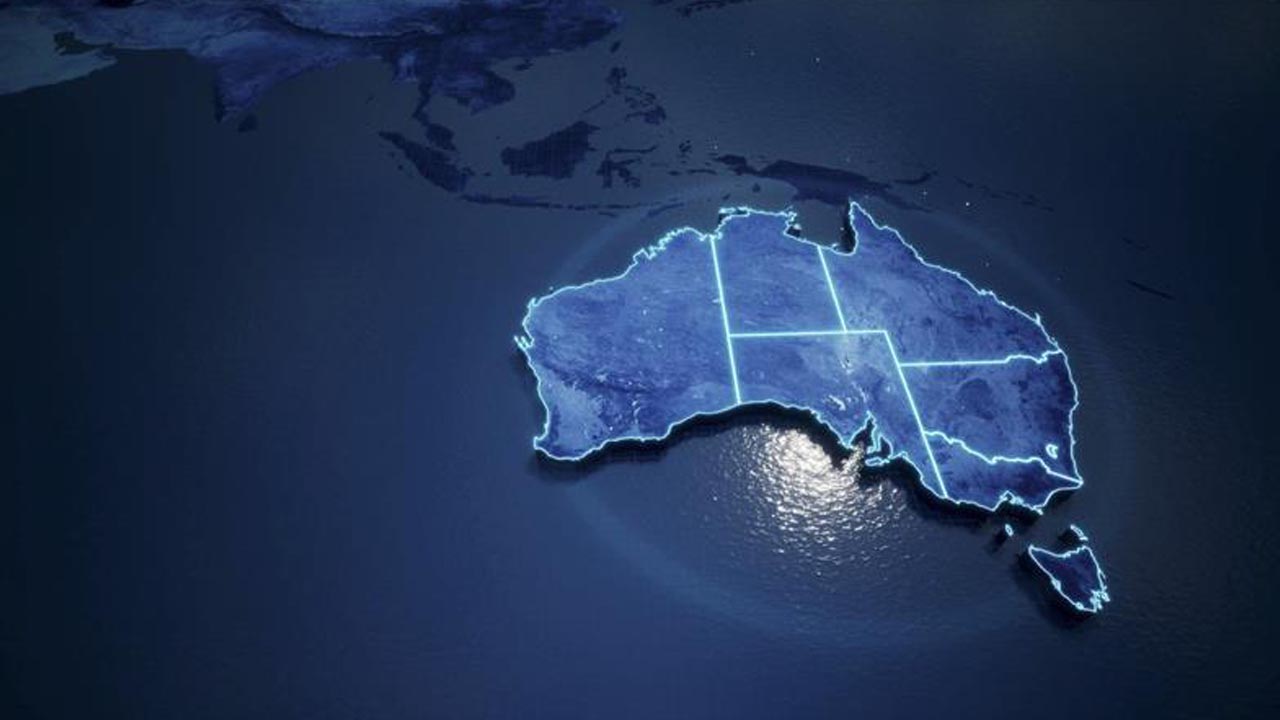
The National Competition Council is reviewing Australia’s mutual recognition schemes, including both registration of engineers and licensing of trades.
-

HIA calls for ‘knock-down rebuild’ of NCC
The Housing Industry Association (HIA) has lodged a major submission calling for a comprehensive overhaul of the National Construction Code (NCC).
-
VEU signals changes for commercial and industrial heat pump incentives
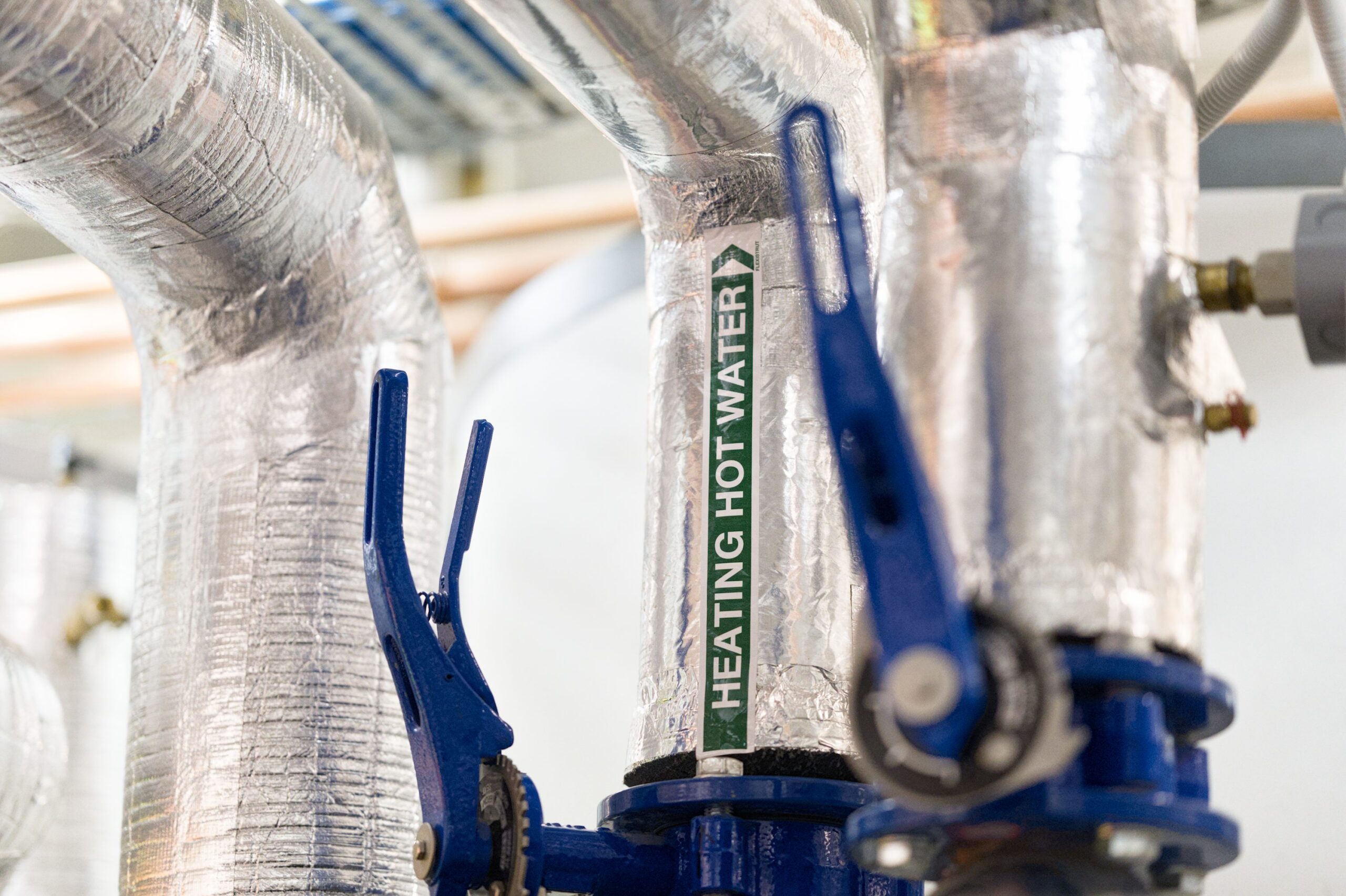
Victoria’s Department of Energy, Environment and Climate Action (DEECA) has announced potential revisions to the commercial and industrial heat pump activity available under the Victorian Energy Upgrades (VEU) program.
-
New fire safety maintenance regs in NSW
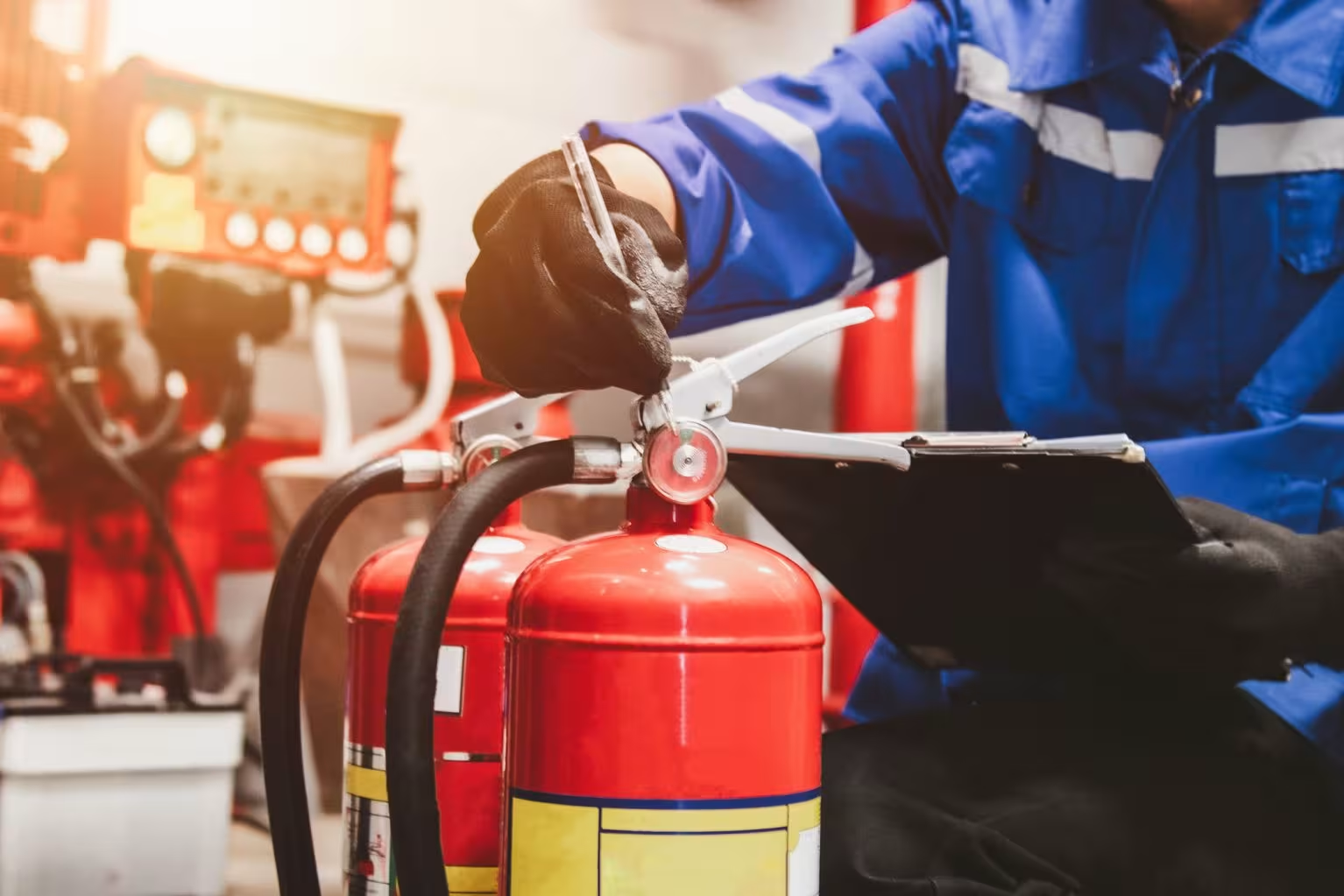
Changes to fire safety maintenance requirements are now in effect for New South Wales, with important implications for HVAC&R practitioners.
-
NCC 2025 comes into focus
The Australian Building Codes Board (ABCB) has published the NCC 2025 preview, providing early access to the next edition ahead of its May 1 publication date.
-
The quest for a better NCC
The Commonwealth government is seeking views on how Australia’s National Construction Code can be improved.
-
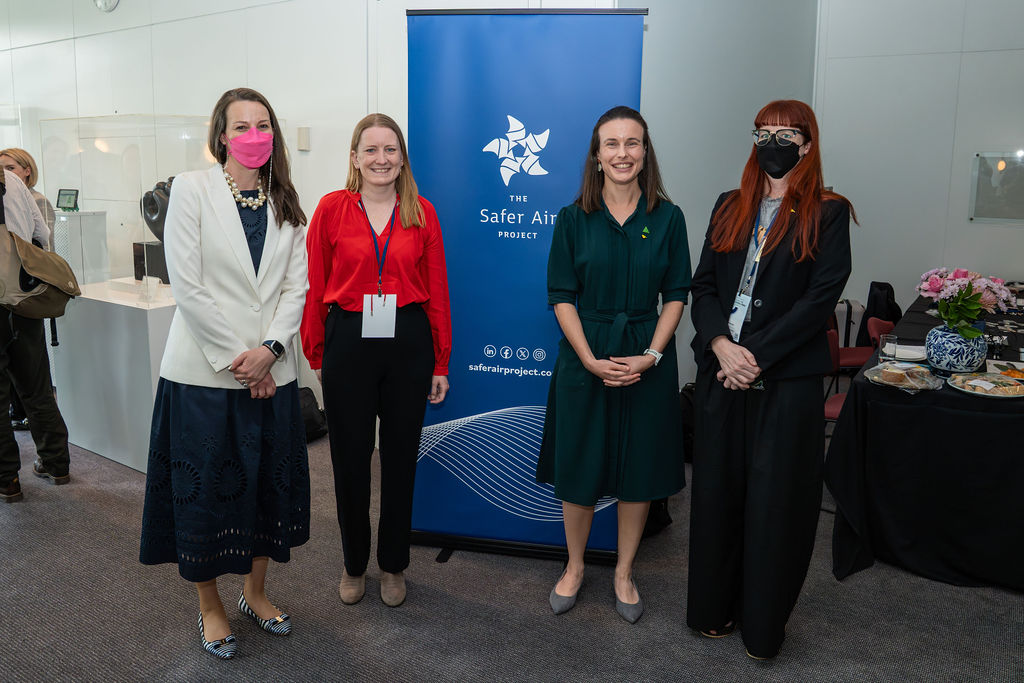
Two weeks left for NSW IAQ inquiry
Public comment to the NSW Legislative Council Health Committee’s inquiry into indoor air quality (IAQ) closes on Thursday, January 29.
-
NABERS Energy update – have your say
NABERS is seeking feedback on a proposed NABERS Energy update for 2030 that will affect how energy efficiency in buildings is measured.
-

Built environment leaders bring sustainable thinking to Parliament House
AIRAH’s Nick Johns-Wickberg shares his experience of attending last week’s ASBEC council meeting in Canberra.
-

NCC 2025 slated for publication in early 2026
Commonwealth, state and territory building ministers met yesterday to agree on the timing of future updates to the National Construction Code – including NCC 2025.
-
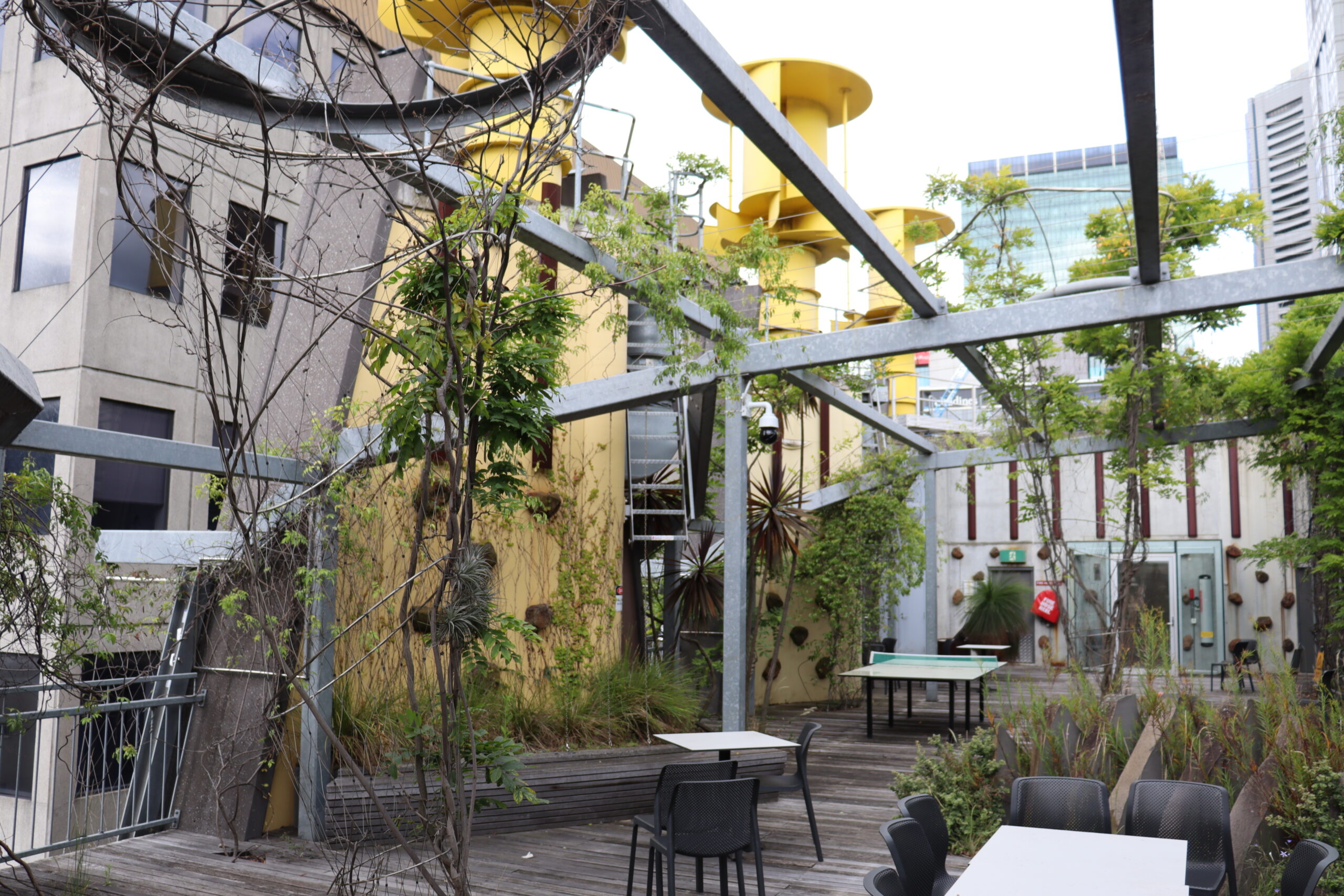
GBCA launches updated Green Star tool
The Green Building Council of Australia (GBCA) has released its Green Star Buildings v1.1 rating tool, which strengthens action on carbon, nature and circular economy while simplifying delivery for project teams.
-
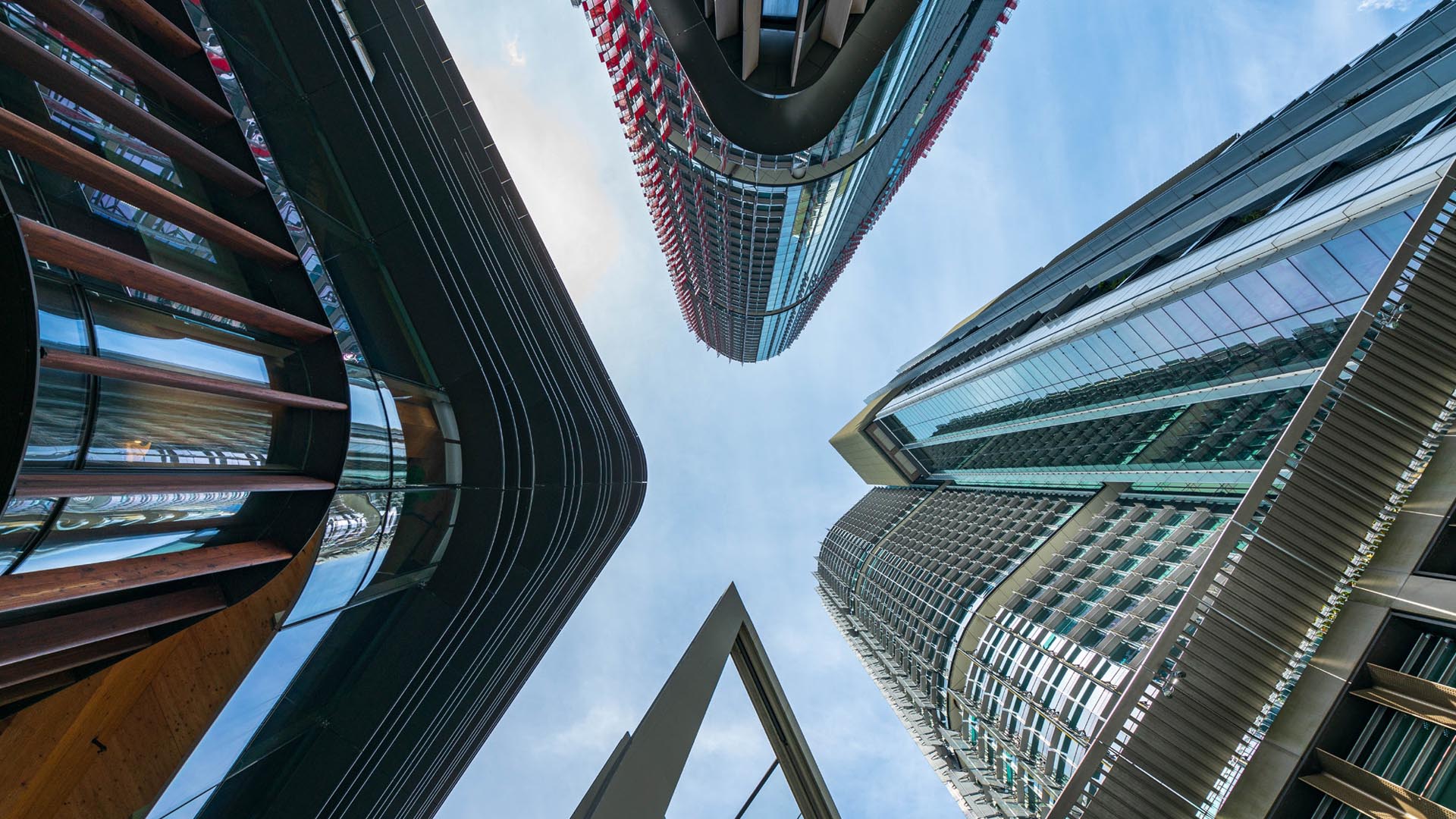
CBD Program roadmap offers clear pathway to reducing emissions
The Commonwealth Department of Climate Change, Energy, the Environment and Water (DCCEEW) has released a policy roadmap describing how the Commercial Buildings Disclosure (CBD) Program will be expanded over the next decade to deliver major reductions in emissions.
-
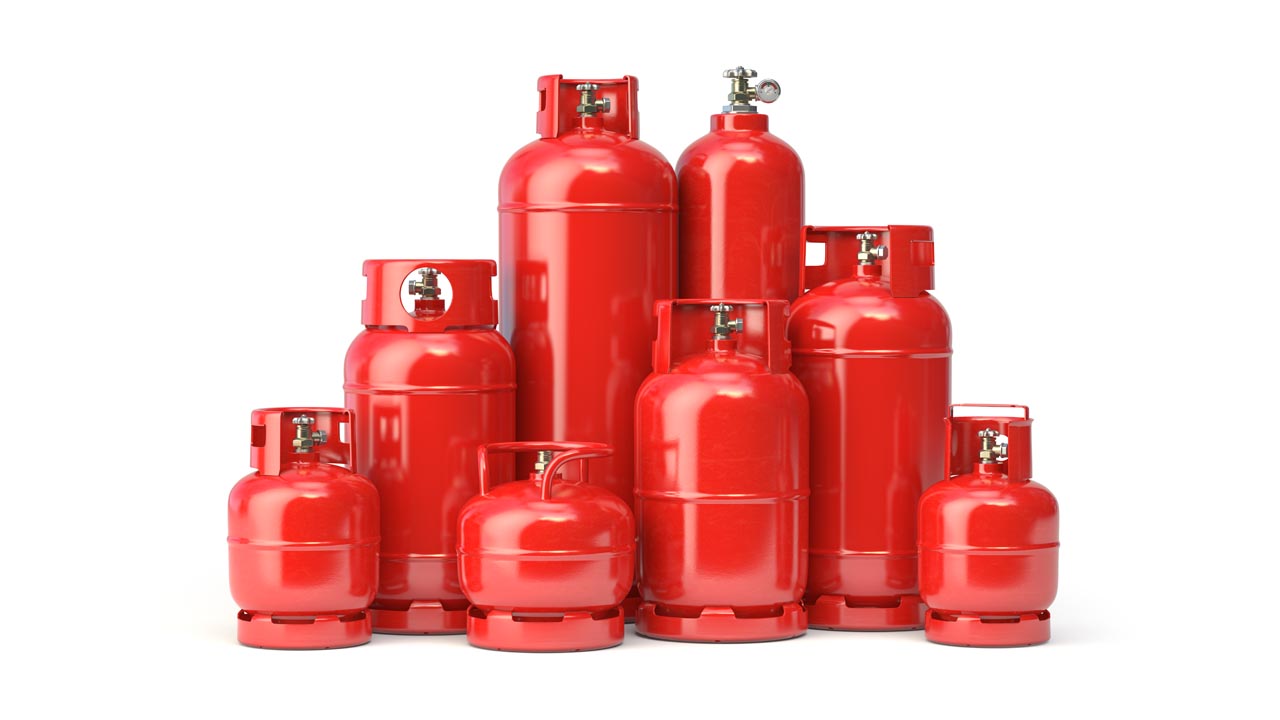
Update coming for Flammable Refrigerants Safety Guide
A project is underway to revise the Flammable Refrigerants Safety Guide, a vital reference to educate and safeguard workers and end-users.
-
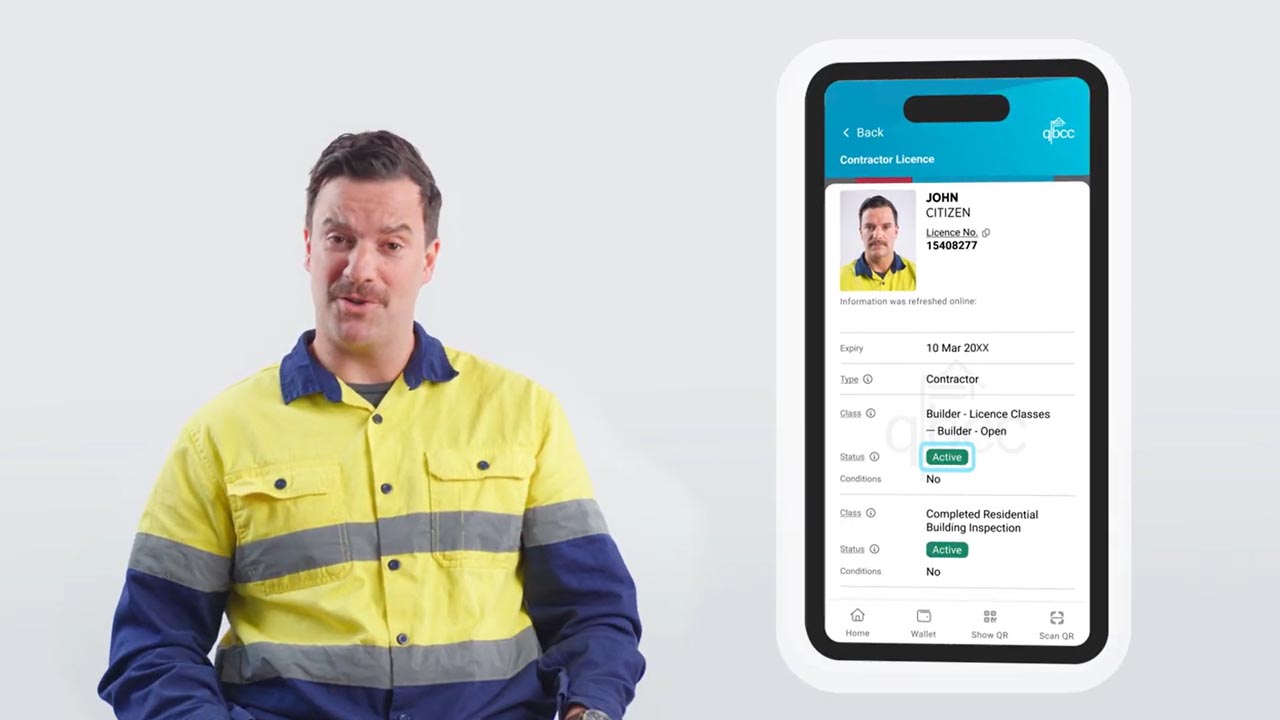
Queensland introduces digital licenses
The Queensland Building and Construction Commission (QBCC) has announced that it will start introducing digital licences, developed in partnership with the Queensland government as part of Queensland’s Digital Licence app.
-
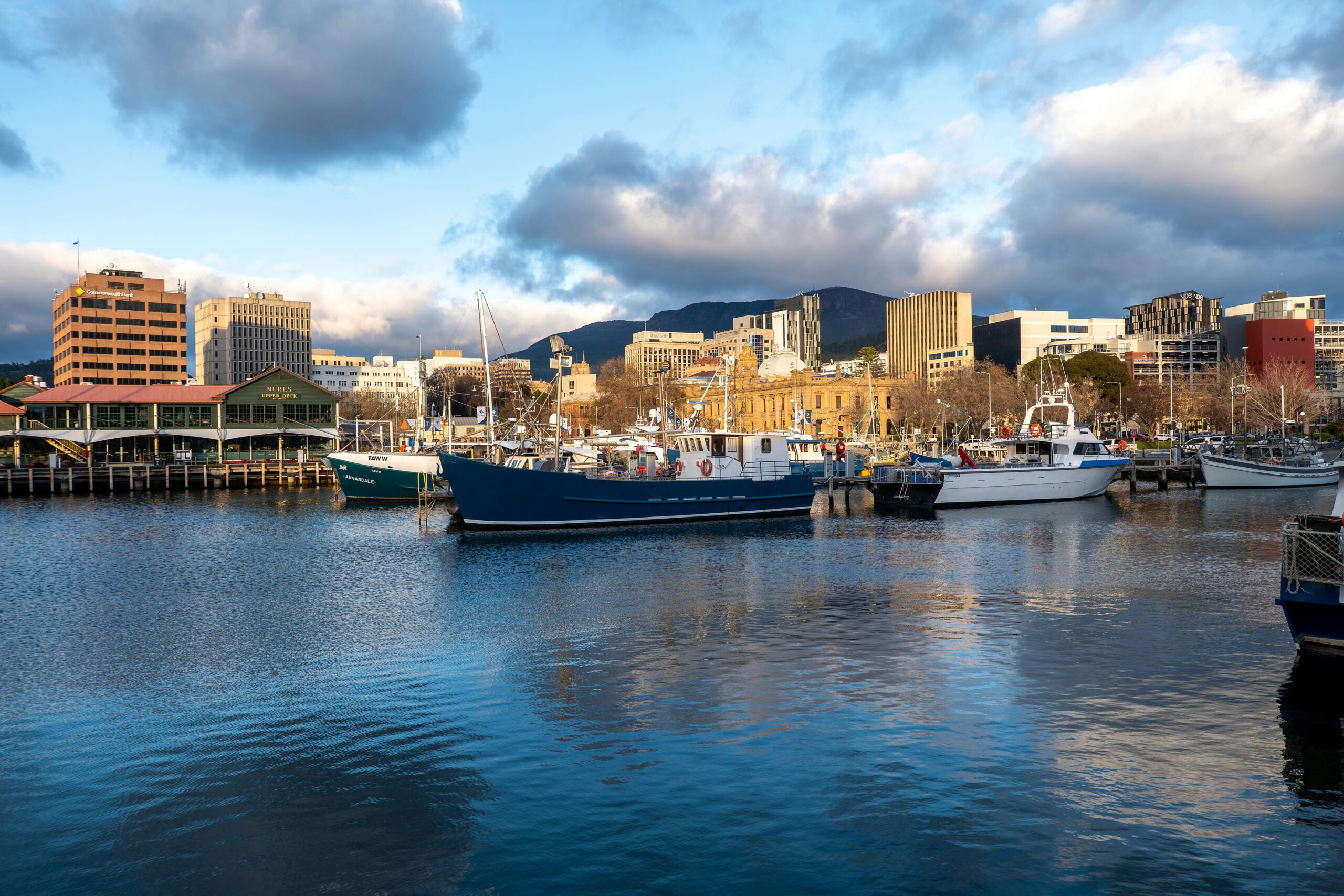
CBOS testing the waters for HVAC&R licensing
Tasmania’s Consumer, Building and Occupational Services (CBOS) is running a survey seeking industry insight into the risks faced by HVAC&R trades and how regulatory oversight could help mitigate these risks.
-
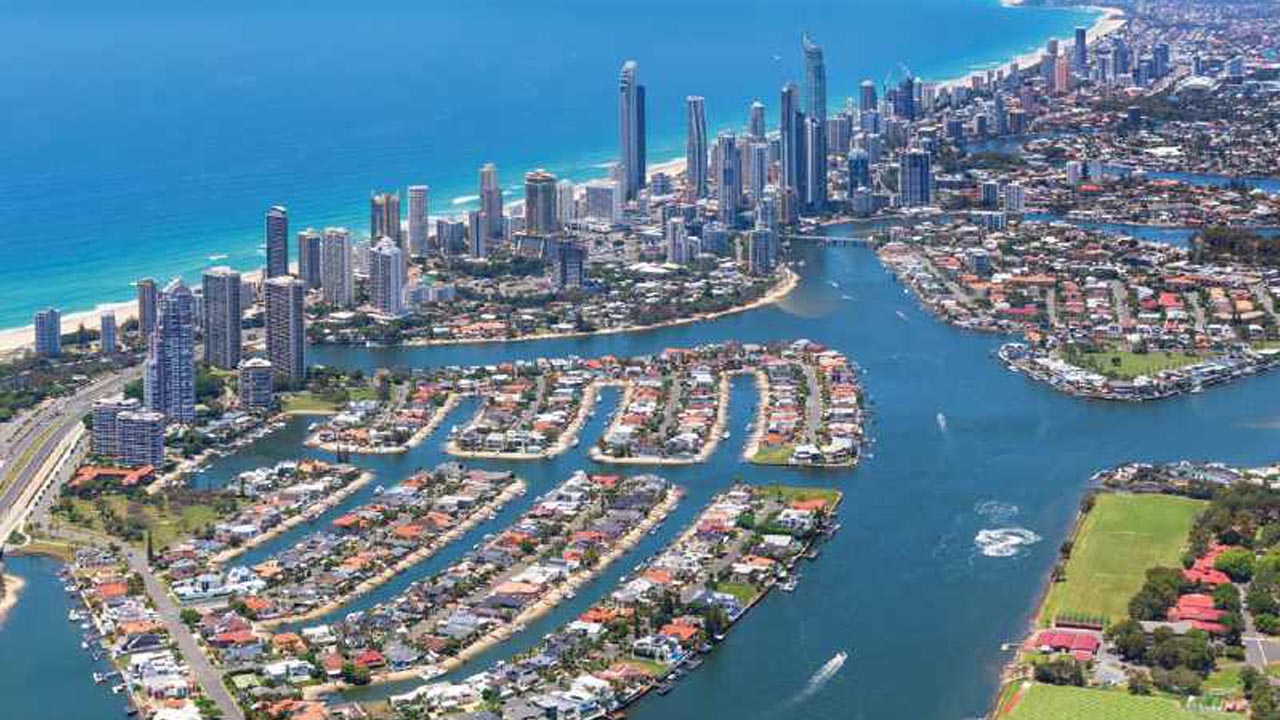
Climate report highlights need for urgent action
The federal government has released a first-of-its-kind report categorising and assessing Australia’s climate risks just days before it will announce updated 2035 emissions targets.
-

ARC funds free RAC standards for licence holders
The Australian Refrigeration Council (ARC) has announced new funding to provide free access to curated standards for RAC technicians and businesses.