Beyond bulky waste: Australia’s growing end-of-life appliance challenge
End-of-life household appliances are placing growing pressure on councils, industry and recovery systems as environmental risks, refrigerant management and disposal obligations become increasingly complex. General Manager of Refrigerant Reclaim Australia, Kylie Farrelley, reports on discussions at the Waste 2026 Conference.
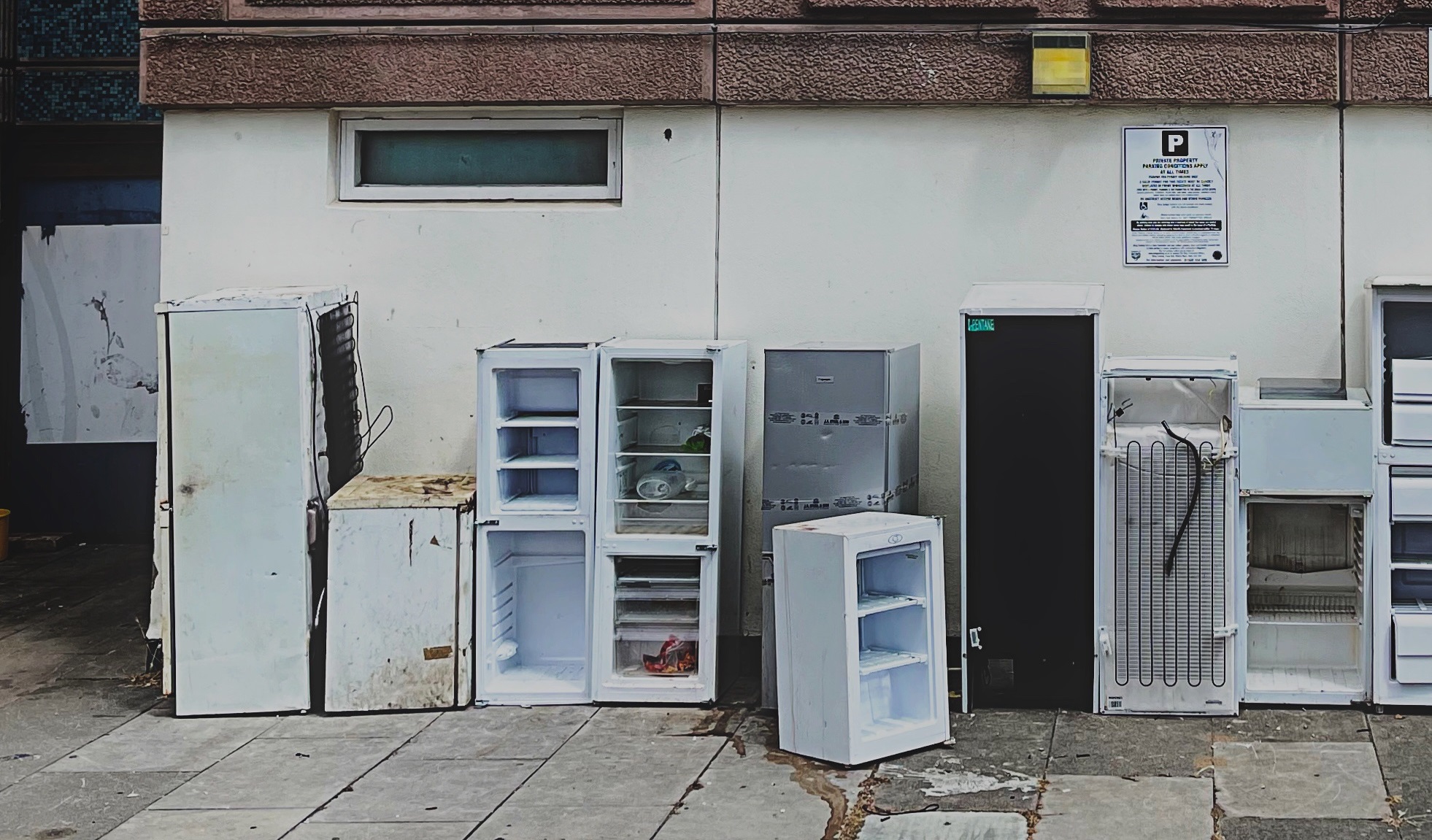
Fridges, freezers, air conditioners, heat pump systems and other large household appliances are more than simply bulky waste items. Many contain refrigerant gases, recoverable materials, embedded plastics and components that require specialist handling, alongside increasing recovery and disposal obligations.
These growing challenges were a key focus at the Waste 2026 Conference held in Coffs Harbour. Industry and government representatives discussed the increasing pressure on appliance recovery and disposal across Australia, with a panel discussion facilitated by Brett Lemin, Executive Director, Waste Contractors & Recyclers Association of NSW & ACT.
While end-of-life household appliances may appear relatively straightforward on the surface, many still contain refrigerant gases and other recoverable materials that require safe recovery and specialist handling to prevent environmental harm.
One speaker noted that, “once you start scratching beneath the surface, it’s one of the more complex waste streams we have in Australia.”
Costs, complexities and council burdens
Complexities include hazardous materials, refrigerant gases, valuable recoverable resources, environmental considerations, compliance obligations and rising processing costs all converging within a single waste stream that councils and resource recovery operators are ultimately responsible for managing.
A key focus throughout the discussion was refrigerants, the risks associated with improper handling at end-of-life, and the growing challenges faced by local governments in effectively managing refrigerant recovery.
One speaker observed that refrigerant recovery is a significant challenge for local governments and recyclers.
Many refrigerants contained in older appliances are potent greenhouse gases or ozone depleting substances, in some cases thousands of times more harmful than carbon dioxide from a global warming perspective, they said. Also, under Australian legislation, it is illegal to release refrigerant into the atmosphere.
The discussion highlighted that while some newer appliances use refrigerants with reduced environmental impacts, many still require specialist handling due to flammability and safety risks.
Much of the pressure continues to fall at the receiving end of the waste stream, particularly for councils and recyclers. These stakeholders are balancing environmental responsibilities alongside rising operational costs, workforce shortages and infrastructure constraints.
Among the barriers the panel identified were shortages of licensed technicians, storage limitations, illegal scavenging of appliances before they can be degassed, rising transport and labour costs, and the practical realities faced by regional and remote councils.
Councils across Australia are trialling new approaches to better manage end-of-life appliances, including introducing refrigerant recovery clauses into contracts and tenders, collaborating regionally to share mobile degassing services, and training staff to safely recover refrigerants on-site.
Implementing effective stewardship
These efforts reflect the growing scale and complexity of appliance recovery, particularly as many discarded appliances still contain refrigerant gas at the point of collection. One kerb-side household appliance collection trial found that 95% of collected fridges still contained refrigerant gas.
The issue also continues to expose the significant investment, coordination, and long-term commitment required of manufacturers or importers to support effective collection, recovery, and stewardship systems, particularly as councils and resource recovery operators manage the impacts of scavenging, workforce shortages, and inconsistent industry participation.
“There’s only really a handful of brands currently investing in take-back and collection,” the panel heard.
“The investment required is significant, and industry wants a level playing field before committing to large-scale infrastructure and stewardship systems.”
Importantly, the discussion also reinforced the role of Australia’s existing refrigerant stewardship framework, including the country’s mandatory product stewardship approach for refrigerants through Refrigerant Reclaim Australia, which supports the recovery and safe destruction of refrigerants through licensed high-temperature destruction facilities.
As Australia continues phasing down high-global-warming-potential refrigerants, effective recovery systems will play an increasingly important role in reducing emissions and preventing harmful gases from entering the atmosphere.
The growing complexity of end-of-life appliance management is placing renewed focus on the need for clearer coordination and shared responsibility across governments, industry and manufacturers.
While momentum continues to build around circular economy initiatives and product stewardship reform, long-term progress will ultimately depend on coordinated investment, clearer responsibility across the product lifecycle, and practical recovery systems capable of supporting Australia’s growing appliance waste challenge.
PREV
NEXT
Comments
Advertisements
Recent news
- Adam Morgan shines in Shanghai
- Next-gen solar
- Shaping the future of Building Energy Performance standards
Latest events
- Adam Morgan shines in Shanghai
- IOR opens nominations for J&E Hall Gold Medal
- Nominations open for IIR scientific prizes
Leave a Reply