 Willow Aliento
Nearly $100 million allocated for collaborative R&D
The Australian Research Council’s latest funding round is helping university researchers and industry collaborate on some of Australia’s most urgent challenges.
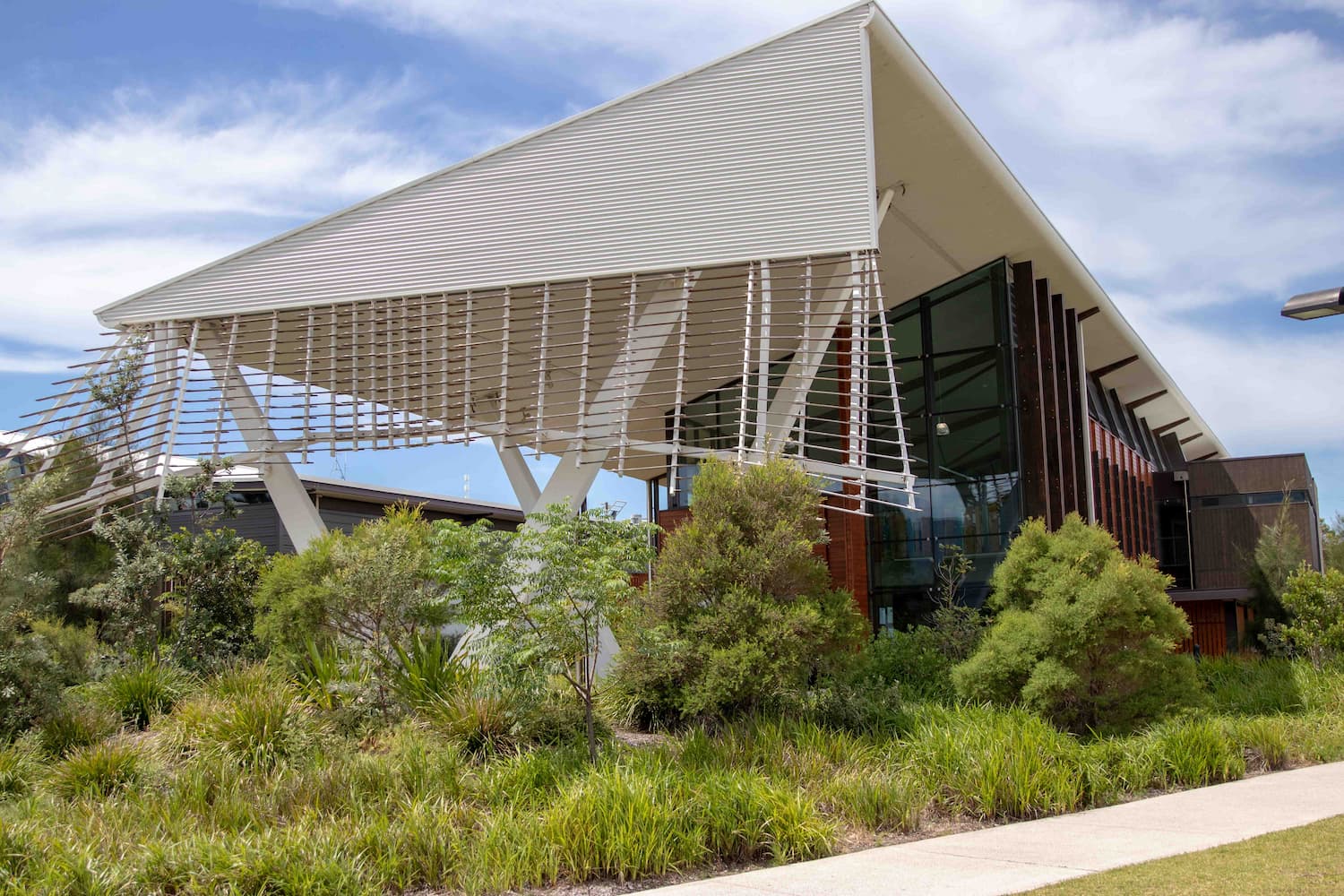
More than $99.8 million in Australian Government funding through the Linkage Projects 2025 Round 2 scheme has been awarded to 178 collaborative research projects that encompass a wide range of social, economic and environmental dilemmas.
The proposals bring together universities with industry, government and community partners to deliver research aligned with Australia’s National Science Priorities, including funding for a healthy society, resilient and productive ecosystems, and transformative technologies.
ARC Chief Executive Officer Professor Ute Roessner says the investment reflects the important role of collaboration in turning research expertise into practical benefits.
“Strong partnerships are essential to ensuring Australian research delivers benefits to industry and the community,” says Professor Roessner.
“These projects bring together diverse expertise to address challenges that matter – supporting healthier communities, more sustainable industries and innovative approaches to complex national issues.”
HVAC&R research and innovation being supported by the latest round includes a project developed by Daikin Australia, Bega Cheese Ltd and the University of Wollongong. It aims to develop new technology for decarbonising and optimising energy use on dairy farms with a product the team have named TerraWatt.
This will be a modular energy system that integrates advanced water-to-water heat pumps and thermal storage within existing farm infrastructure.
“The project expects to deliver a scalable, efficient, and automated solution tailored to the evolving operational needs of the dairy sector while generating new knowledge in sustainable on-farm energy management,” according to the project abstract.
“Expected outcomes include a validated prototype, a predictive control system, and an uncertainty-informed design framework. These innovations will reduce energy costs, lower emissions, improve system efficiency, and strengthen the long-term viability and competitiveness of regional dairy farming.”
Other built environment projects include research into optimising connected home energy systems including integrating EVs and appliances with on-site renewables; research into improved air quality and pollution monitoring; and research into affordable housing and advanced construction technologies.
Read more about the funding round here.
PREV
NEXT
Comments
Advertisements
Recent news
- Seeing all-electric stars in the NABERS Annual Report
- City Facilities Management secures decade-long Coles deal
- Delivering energy wins through cooling innovation
Latest events
- Adam Morgan shines in Shanghai
- IOR opens nominations for J&E Hall Gold Medal
- Nominations open for IIR scientific prizes
Leave a Reply