Page 2
Category: News
-
Make you sure have a license to thrive
It’s tough enough running a trade business without copping avoidable expenses like fines for non-compliance. With the Commonwealth Penalty Units recently increasing, the Australian Refrigeration Council (ARC) has issued a timely reminder to all ARC permit holders.
-
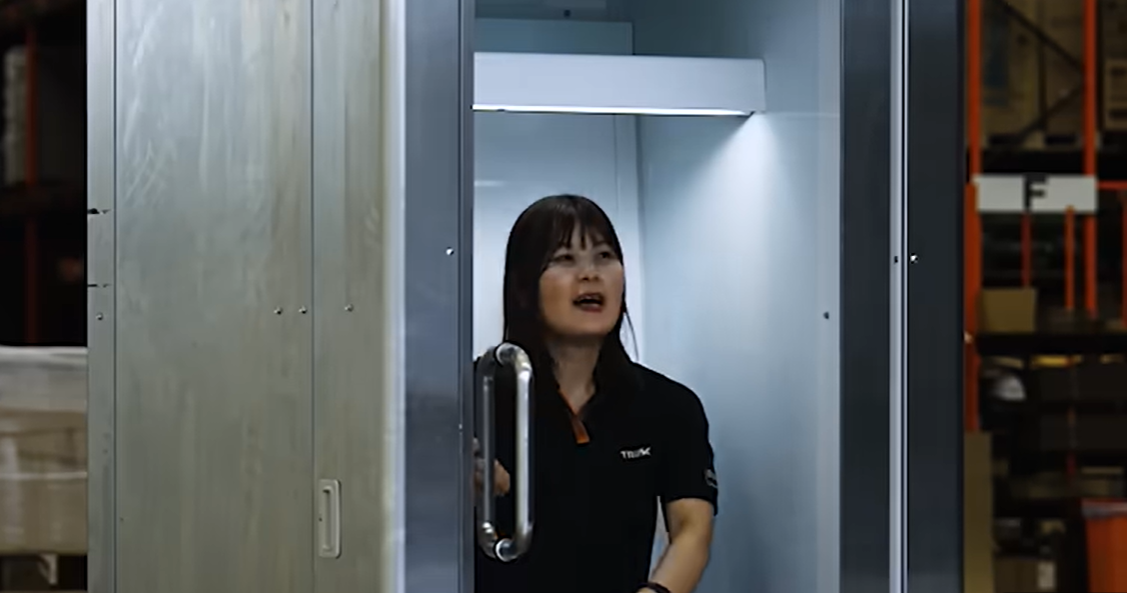
Japan’s human refrigerator
With new predictions that Australia is facing its “hottest ever” summer this year, perhaps Japan’s invention of a “human refrigerator” has come at a great time.
-

Solstice Advanced Materials launches R-134a retrofit concept
Specialty materials manufacturer Solstice Advanced Materials has launched an aftermarket solution that will enable the conversion of existing R-134a vehicle air conditioning systems to Solstice® YF (R-1234yf).
-

Farewell Climate Active – but what next?
Have your say: The Department of Climate Change, Energy, the Environment and Water (DCCEEW) is holding a consultation on the closing of the Climate Active carbon neutral certification scheme.
-
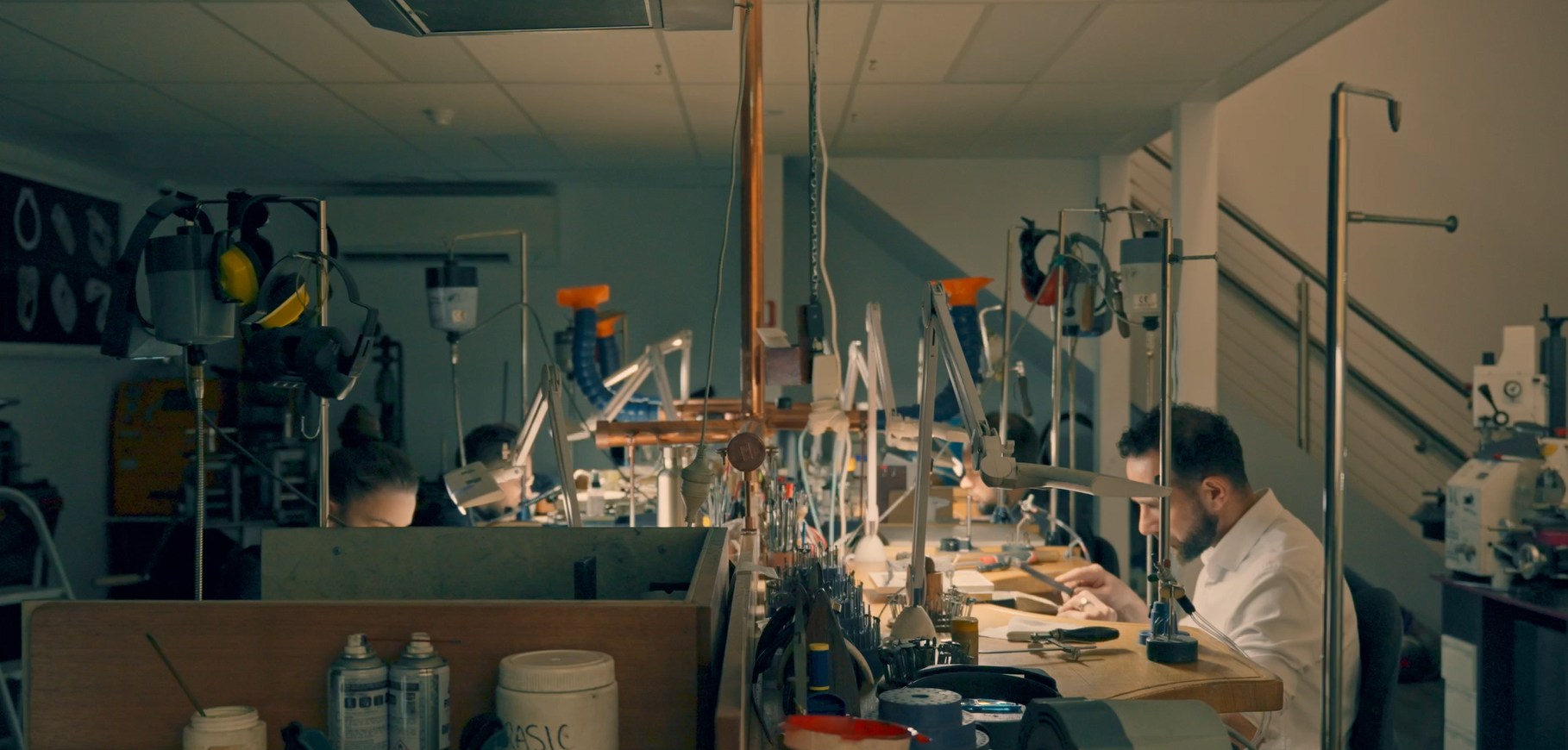
Gem of an opportunity for an apprentice
Tools of the trade are a major expense for apprentices, which is why a Melbourne jewellery workshop is offering a $3000 grant.
-
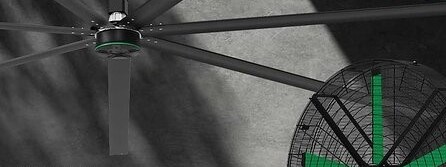
Airflow for the win in hot spaces
Managing heat within industrial facilities is important for worker wellbeing. Doing so without a hefty cooling bill can be challenging.
-
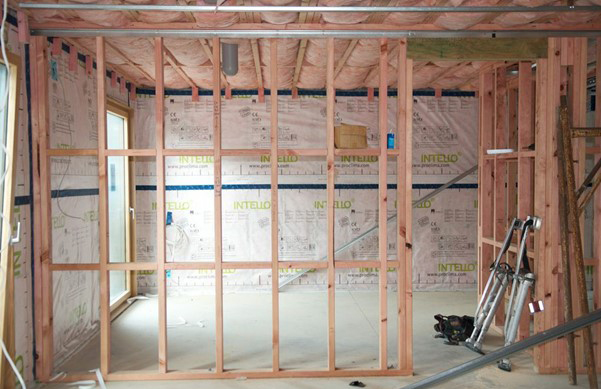
Passive House Scholarships 2026
Entries to Pro Clima Australia’s Passive House Scholarships 2026 are now open.
-
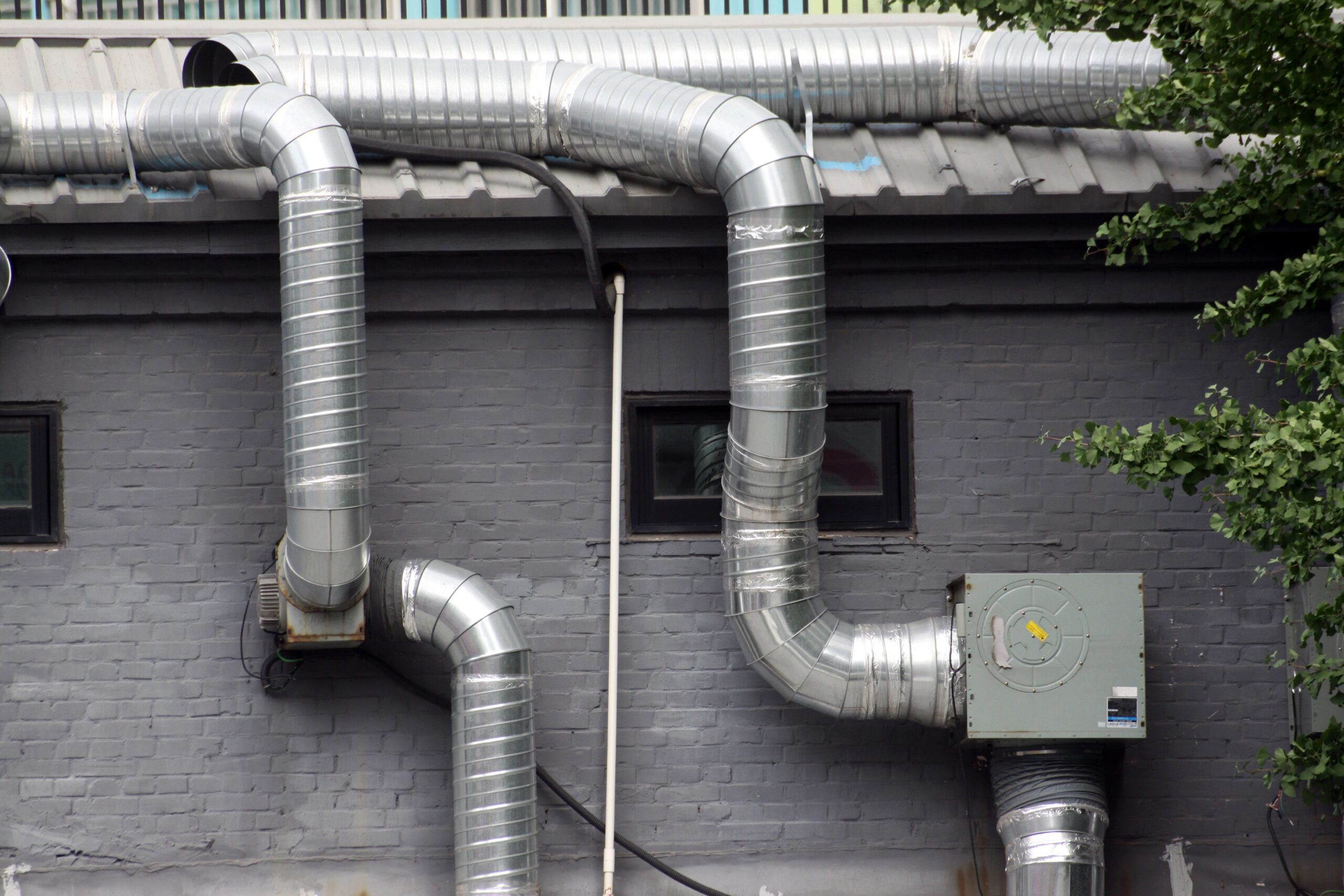
New ventilation rules take effect in NZ
Aotearoa (New Zealand) has adopted the Fifth Edition of G4/AS1 for building consent applications, with HVAC&R contractors now expected to use the new edition.
-
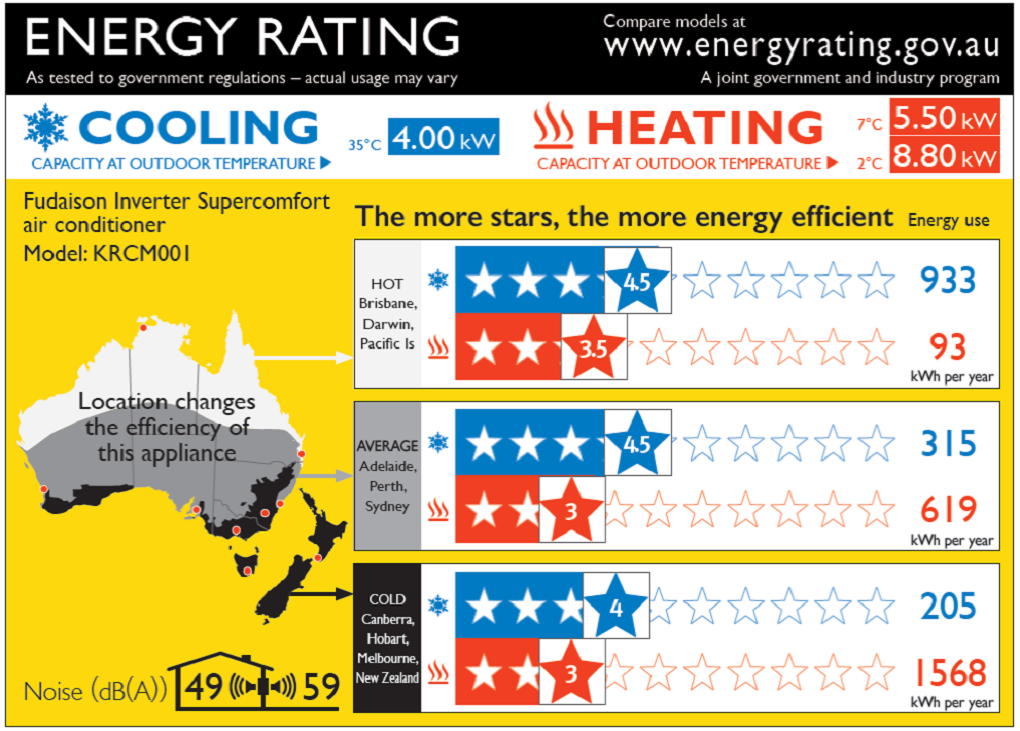
Improving the reliability of energy ratings for air conditioning
Revisions are now likely to the standard underpinning air conditioner seasonal energy efficiency performance, following a review by the Department of Climate Change, Energy, Environment and Water (DCCEEW).
-
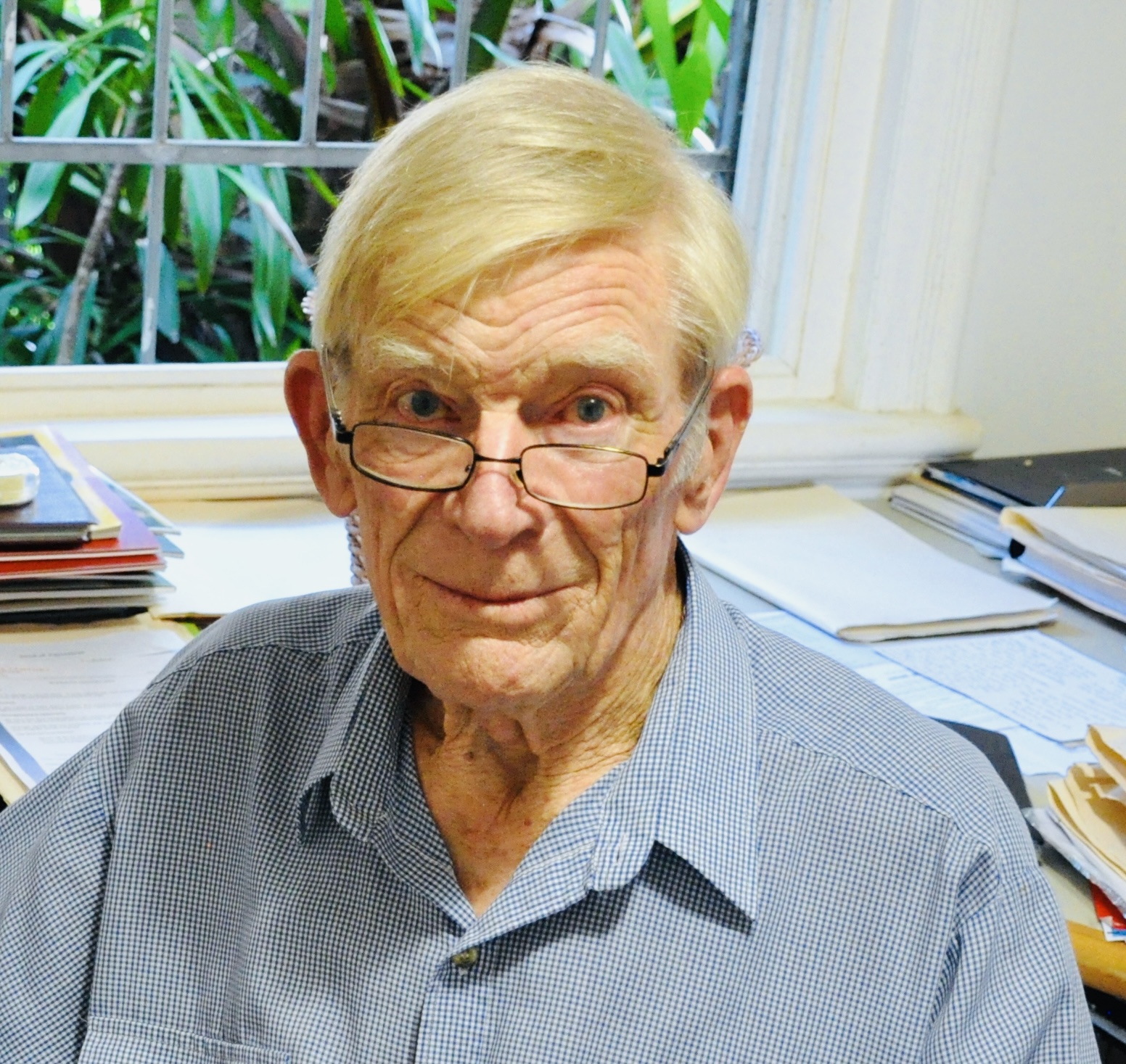
David Norman’s legacy celebrated in Towards Net Zero competition
One of the first engineers in Australia to champion sustainable buildings, David Norman, is being celebrated with a $10,000 prize for AIRAH’s inaugural Towards Net Zero competition.
-
Danfoss achieves platinum ESG performance
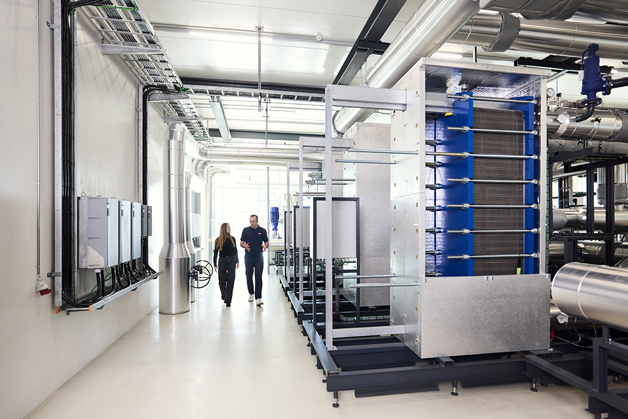
Sustainability rating provider EcoVadis has awarded Danfoss the Platinum Medal in the 2026 EcoVadis sustainability assessment.
-

New climate-related transition planning guidelines released
The Commonwealth Government has released climate-related transition guidance that aims to support businesses and other organisations to plot a pathway for navigating both decarbonisation and climate change adaptation.
-

Madison Air and ebm-papst ink a deal
Global ventilation solutions provider epm-papst is changing ownership, becoming part of the United States-headquartered Madison Group.
-
Breakthrough converts low-temp waste heat into cooling
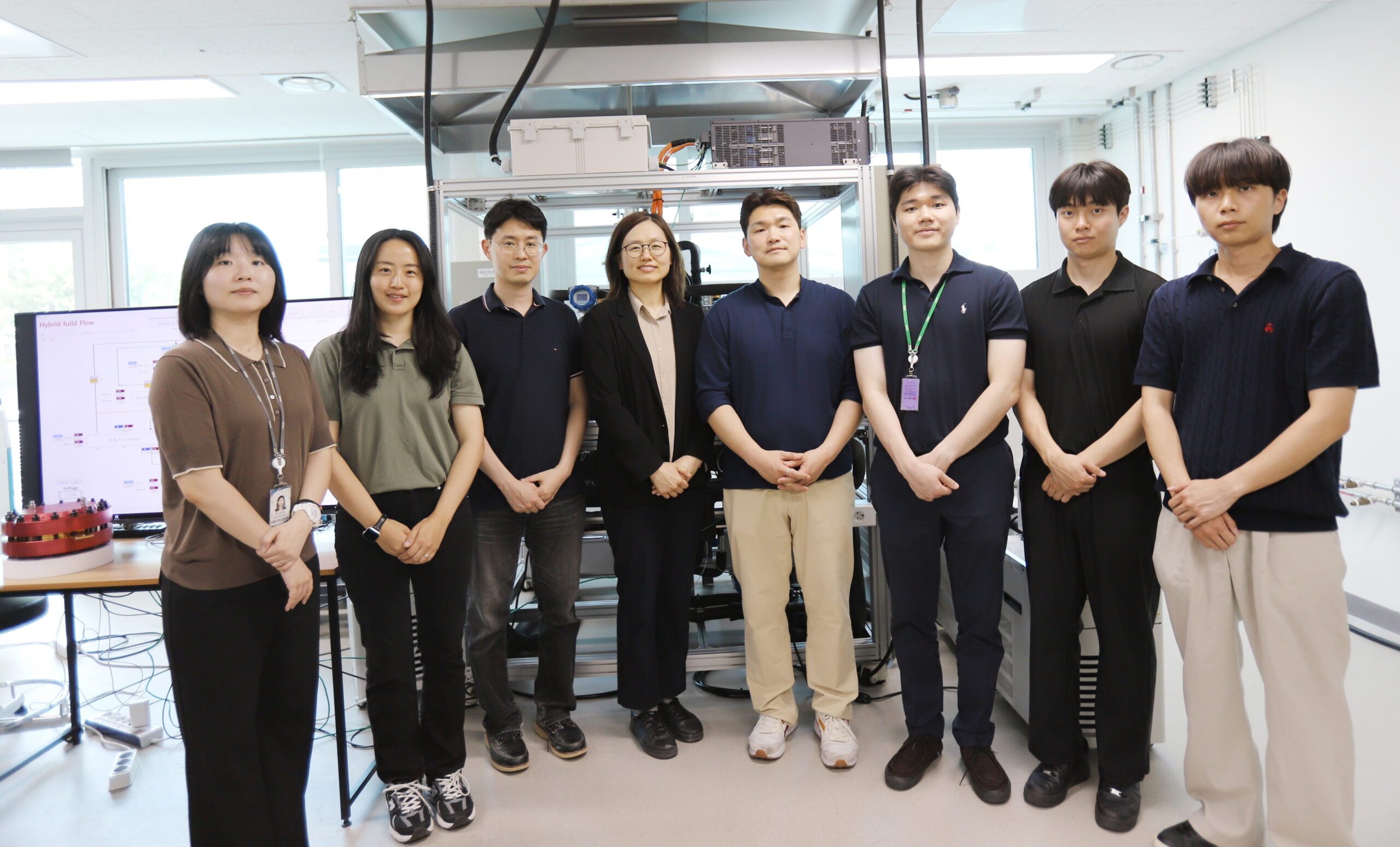
Researchers from the Heat Pump Research Centre at Korea Institute of Machinery and Materials (KIMM) have developed an adsorption heat pump heating and cooling system powered by low-temperature waste heat.
-

New CEO for Clean Energy Regulator
Minister for Climate Change and Energy, Chris Bowen, has announced Tony Chappel as the new Chief Executive Officer and Chair of the Clean Energy Regulator (CER).
-

Improving cooling efficiency in the dairy aisle
The International Institute of Refrigeration (IOR) has released a new technical brief on retrofitting doors to open-fronted refrigerated display cabinets.
-

Heads up on hacker risks for HVAC
Cyber-physical systems (CPS) protection company, Claroty, has issued a warning about vulnerabilities for data centre HVAC systems.
-

Public hospitals could save an electrifying amount
Healthy Futures and Lucid Consulting Australia have released a cost-benefit analysis report that calls on the Government to electrify nine pilot hospitals across every Australian state and territory.
-
Next step in transforming development approaches in NSW
What the NSW Building (Approvals and Practitioners) Bill 2026 means for HVAC&R professionals.
-
The proof is in for biosolar roof innovation
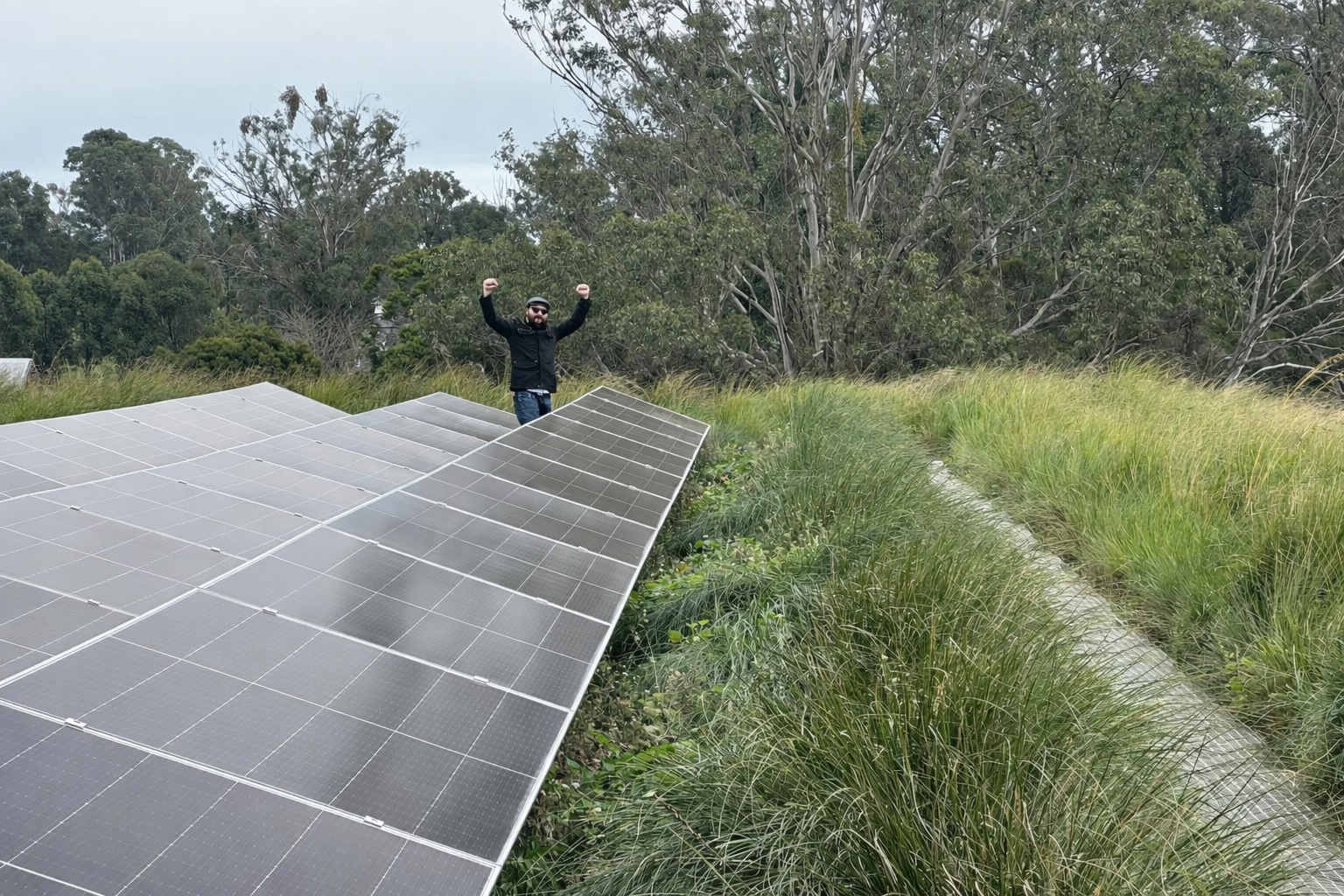
Research has demonstrated that the first substantial installation of a biosolar roof in Australia at Bradfield City in Sydney’s West delivers improved energy generation while supporting biodiversity.