 Sami Zheng, Affil.AIRAH
The future workforce starts with employers
One of the questions we often get asked is, “Who is really responsible for building Australia’s future workforce?”
Governments fund programs; training organisations deliver qualifications; and industry bodies advocate for reform, yet the latest report from the Powering Skills Organisation (PSO) reminds us that the real investment happens every day in workshops, on construction sites and in plant rooms across the country.
It happens when an employer decides to take a chance on an apprentice.
The report notes that approximately 87% of electrical and refrigeration and air conditioning (RAC) apprenticeship training is delivered on the job, underscoring the critical role employers play in developing Australia’s future workforce.
Essentially, Australia’s energy transition, our net zero ambitions and the future capability of the HVAC&R industry all depend on employers who are willing to invest their time, knowledge and resources into developing the next generation.
Many of these employers are small and medium-sized businesses. They mentor, supervise and train apprentices while balancing the realities of running a business. Yet the costs and risks largely sit with them, while the long-term benefits are shared across the economy.
If we want more skilled people, we need to make it easier and more rewarding for employers to train them. Supporting small businesses while encouraging greater participation from larger organisations will be critical if we are serious about addressing workforce shortages.
Our future workforce needs different skills
The UEE Training Package Review is progressing well and reflects just how quickly our industry is evolving. Digital controls, Building Management Systems, natural refrigerants, diagnostics, licensing, compliance and communication skills are all receiving greater attention. These are exactly the capabilities our industry will need as buildings become smarter, systems become more connected, and expectations around sustainability continue to rise.
At the same time, another trend is accelerating.
Artificial intelligence is transforming industries at an extraordinary pace, and with it comes a rapid expansion of data centres. While much of the conversation focuses on computing power, the reality is that these facilities rely on highly skilled people to design, build, commission and maintain complex mechanical and electrical systems.
Demand for refrigeration and air conditioning technicians, electricians, controls specialists and commissioning engineers will only continue to grow.
It’s encouraging to see governments recognising the importance of supporting employers.
For example, the Queensland government has expanded support for apprenticeships through a range of targeted initiatives. The Small Business Apprenticeship Program wage subsidy has been extended to support a further 2,000 construction apprentices, helping small businesses offset the costs of employing and training new entrants.
In addition, Queensland’s new TradieStart Program commenced on August 1, providing incentives for businesses and Group Training Organisations (GTOs) to support up to 2,500 construction apprenticeships. These measures are designed to strengthen the apprenticeship pipeline, address workforce shortages and encourage greater employer participation in training across the construction and trades sectors.
At AIRAH, we’ve always believed that great industries are built by people who are willing to invest in other people.
Our Apprentice Awards have a long and proud history of recognising employers, particularly small and medium-sized businesses, that go above and beyond to mentor, develop and inspire future professionals. These businesses are doing far more than filling vacancies; they are building the capability, resilience and future of our industry.
If you know an outstanding apprentice or an employer making a real difference, I encourage you to submit a nomination. Together, let’s celebrate those who are helping shape the next generation of Australia’s HVAC&R workforce.
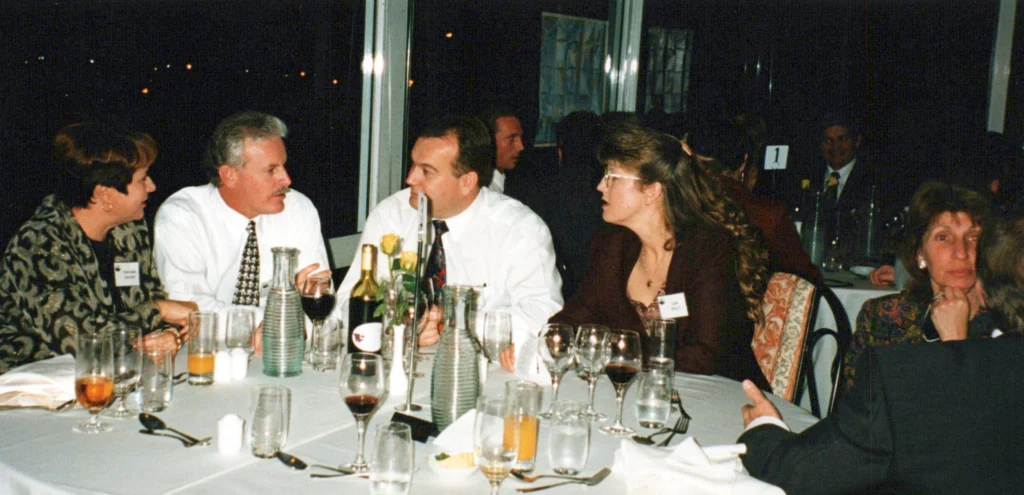
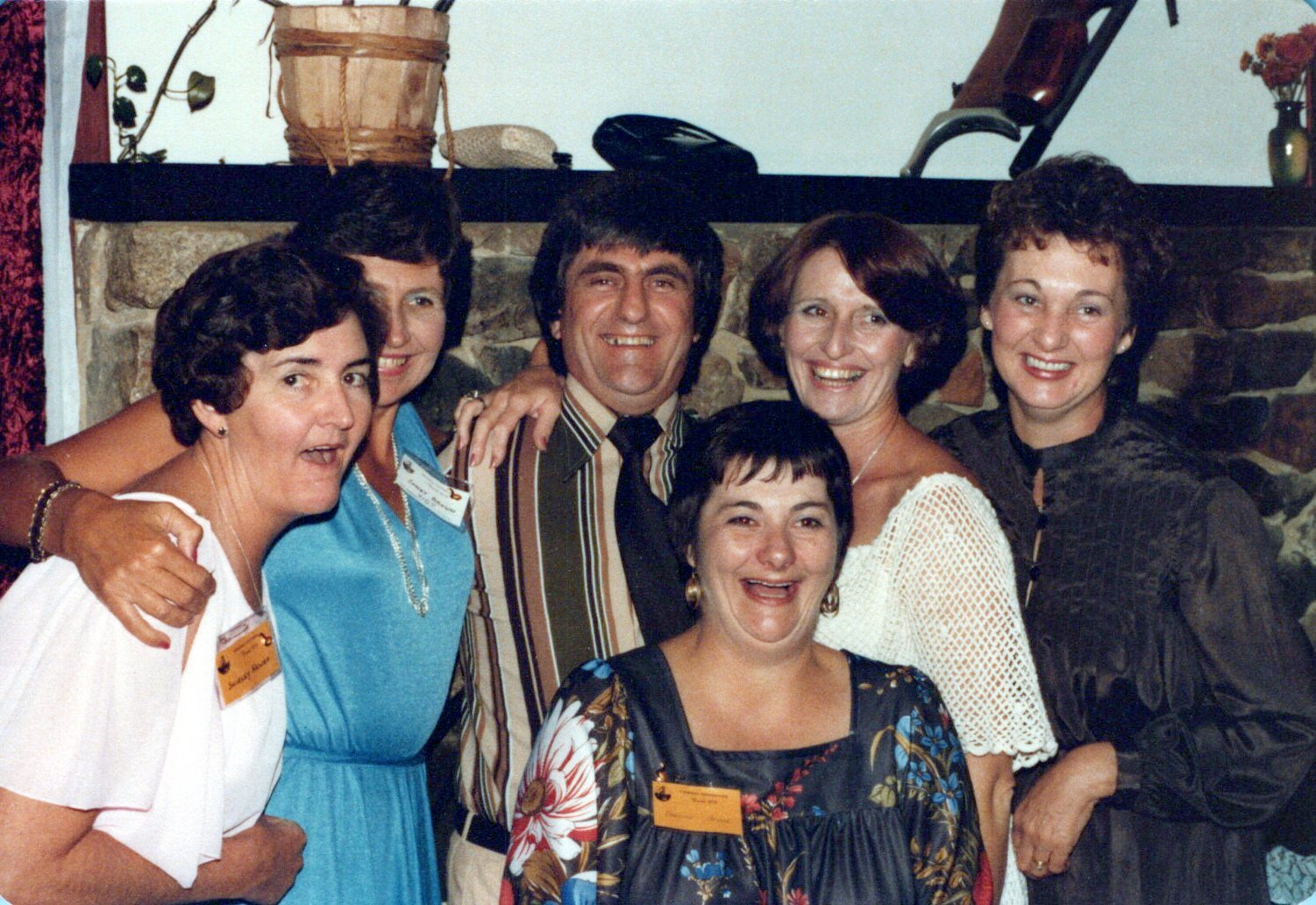
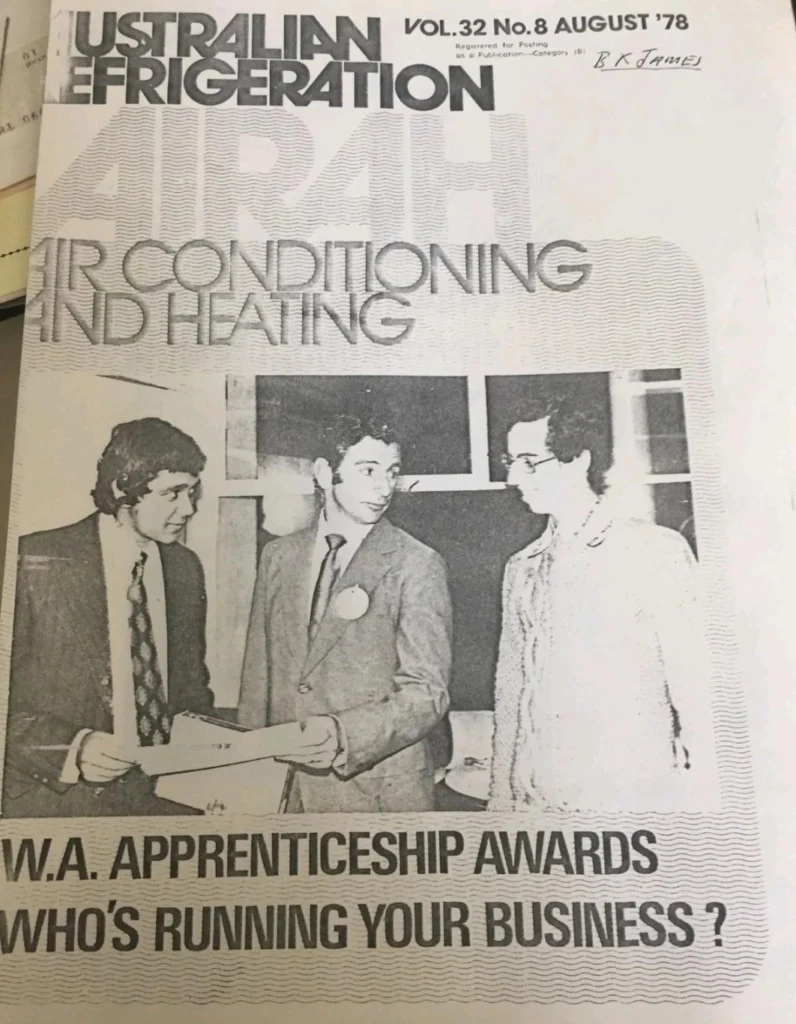
Images: from the AIRAH WA Branch archives.
PREV
NEXT
Comments
Advertisements
Recent news
- Beijer Ref appoints new CEO
- Building ministers pledge NCC modernisation
- Recognising and celebrating progress and change
Latest events
- Recognising and celebrating progress and change
- Adam Morgan shines in Shanghai
- IOR opens nominations for J&E Hall Gold Medal
Leave a Reply