 Laura Timberlake
Trades buck the national trend
Data released by the National Centre for Vocational Education Research (NCVER) has revealed construction trade qualifications continue to grow, despite an overall decline in VET enrolments.
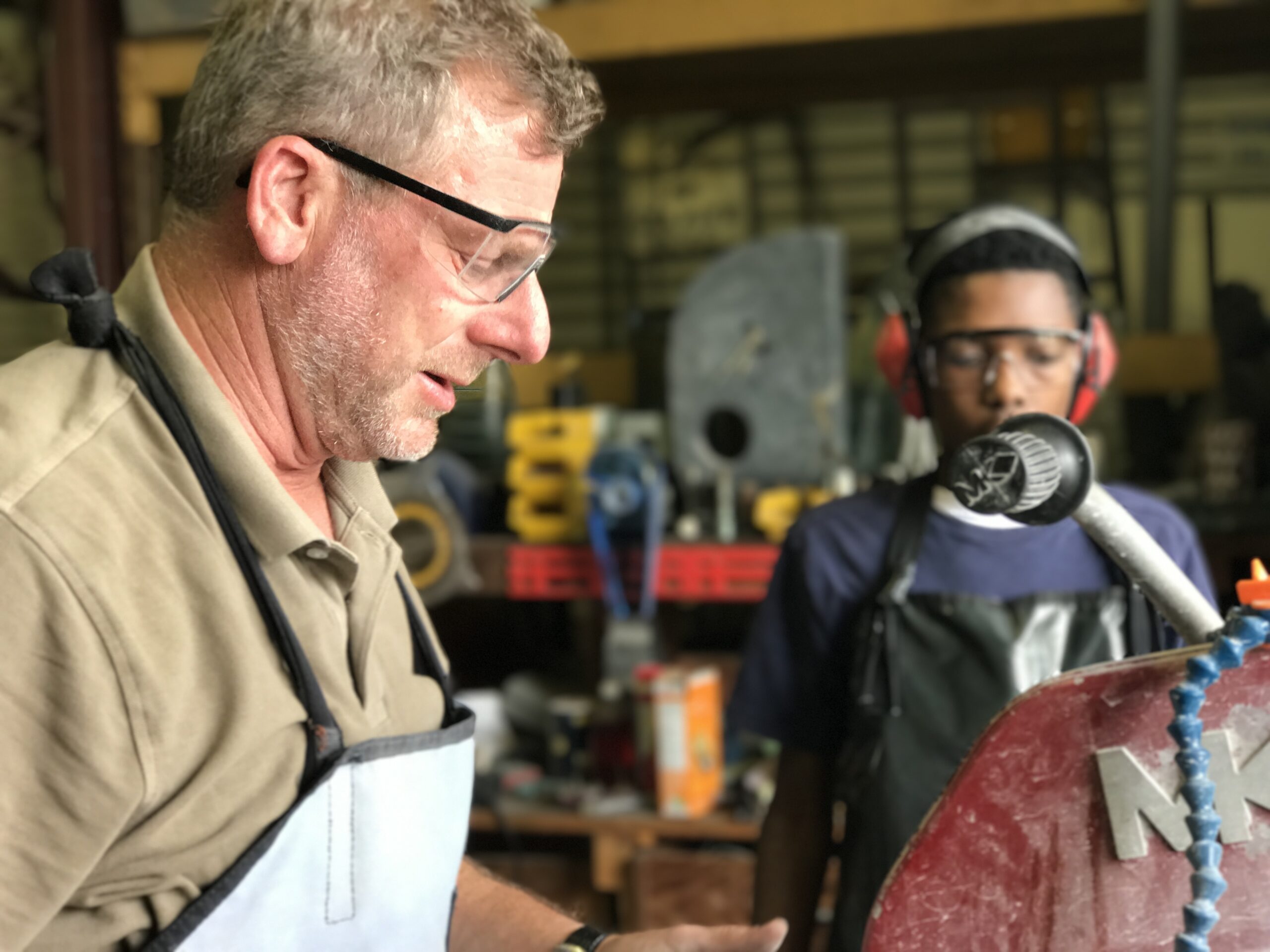
The Apprentice and trainee completion rates 2025 report provides a national overview of completion and attrition rates for apprentices and trainees across traditional trade-based and non-trade occupations.
According to NCVER, trade apprentices that commenced in 2019 reached a 58.7% completion rate, continuing the steady improvement in outcomes since the 2015 commencing cohort.
Completion rates for most priority groups remained below the overall trade apprenticeship rate, and the data shows overall qualification enrolments fell by more than five per cent in 2025. However, some of Australia’s largest trades recorded their strongest results.
Executive Director Future Workforce at the Housing Industry Association (HIA), Mike Hermon, says Architecture and Building was the only major field of education to record growth, with almost 14,000 additional enrolments.
“Construction, Plumbing and Services and Electrotechnology qualifications also posted strong gains,” he says.
“While qualification enrolments are falling across much of the VET sector, construction is moving in the opposite direction.”
The data shows trade apprenticeship pathways are changing, with a growing proportion of apprentices taking longer than the traditional four-year period to finish their training.
Small improvements were also recorded for female apprentices, Indigenous apprentices and apprentices from Languages other than English (LOTE) backgrounds.
NCVER Managing Director John King believes the results show more trade apprentices are completing their training.
“It is encouraging to see more apprentices completing qualifications,” says King.
“The results remind us that disparities in completion outcomes persist, highlighting the need for continued efforts to support apprentices who may face additional barriers to completion.”
The workforce needs to grow
HIA estimates Australia needs another 83,000 skilled tradespeople to deliver the homes Australians need.
“Getting more people through the front door is great news, but now we have to keep them there,” says Hermon.
“Around half of all construction apprentices don’t complete their training, so lifting completion rates must be the next priority.
“Housing is no longer competing for skilled workers within the construction sector alone. Residential building is now competing with major transport and energy infrastructure projects, defence programs, the transition to net zero, and the rapid expansion of data centres.
“Every one of these sectors is drawing from the same finite pool of skilled workers.
“We need targeted investment in apprenticeships, stronger support for the small businesses that train the overwhelming majority of apprentices, and long-term certainty around skills funding.”
Clean energy investment
The Australian and New South Wales Governments recently announced a $24.8 million investment that will help expand the clean energy training facilities in New South Wales.
According to Energy Skills Australia, a key component of the investment is the establishment of new electrotechnology training facilities at TAFE NSW Campbelltown, supported by a $3.6 million investment. The facilities will help meet growing demand for electricians and clean energy-related trades in south-west Sydney while allowing more students to train closer to home.
Additional training facilities will also be delivered at other TAFE NSW campuses; along with workforce development programs such as scholarships, workplace training and a pilot program to strengthen pathways into renewable energy careers.
Feature image courtesy of Rico Robinson from Pixabay.
PREV
NEXT
Comments
Advertisements
Recent news
- NZ announces refrigerant stewardship scheme
- Seeing all-electric stars in the NABERS Annual Report
- City Facilities Management secures decade-long Coles deal
Latest events
- Adam Morgan shines in Shanghai
- IOR opens nominations for J&E Hall Gold Medal
- Nominations open for IIR scientific prizes
Leave a Reply