 Mark Vender
Microbial control standards open for comment
Draft revised editions of AS/NZS 3666 Part 1 and 2 are now out for public review.
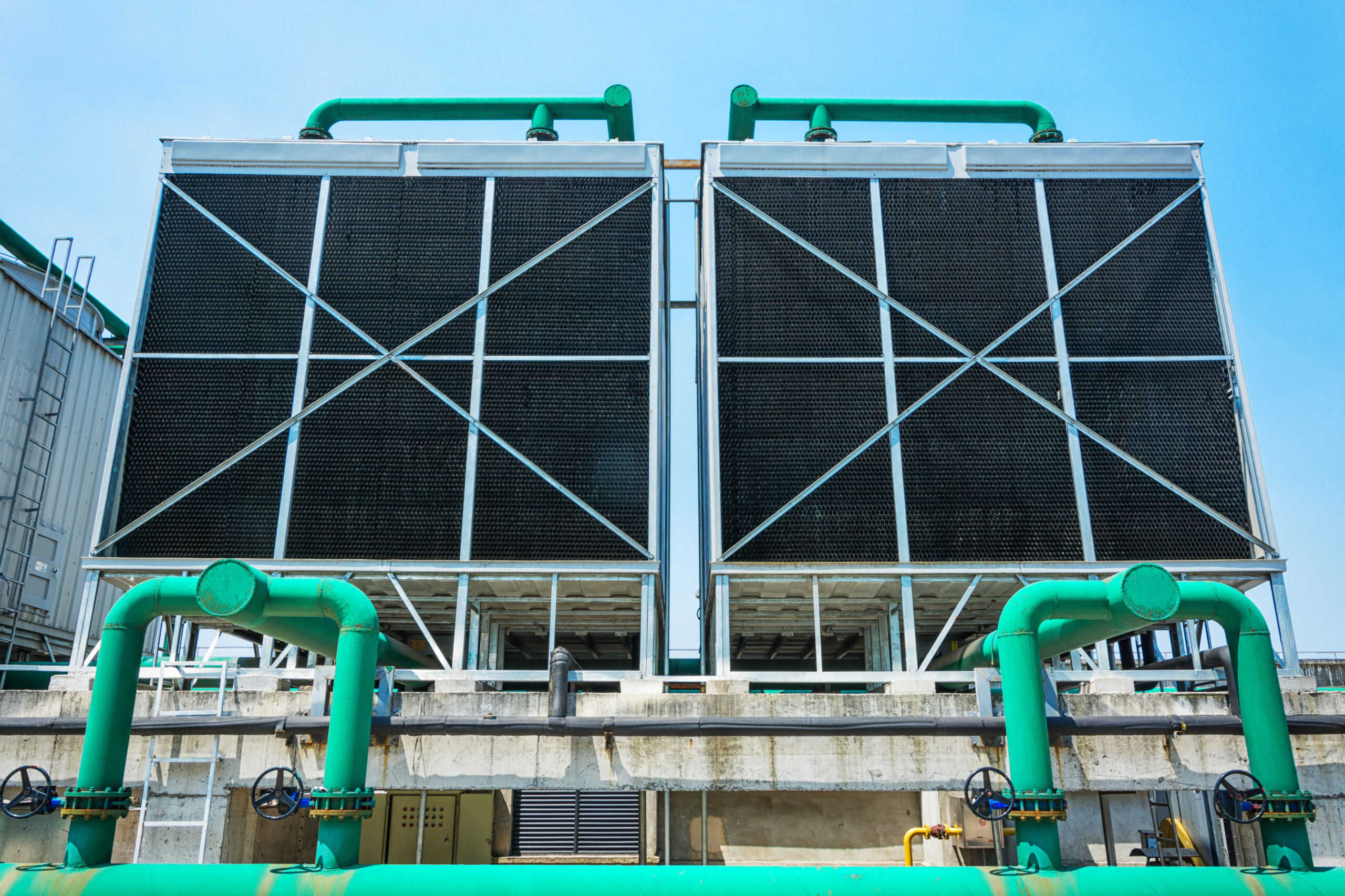
The two standards, last published in 2011, assist in the control of microorganisms in air-handling and water systems. They cover design, installation and commissioning (Part 1) as well as operation and maintenance (Part 2) of building systems for the purposes of microbial control. They are vital tools in managing risks for building occupants and workers – including risks associated with poor indoor air quality.
Part 1 is referenced in the National Construction Code, and Part 2 is called up in different ways in state and territory maintenance legislation.
Major changes include:
- Performance requirements have been replaced with quantified requirements to make the standards clearer
- A new definition of “high-risk location” has been added for cooling towers
- Refrigerated room air conditioners and non-ducted split systems have been included in the scope of both standards
- Updates have been made to the way routine service tasks are presented, and frequency of some routine tasks on air-handling systems have been revised
- Workplace health and safety matters not directly related to microbial control have been removed from both standards.
The joint Standards Australia and Standards New Zealand committee responsible for ventilation and air conditioning have revised the two standards ahead of this public release.
AS/NZS 3666.1 and AS/NZS 3666.2 are open for public comment until August 31, 2026, through the Standards Australia portal.
Call for consistency
Coinciding with the release of the draft standards, a new study from Flinders University has underlined the need to strengthen Legionella risk management across Australia by introducing uniform best practice across all states and territories.
The study offers a comprehensive comparison of Legionella-related legislation, regulations, codes of practice and policy frameworks across Australia, with New Zealand included as an international comparison.
The research team reviewed 91 documents, including 11 Acts and regulations, for consistency with World Health Organisation guidance on Legionella prevention and control. They found substantial variations across jurisdictions in regulatory scope, system registration requirements, and the structure and frequency of risk assessments.
Jurisdictions did, however, consistently recognise Legionella as a significant public health hazard. There was also referencing of AS/NZS 3666, and a common emphasis on risk-based management and routine monitoring.
According to the research team, the findings demonstrate the need for evidence-informed policy and national regulatory coherence to strengthen Legionella control and better protect public health.
“Some jurisdictions were found to apply more structured and comprehensive regulatory frameworks, including detailed risk management requirements, routine monitoring programs and clear notification processes,” says lead author, PhD candidate Crystal Kennett.
“Other jurisdictions adopt alternative approaches, often incorporating guidance documents, localised registers or risk informed approaches.”
Senior author Professor Harriet Whiley says this model demonstrates the value of alignment across regulatory domains while still allowing flexibility in implementation.
“Understanding where regulatory gaps and inconsistencies exist is an important first step in ensuring that prevention measures are evidence based, proportionate and effective,” she says.
Future research may look at how the different approaches affect outcomes.
The study is available at BMC public health.
PREV
NEXT
Comments
Advertisements
Recent news
- Adam Morgan shines in Shanghai
- Next-gen solar
- Shaping the future of Building Energy Performance standards
Latest events
- Adam Morgan shines in Shanghai
- IOR opens nominations for J&E Hall Gold Medal
- Nominations open for IIR scientific prizes
Leave a Reply