 Willow Aliento
 Mark Vender
Profitability, practicality and productivity win, but IAQ missed out
AIRAH welcomes many positive measures in the 2026 Budget, including those specifically supporting the engineering, property and construction sectors.
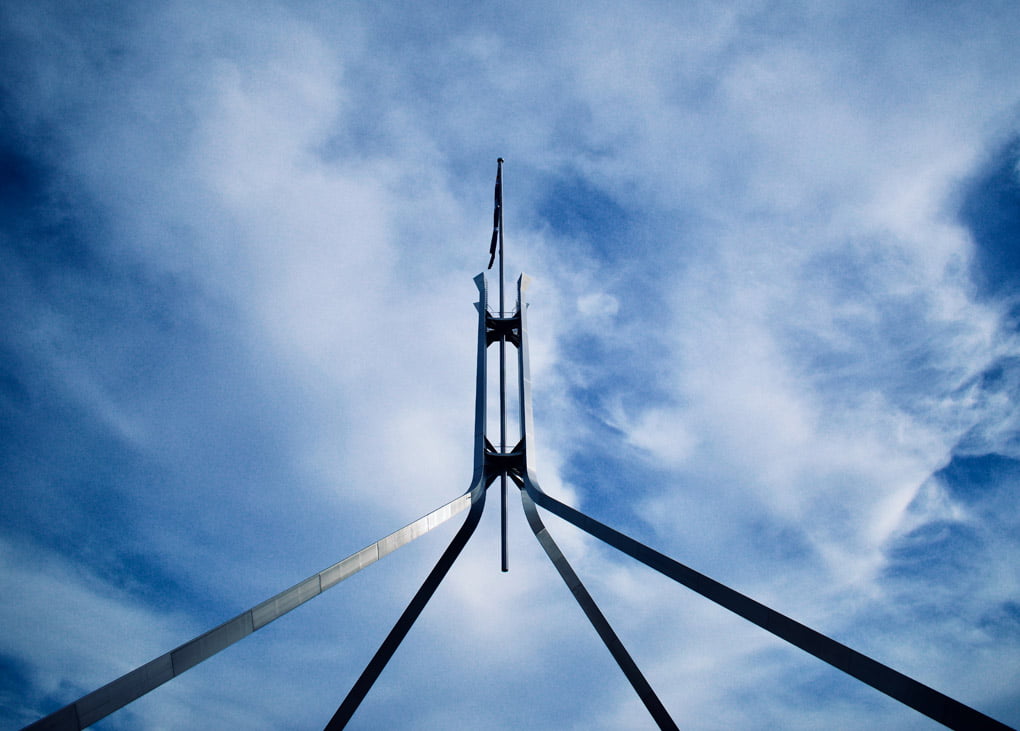
The Commonwealth Budget focuses on providing security in the face of international uncertainty, while still seizing the opportunity to rebalance the social equity books through tax reform. Productivity is also high on the agenda, with welcome measures to address some of the ongoing issues stakeholders in the heating, ventilation, air conditioning and refrigeration (HVAC&R) sectors encounter.
Key announcements relevant for HVAC&R include free access to Australian Standards, something industry has been requesting for many years. This will help improve construction quality and compliance, reduce the risk of defects, and trim operating costs for the small and medium-size enterprises that comprise approximately 98% of construction businesses.
Also welcome is committed investment to modernise and harmonise the National Construction Code, important measures to strengthen the workforce, and tax reform that will bring benefits to businesses.
“The announcement of funding to enable free access to referenced standards is wonderful news,” says AIRAH CEO Sami Zheng, Affil.AIRAH
The budget allocates $42.7 million over four years in ongoing grants to Standards Australia to provide free public read-only access to standards referenced in Commonwealth and state and territory legislation.
“As a member of Standards Australia that is very active in the standards development process and in standards education, AIRAH has advocated strongly for improved access.”
Zheng also highlights Budget announcements on the National Construction Code.
“Just as important as making standards accessible is ensuring they are called up in legislation. Otherwise, they remain voluntary. Currently, we have a fragmented system where some states are using old versions of the NCC and referencing superseded standards,” Zheng says.
“So, we applaud the funding incentives offered to states that deliver a genuinely national code. We also commend the government’s intention to pilot an AI-enabled digital tool to improve the use of the NCC.”
Addressing skills and credentials
The Budget contains important initiatives to strengthen the workforce through better licensing and skills recognition.
This included announcing a program of work to create a single national market for workers, including progressing national licensing, specifically noting electrical and engineering occupations as a priority.
This will be beneficial for HVAC&R subcontractors who work in multiple Australian jurisdictions and have been subject to onerous costs and additional administrative requirements to comply with varying state and territory requirements and regimes.
“AIRAH has long advocated for harmonised registration and licensing,” says Zheng, “and we look forward to exploring how these initiatives can strengthen the HVAC&R workforce.”
One of the major issues for the construction, engineering and trades sectors has been the ongoing shortage of skilled workers. The Budget clearly spotlights the migrant workforce as a potential source of new trades workers, with funding for a new program of skills assessments for onshore visa holders, ensuring their existing qualifications and practical trade experience are recognised for the purposes of gaining employment and meeting workforce shortages.
Zheng says it appears the government has been listening to the voices of industry. Consultation processes have clearly led to outcomes that are more than just position statements, they are becoming line items in the national accounts going forward.
“When we see engagement on the National Construction Code or mutual recognition that results in action, it builds trust in government and gives industry a channel where we feel confident to give support. We are stronger working together.”
Bonuses for business
For trade subcontractors and independent HVAC&R consultants, the permanent extension of the $20,000 instant asset write-off for small businesses with turnover up to $10 million will be a welcome support.
In addition, the government is expanding a pilot of dynamic pay as you go (PAYG) instalment calculations and expanding access to monthly payments. This will help ease the cashflow burden of substantial quarterly payment obligations, and ensure SMEs can more effectively align invoicing and disbursements.
The news many so-called “nuisance tariffs” will be abolished also mentioned air conditioners as an example, something that is a direct positive for the HVAC&R sector. It may also improve affordability for retrofitting homes, schools, public venues and businesses for effective cooling as part of climate change adaptation strategies.
Because HVAC&R is at the nexus of the climate-energy transition, innovation in products, technology, design and ongoing operation is essential.
“The suite of reforms to the R&D tax incentives is something some of our members and stakeholders may find extremely beneficial to support testing and pilots of the solutions our society needs,” Zheng says.
Zheng also commends the $17 million to continue delivery of the government’s circular economy policy, as well as the larger investment of $97.2 million to the National Consumer Energy Resources Roadmap, including establishing a National Technical Regulator.
“We are keen to support this work,” she says, “particularly in relation to appliances that help control loads, such as air conditioners and water heaters.”
Competing Priorities
While acknowledging the positives in the Budget, AIRAH has identified some critical issues that remain neglected in terms of targeted funding and sustained attention.
Chief among these, according to Zheng, is the need to lift the quality and performance of our existing building stock.
“While the focus is understandably on new buildings, particularly housing, we know the biggest challenge to fulfilling our net zero commitments is in existing buildings,” she says. “We continue to support the initiatives announced in previous budgets for strengthening disclosure systems like NABERS and NatHERS.”
Zheng says AIRAH members will also be disappointed by the government’s continuing failure to recognise indoor air quality (IAQ) as a priority issue.
“Alongside the energy and thermal performance aspects of improving existing buildings, greater support for addressing indoor air quality is crucial,” Zheng says.
“IAQ cuts across health, education, commerce and quality of life. Investment in IAQ through improved measurement and tools, and embedding air quality standards in relevant codes and guidelines could make Australia more resilient, improve productivity and protect community wellbeing.” Post content goes here
PREV
NEXT
Comments
Advertisements
Recent news
- Beijer Ref appoints new CEO
- Building ministers pledge NCC modernisation
- Recognising and celebrating progress and change
Latest events
- Recognising and celebrating progress and change
- Adam Morgan shines in Shanghai
- IOR opens nominations for J&E Hall Gold Medal
Leave a Reply