 Willow Aliento
Which cities are best for HVAC&R trades?
Who doesn’t love a bit of a capital city competitive league table? Trade job management software developer, Fergus, recently looked into which cities are the most lucrative for HVAC&R.
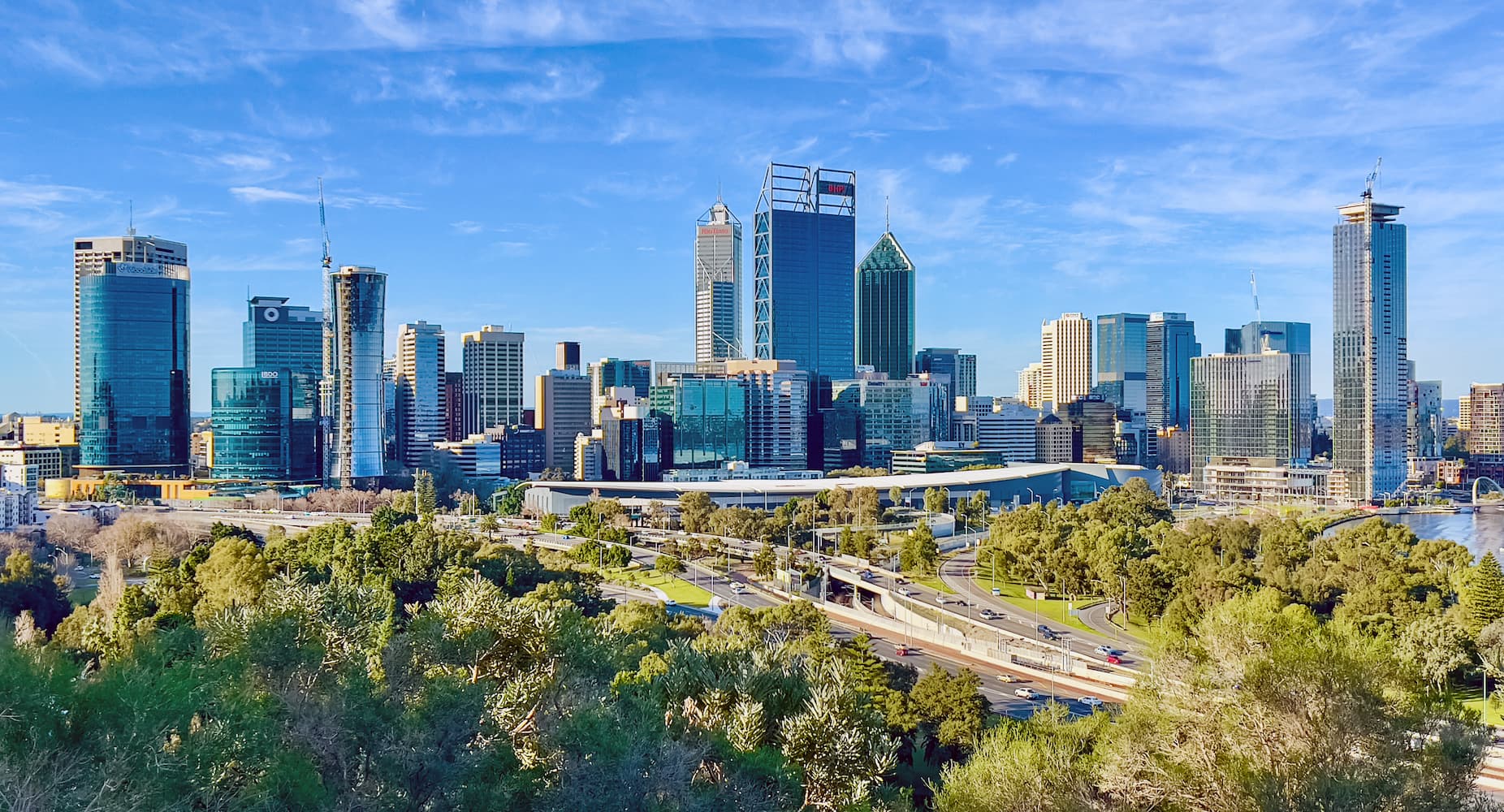
According to data gathered by software company Fergus, Perth ranks as the top capital city in Australia for HVAC&R trade businesses in terms of work demand, tradie incomes, market structure, market conditions and business profitability.
The survey looked at firms working in the areas of air conditioning installations, maintenance and repair. Perth’s score reflects a combination of climate factors, population growth and activity in the residential development sector.
Greater Sydney came in at number two spot, followed by Greater Adelaide (3rd), Greater Melbourne (4th) and the ACT ranked 5th, with Greater Brisbane ranked at 6th despite its cooling-dependent climate. Greater Hobart and Greater Darwin did not get indexed.
The index was calculated based on indicators grouped into three categories representing different aspects of trade business performance:
- Demand and Market Opportunity (40%) – Measures the level of available work and the likelihood of converting quotes into paid jobs.
- Profitability and Financial Viability (35%) – Captures financial outcomes such as income levels, business growth, payment speed and operating costs.
- Market Structure and Stability (25%) – Reflects structural characteristics of the local trade market, including seasonal demand patterns and the share of owner-managed businesses.
Perth scored high on all three metrics, including averaging 7-day payment times. Greater Sydney had a higher volume of work, but generally companies had tighter cashflow, and while Greater Hobart was not indexed, the data on income showed it had the highest average tradie incomes of any city.
CEO of Fergus, Mark Bartels, says job opportunities in the sector will continue to grow, and AI is unlikely to replace skilled people any time soon.
“Everyone’s talking about AI taking jobs. Some of it is scare tactics, some of it is real,” he says.
“In the long run, the robots are coming. We’ll work alongside them, using automation to do more, lower costs, and improve safety. But we consistently overestimate what happens in the short term and underestimate what happens over the long term.”
Bartels notes that right now Australia is short around 90,000 tradies, and the gap is widening as people retire.
“ChatGPT isn’t fixing your burst pipe at 2am or crawling through your roof with a torch looking for a leak. Electricians in Melbourne are seeing double-digit growth in demand,” he says.
“These aren’t jobs at risk. The real risk is that we don’t have enough trained professionals coming through. Tradies are the backbone of the real economy, and right now they’re some of the most in-demand, future-resilient careers in the country.”
Check out the complete dataset and market and analysis here.
PREV
NEXT
Comments
Advertisements
Recent news
Latest events
- South Australia’s HVAC&R Stars
- Making ripples, tending waves
- Recognising and celebrating progress and change
Leave a Reply