 Mark Vender
 Laura Timberlake
NSW school study reinforces IAQ concerns
The University of NSW (UNSW) has released the findings of a study monitoring air quality conducted at 59 schools across Sydney, Newcastle and Wollongong.
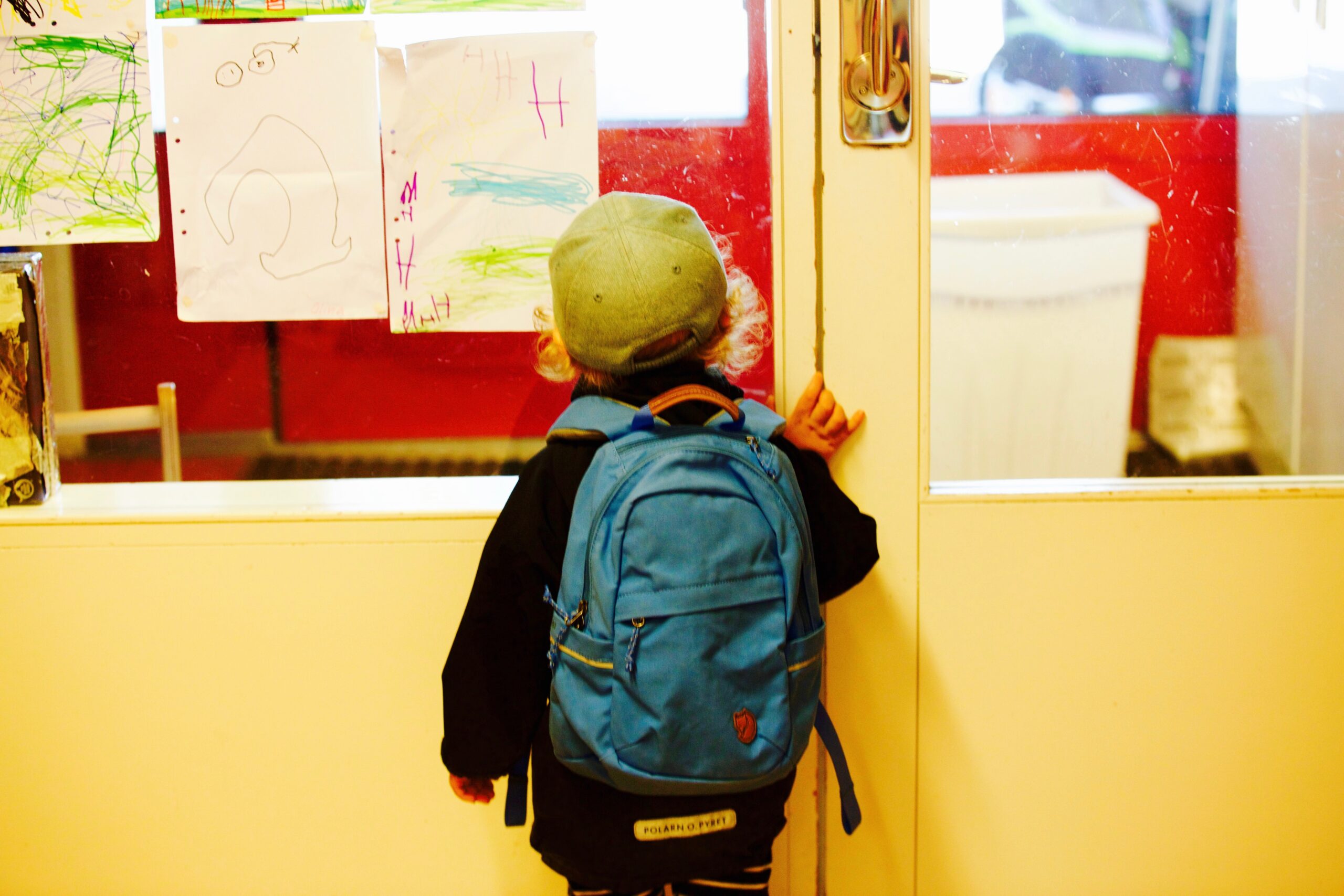
The Clean Air Schools study was a joint initiative between the Department of Education and UNSW conducted between 2023–2025. Although the report was finalised last year, it has only recently been released on the back of the NSW Parliamentary Inquiry into Clean Indoor Air.
Air quality sensors and weather stations were installed both in classrooms and outdoors at 59 schools to measure levels of particulate matter 2.5 microns or less in diameter (PM2.5 indoor and outdoor), nitrogen dioxide (NO2 outdoor, for urban schools), and carbon dioxide (CO2 indoor).
The report found that most classrooms exceeded the recommended 850ppm CO₂ threshold at some point during the school day. While most of these high levels were temporary, there were some classrooms that consistently recorded levels above the recommended amount.
Classrooms that had natural cross-ventilation and/or were participating in the Cooler Classrooms Program were found to have lower CO2 levels.
Indoor and outdoor measurements of PM2.5 largely remained below current NSW government thresholds for annual and daily exposure. The research team noted, however, that NSW experienced relatively good air quality during the monitoring period, with few bushfires and limited hazard reduction burn activity. High indoor levels of PM2.5 were observed in some classrooms, possibly due to indoor sources of air pollution being present for short periods.
Almost half of the 27 schools monitored for outdoor NO2 exceeded the NSW government yearly threshold, while five schools had hourly NO2 concentrations that breached the NSW hourly threshold. The latter is of concern, given that short-term exposure to high levels is seen as most dangerous.
Speaking at the third hearing of the NSW Parliamentary Inquiry, Lisa Harrington, Deputy Secretary, School Infrastructure, NSW Department of Education, suggested that the report did not highlight major issues with IAQ.
“Particulate matter largely remained below the current New South Wales Government thresholds for annual and daily exposure,” she said. “For nitrogen oxide, for the most part, monitored schools rarely experienced outdoor nitrogen oxide concentrations that posed an elevated threat to students or staff.
“Generally, the report says that most classrooms did not exceed the 850 parts per million CO2 threshold for most school hours, but there were some classrooms that did have elevated results.”
Despite this positive reading of the report, mainstream media has highlighted the issues revealed by the report. The Sydney Morning Herald highlighted that almost a third of the classrooms monitored had CO2 levels not considered optimal for learning “most of the time”.
Harrington and other representatives from the NSW Department of Education were due to present evidence again at the fourth hearing of the inquiry, held this week.
Many of the submissions to the inquiry so far have highlighted the need to improve IAQ in schools. Stakeholders such as the NSW Teachers Federation Branch of the Australian Education Union noted the impact on students as well as teachers. During the first three hearings, evidence was presented reinforcing these concerns.
“A large percentage of government and systemic Catholic school buildings in New South Wales fail to provide adequate ventilation,” said Adjunct Professor Geoff Hanmer in his opening statement in the first session on March 16. He emphasised the reliance on natural ventilation in classrooms – and the failure of the current provisions in the National Construction Code for high-occupancy spaces like classrooms.
“Peak levels in classrooms are measured to exceed 3,000ppm CO2 on a regular basis,” said Hanmer, “far above the goal of 800 ppm set by many regulatory bodies.”
PREV
NEXT
Comments
Advertisements
Recent news
- Adam Morgan shines in Shanghai
- Next-gen solar
- Shaping the future of Building Energy Performance standards
Latest events
- Adam Morgan shines in Shanghai
- IOR opens nominations for J&E Hall Gold Medal
- Nominations open for IIR scientific prizes
Leave a Reply