 Laura Timberlake
New study quantifyies global CO2 reduction
ASHRAE has released a new study from the University of New Hampshire (UNH), USA, that quantifies the global CO2 reduction enabled by the ASHRAE Building Automation and Control Networking Protocol (BACnet).
BACnet is the global data communication protocol for Building Automation and Control networks. Developed under the auspices of ASHRAE, it allows building systems including heating, ventilation, air-conditioning, lighting, life-safety and other systems to communicate and cooperate, driving the efficiency in the built environment.
The study reveals that BACnet-enabled building automation systems have mitigated 1.4 billion tons of CO₂ since 1995 – the equivalent to removing 300 million cars from the road for one year or offsetting the entire annual emissions of Japan.
2025–26 ASHRAE President Bill McQuade says the study clearly shows the power of smart buildings and the critical role BACnet plays in reducing global carbon emissions.
“For nearly three decades, BACnet’s open, interoperable framework has enabled building owners and operators to optimise energy use, improve efficiency and deliver measurable climate impact,” he says.
The research highlights BACnet’s role as a catalyst for smart building adoption worldwide.
Projections indicate that BACnet systems could help avoid 2.06 billion tons of CO₂ by 2030, underscoring the critical role of smart, connected building technologies in achieving global sustainability goals.
“ASHRAE is proud that our standards and technologies are helping drive the transition to a low-carbon future, proving that the built environment can be a true leader in sustainability,” says McQuade.
The full study can be downloaded from the ASHRAE free resources page.
Feature image courtesy of:
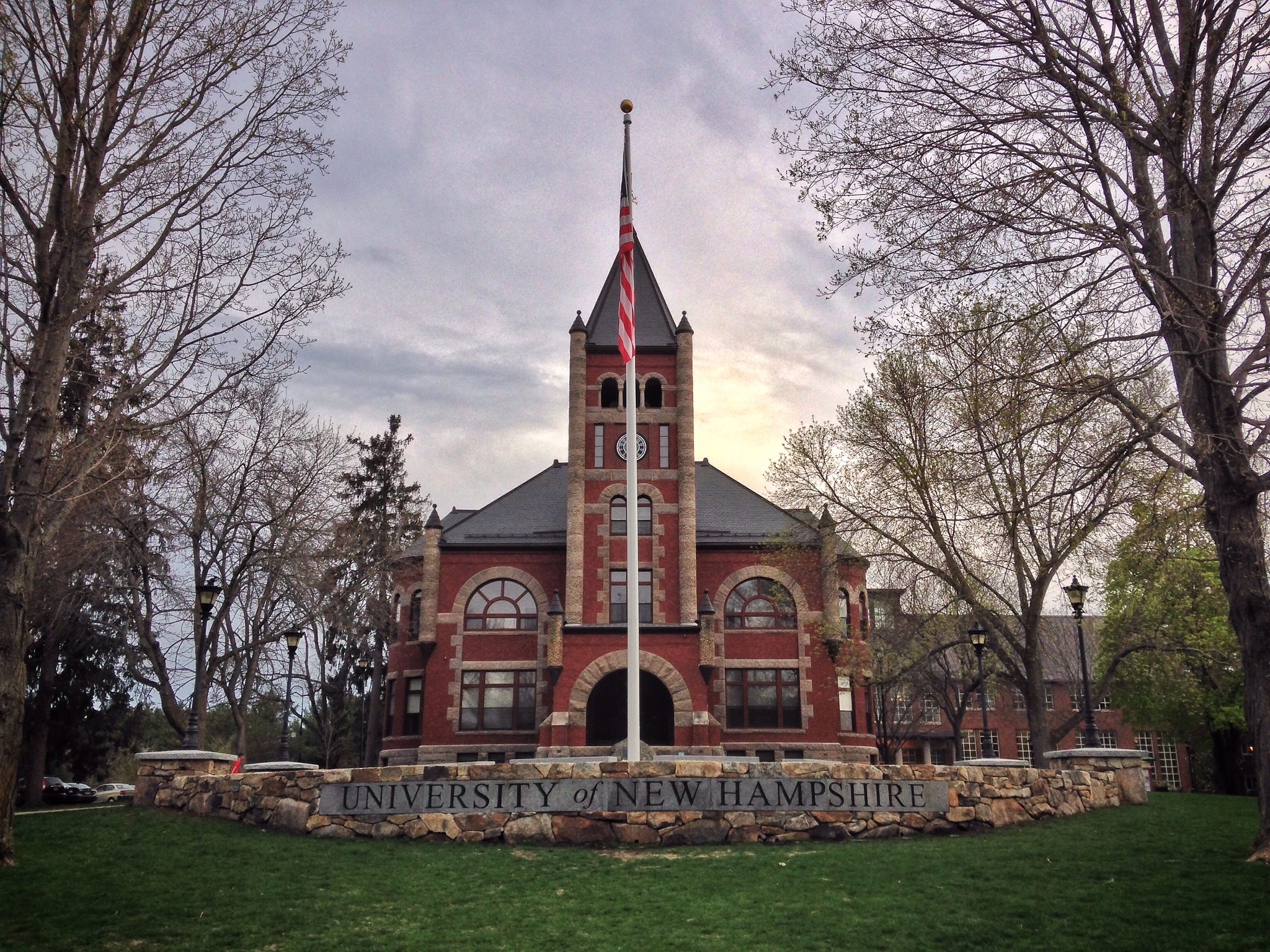
“University of New Hampshire” by drocpsu, CC BY-NC-ND 2.0PREV
NEXT
Comments
Advertisements

Recent news
- A2EP reveals a “hidden energy transition”
- NZ announces refrigerant stewardship scheme
- Seeing all-electric stars in the NABERS Annual Report
Latest events
- Adam Morgan shines in Shanghai
- IOR opens nominations for J&E Hall Gold Medal
- Nominations open for IIR scientific prizes
Leave a Reply