Page 1
Tag: DCCEEW
-

The Kigali climb – Managing risk in Australia’s ongoing refrigerant transition
The 10-year milestone of the Kigali Amendment is a fitting moment to reflect on the HFC phase-down journey so far – and what lies ahead. For Australia, this means re-examining key policy settings and industry practices relating to refrigerants with high global warming potential (GWP) to ensure early progress is matched by future successes.
-

Solstice Advanced Materials launches R-134a retrofit concept
Specialty materials manufacturer Solstice Advanced Materials has launched an aftermarket solution that will enable the conversion of existing R-134a vehicle air conditioning systems to Solstice® YF (R-1234yf).
-

Farewell Climate Active – but what next?
Have your say: The Department of Climate Change, Energy, the Environment and Water (DCCEEW) is holding a consultation on the closing of the Climate Active carbon neutral certification scheme.
-
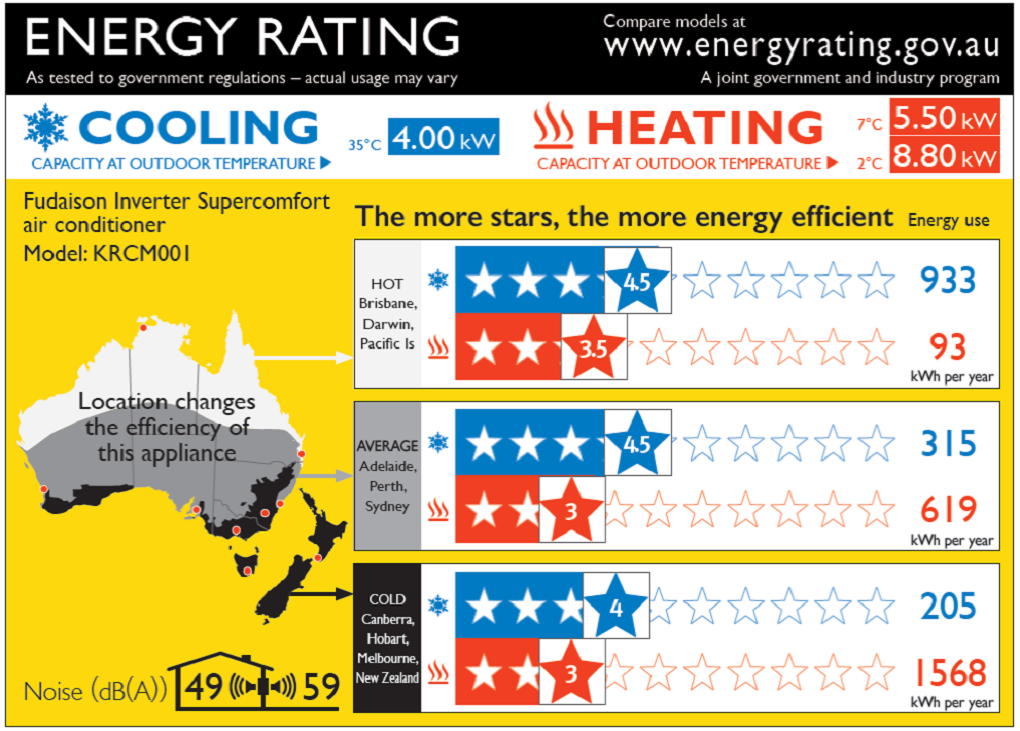
Improving the reliability of energy ratings for air conditioning
Revisions are now likely to the standard underpinning air conditioner seasonal energy efficiency performance, following a review by the Department of Climate Change, Energy, Environment and Water (DCCEEW).
-
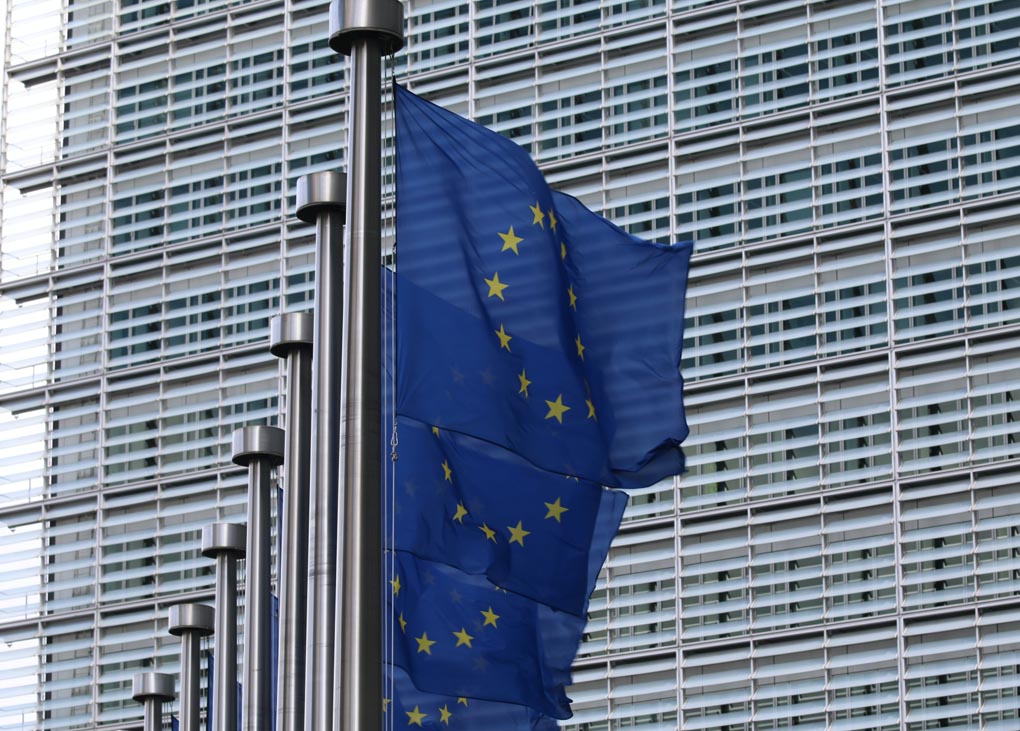
Changes to EU carbon tax on imports
The European Union’s Carbon Border Adjustment Mechanism is set for changes to address loopholes and blind spots in the current legislation.
-

ARC launches RHL support pilot program
The Australian Refrigeration Council (ARC) has launched a pilot program to provide practical education and on-site support for independent refrigerant handling licence (RHL) holders.
-

ARC releases 2024–25 Permit Scheme Annual Report
The Australian Refrigeration Council (ARC) has published the 2024–25 Annual Report for the Refrigeration and Air Conditioning (RAC) Permit Scheme.
-
CBD Program roadmap offers clear pathway to reducing emissions
The Commonwealth Department of Climate Change, Energy, the Environment and Water (DCCEEW) has released a policy roadmap describing how the Commercial Buildings Disclosure (CBD) Program will be expanded over the next decade to deliver major reductions in emissions.
-
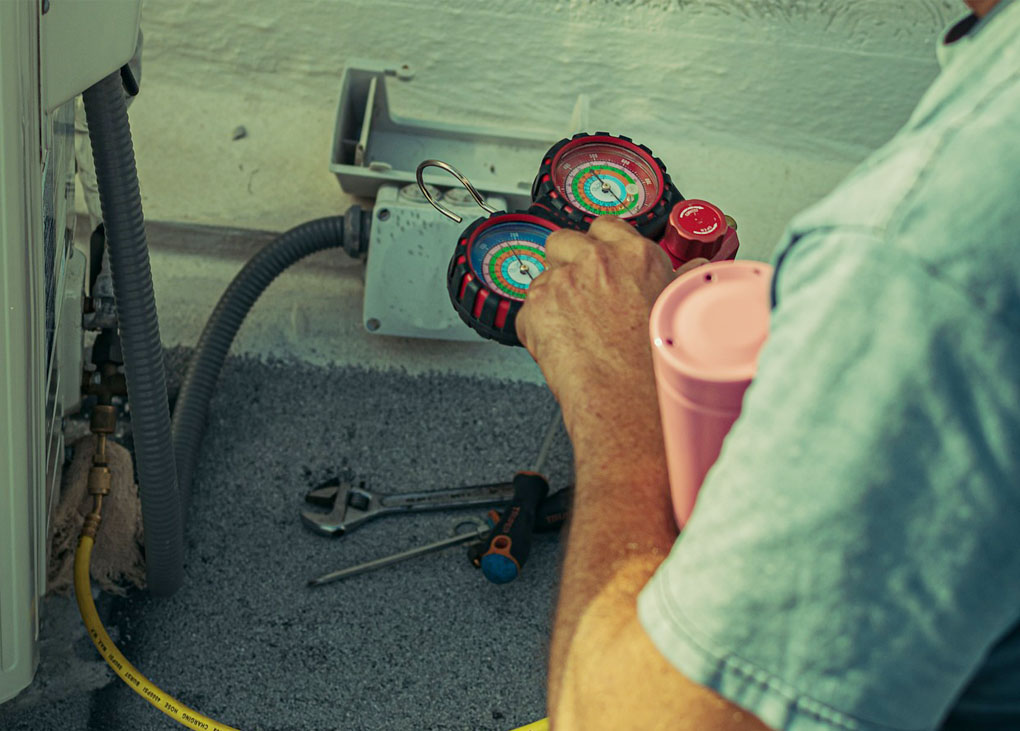
ARC to launch retail safety and confidence program
The Australian Refrigeration Council (ARC), with support from the Department of Climate Change, Energy, the Environment and Water (DCCEEW), will be launching a retail engagement program in November 2025.
-
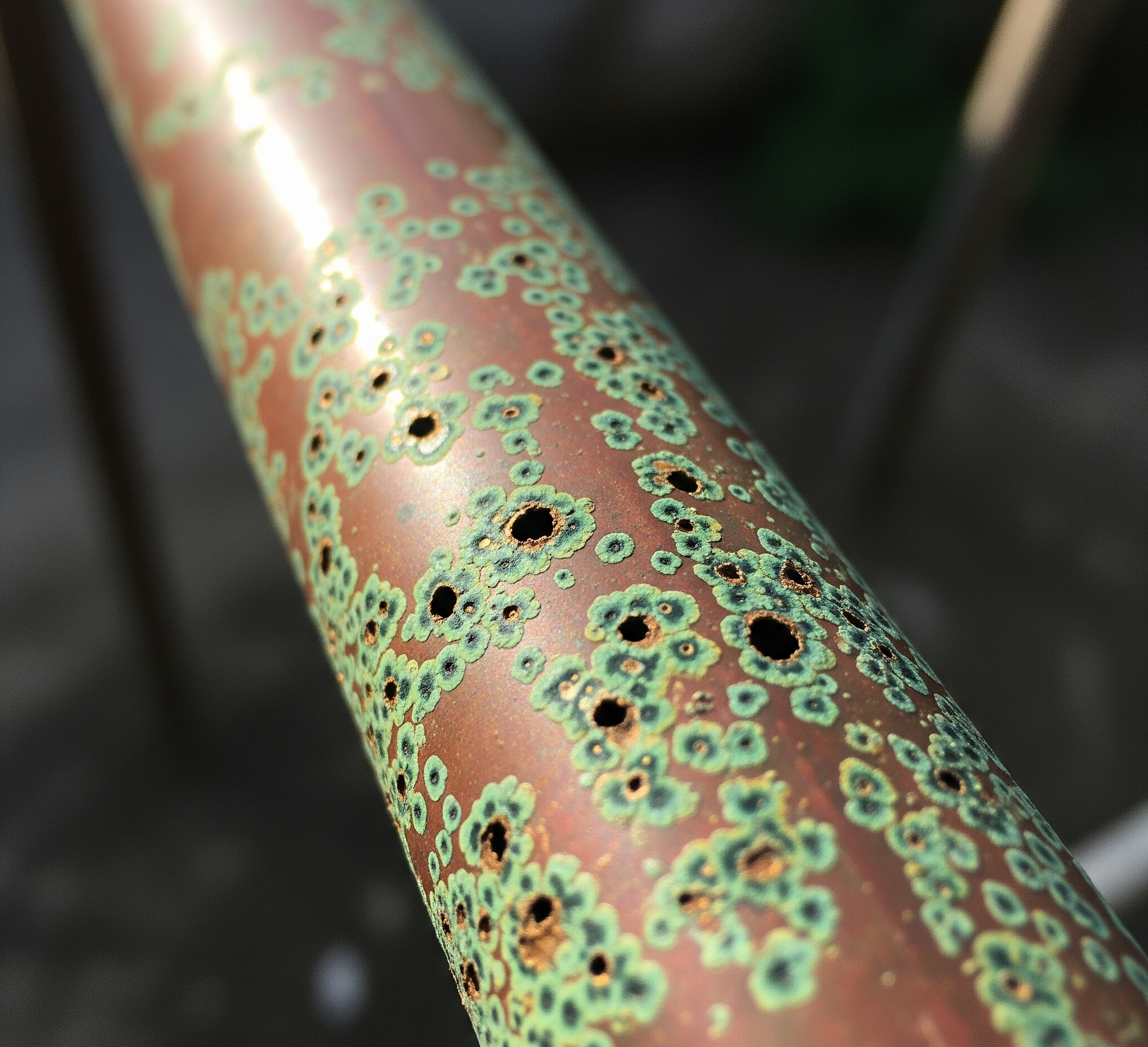
The pair coil problem
Louise Belfield investigates recent problems with pair coil that have caused frustration and financial losses for Australian fridgies.
-
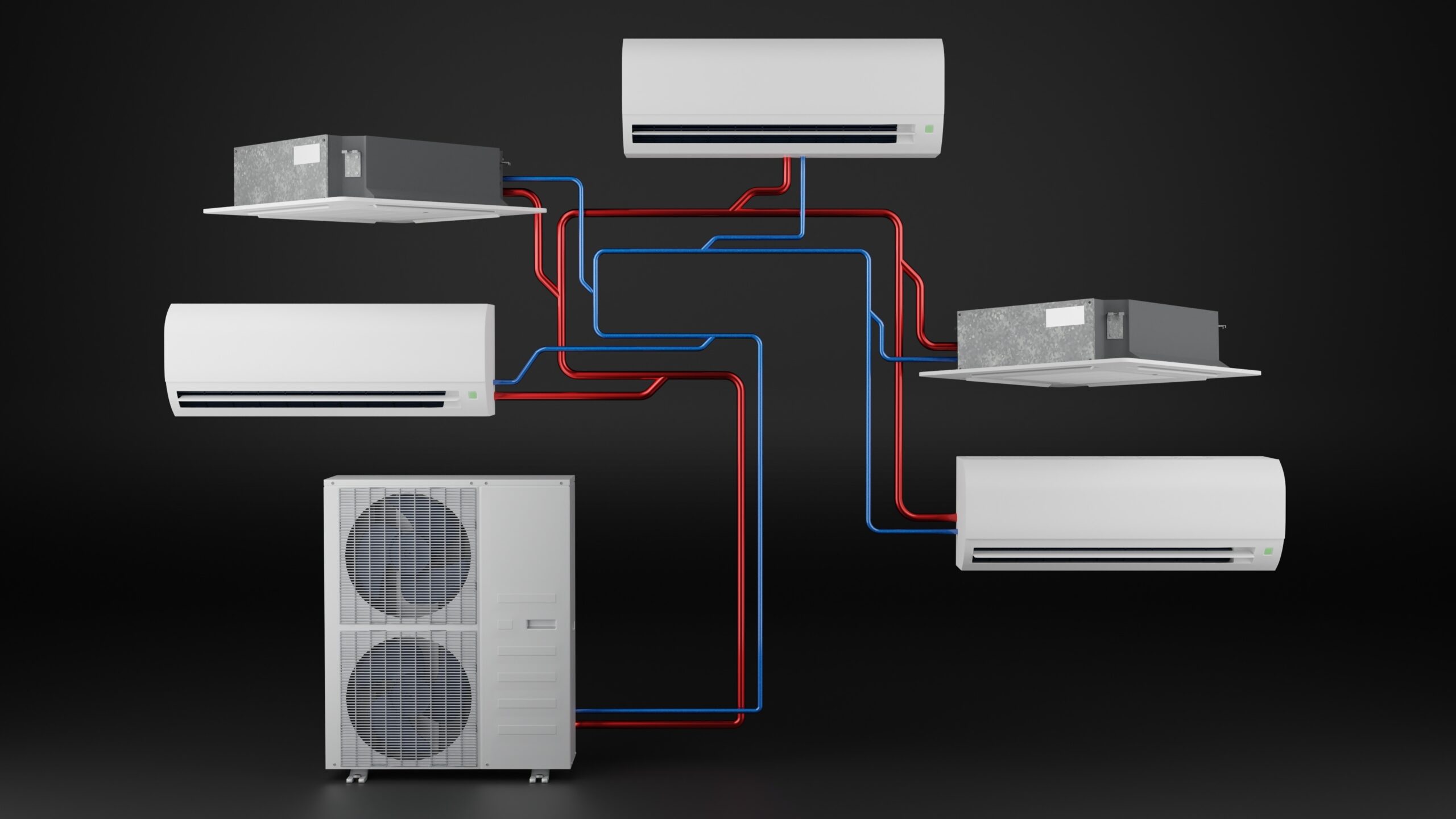
New restrictions for multi-head splits and VRF systems
From July 1, 2025, Australia is implementing a general ban on the import and manufacture of multi-head split and VRF systems that use refrigerant with a global warming potential (GWP) over 750 and have a refrigerant charge of 2.6kg or less.
-

Government releases details of HFC import quotas
The Department of Climate Change, Energy, the Environment and Water (DCCEEW) has released information about the allocation of non-grandfathered HFC import quotas for 2026–27.
-
New automotive qualifications recognised for refrigerant handling licence
The DCCEEW has recognised qualifications for automotive industry professionals who require a licence to handle refrigerants safely.
-
Last chance to comment on permit schemes
The Refrigeration and Air Conditioning Permit Scheme and Fire Protection Permit Scheme are open for comment until February 28, 2025.
-
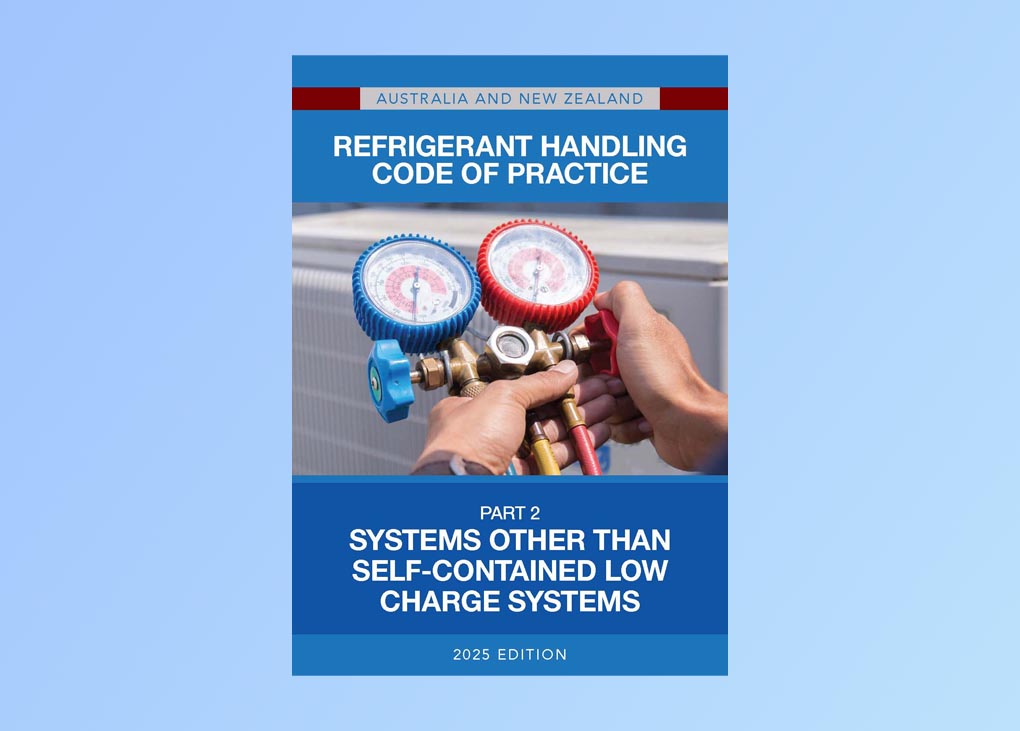
New Refrigerant Handling Codes of Practice published
New editions of the Australian and New Zealand Refrigerant Handling Codes of Practice are now available.
-
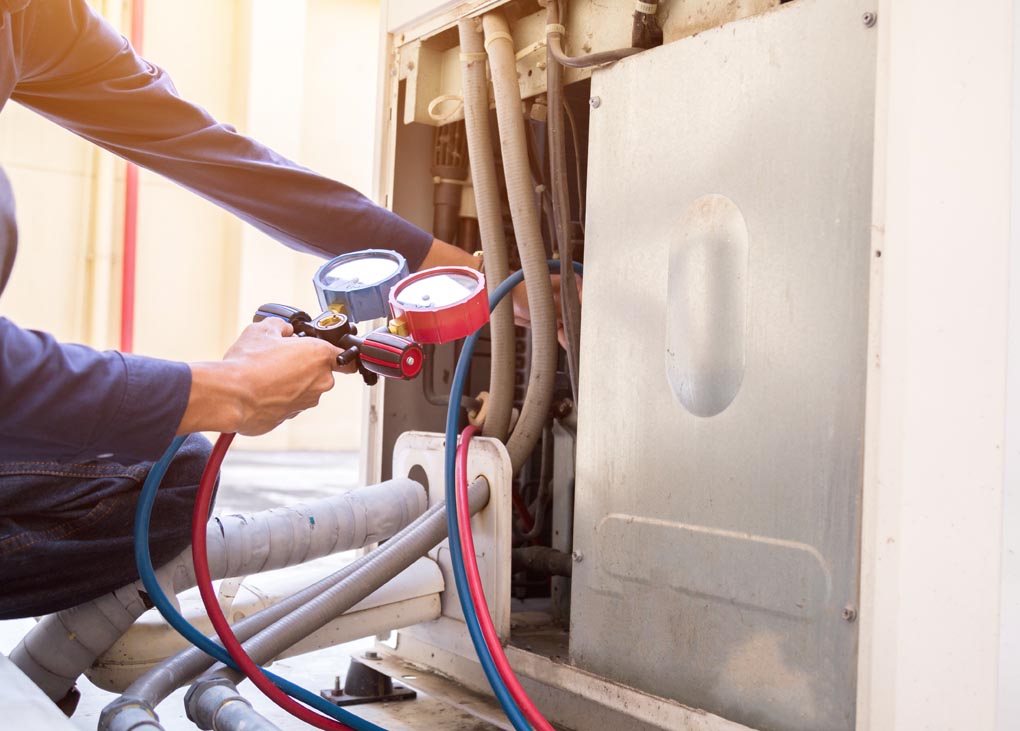
Have your say on Australia’s licensing scheme
DCCEEW is inviting permit holders, industry bodies and other stakeholders to share feedback to help enhance the implementation of the RAC permit scheme.
-
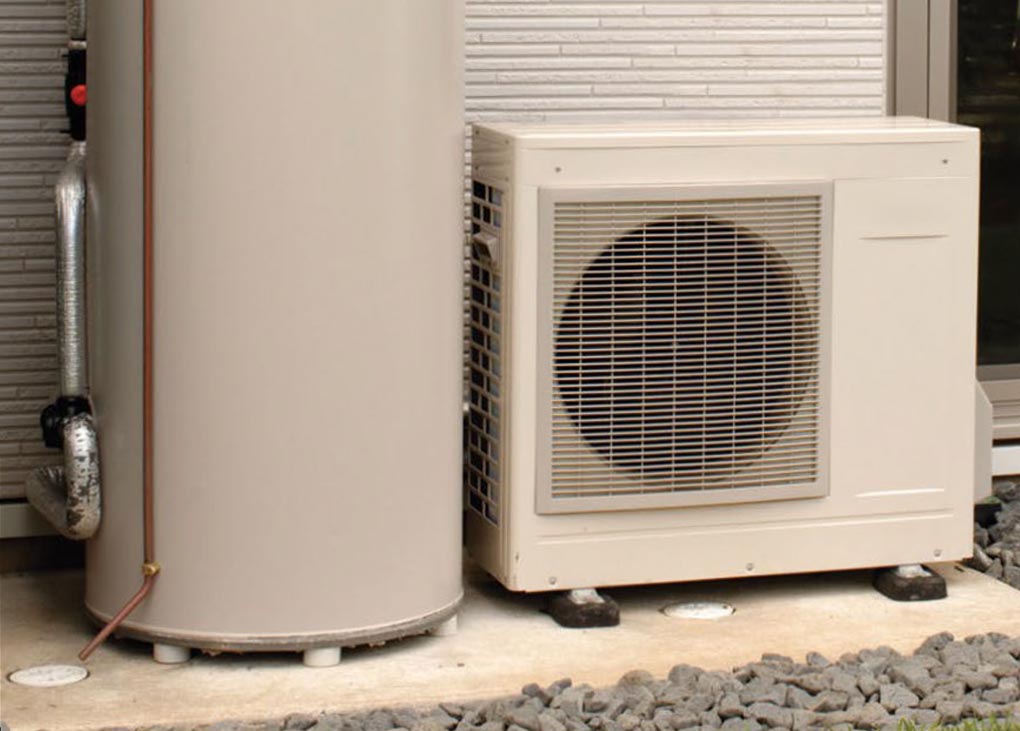
Licence requirements for hot water heat pumps
The ARC and DCCEEW have published a new fact sheet covering the licence requirements for hot water heat pumps.
-

Next step to establishing home energy ratings
Energy ministers have released Version 2 of the Home Energy Ratings Disclosure Framework, which sets out a national approach to implementing disclosure schemes. The framework defines: The second version of the framework has been developed in collaboration between Australian, state and territory governments, as well as industry and community group stakeholders. Energy Ministers also released […]
-
Government seeks industry views on CBD expansion
The Commercial Buildings Disclosure (CBD) Program is set to expand – and government is running a series of webinars to gather industry input.
-
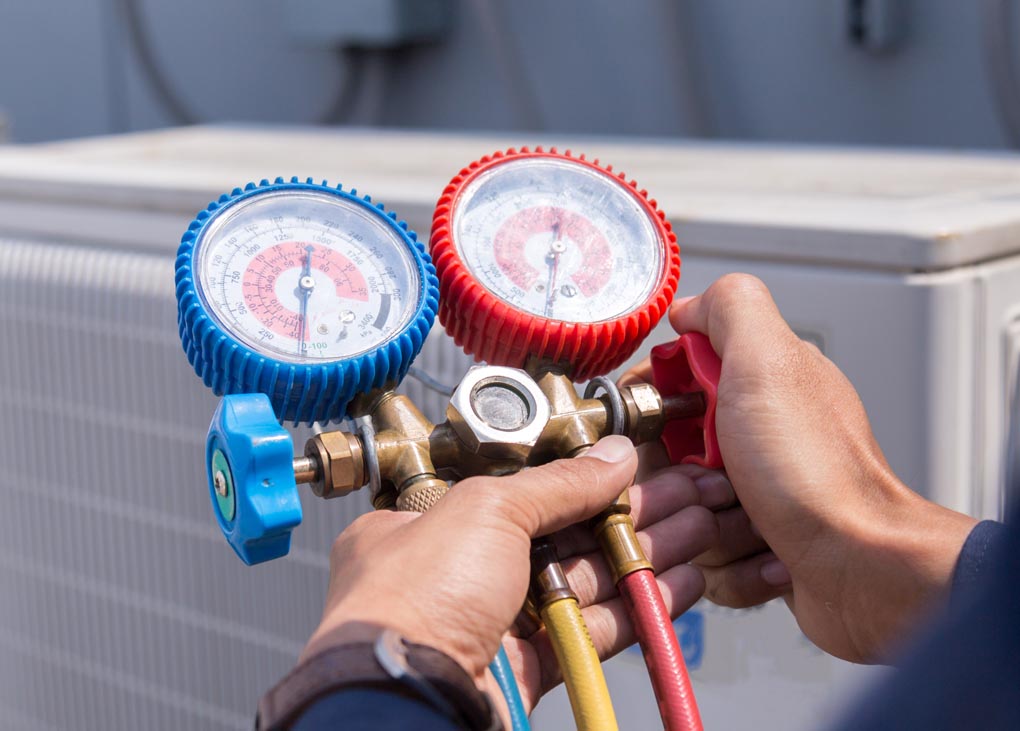
Have your say on best practice for refrigerant handling
Australia’s Refrigerant Handling Codes of Practice are being updated, and the revised versions are now open for public comment.