 Willow Aliento
Warning bells for supply chains
Latest updates from the World Meteorological Organization (WMO) indicate El Niño is now established, and experts including the Asian Development Bank are warning the escalating event could have major impacts on global supply chains.
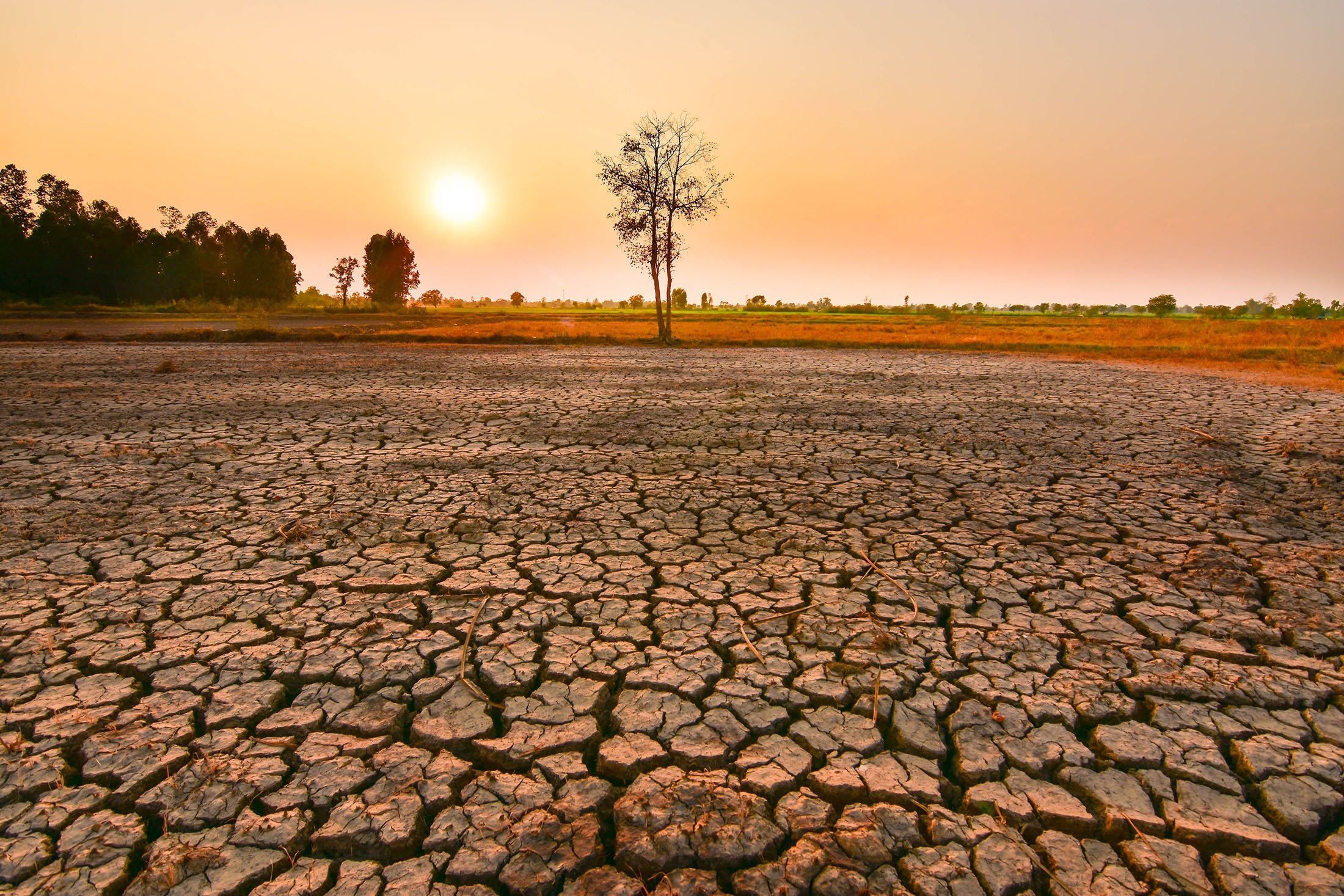
WMO states the El Niño is expected to intensify into one of the strongest events seen in recent decades. The impacts vary across geographies and climate zones. In the temperate parts of the Northern Hemisphere, extreme rainfall patterns and flooding are expected. In Australia, extreme heat and elevated risk of bushfire and cycles are indicated.
WMO also says its Global Producing Centres indicate a nearly 100% likelihood that El Niño will persist through to February 2027.
“El Niño is being supersized before our eyes. The science leaves no room for doubt: the planet is in uncharted waters, and those waters are heating up,” says UN Secretary-General António Guterres.
“Sea surface temperatures are rising, temperatures keep climbing, and the world is in the danger zone of extreme weather. The race now is between rising risks and our commitment to take climate action and protect people. We must win that race.”
For the global economy, potential impacts include the financial cost of disaster impacts such as storm damage, food supply disruptions, and cost increases and delays in global freight and shipping due to storm activity.
“El Niño in Spanish means boy child – but it has the potential to deliver a massive blow to communities and economies across the world,” says WMO Secretary-General Celeste Saulo.
“We are already seeing disruption and devastation from droughts and floods and we expect these impacts to increase as El Niño intensifies.”
- Read the full WMO article here
Oxford Economics is predicting the emerging Super El Niño season could lead to immediate global financial losses of US$986 billion (approximately $1.4 trillion Australian dollars) in 2027. It further predicts losses will continue to compound into the early 2030s, driven by investment collapses and supply chain disruptions.
The Asian Development Bank warns that the climate system adds to pressures already being felt due to geopolitical instability beyond our region.
“Persistent conflict in the Middle East and the renewed escalation of Russia’s war in Ukraine have broadened energy market disruptions beyond crude oil to refined products and shipping routes, raising costs for households and businesses. A very strong El Niño adds to these pressures, threatening harvests and hydropower generation and compounding the delayed effects of higher fertiliser and energy prices,” ADB President Masato Kanda writes in the Asian Development Outlook, 2026.
“Regional cooperation makes these efforts more effective. More reliable supply chains, better connectivity, and simpler trade procedures leave economies less exposed when disruption strikes elsewhere. Cooperation on food and energy security is especially urgent given the shocks now facing the region.
“These pressures also expose a deeper vulnerability. Many economies in the region remain heavily dependent on imported energy, which means disruptions elsewhere can quickly become price shocks at home. Reducing that exposure is a long-term task: expanding renewable capacity, improving energy efficiency, and building infrastructure that can withstand severe weather. Much of the financing must come from the private sector. That requires predictable policies and financing tools that make projects investable.”
- Read the full outlook here
PREV
NEXT
Comments
-
thanks for info.
Advertisements

Recent news
- Seeing all-electric stars in the NABERS Annual Report
- City Facilities Management secures decade-long Coles deal
- Delivering energy wins through cooling innovation
Latest events
- Adam Morgan shines in Shanghai
- IOR opens nominations for J&E Hall Gold Medal
- Nominations open for IIR scientific prizes
Leave a Reply