 Mark Vender
REB26: Opportunities in a carbon-constrained built environment
Increasingly, achieving net zero in Australia’s built environment is framed as a retrofit challenge. And although the scale of that challenge is large, the inaugural Reshaping Existing Buildings Conference focused on the opportunities, exploring solutions and sharing real-world success stories that reclaim the value in our assets.
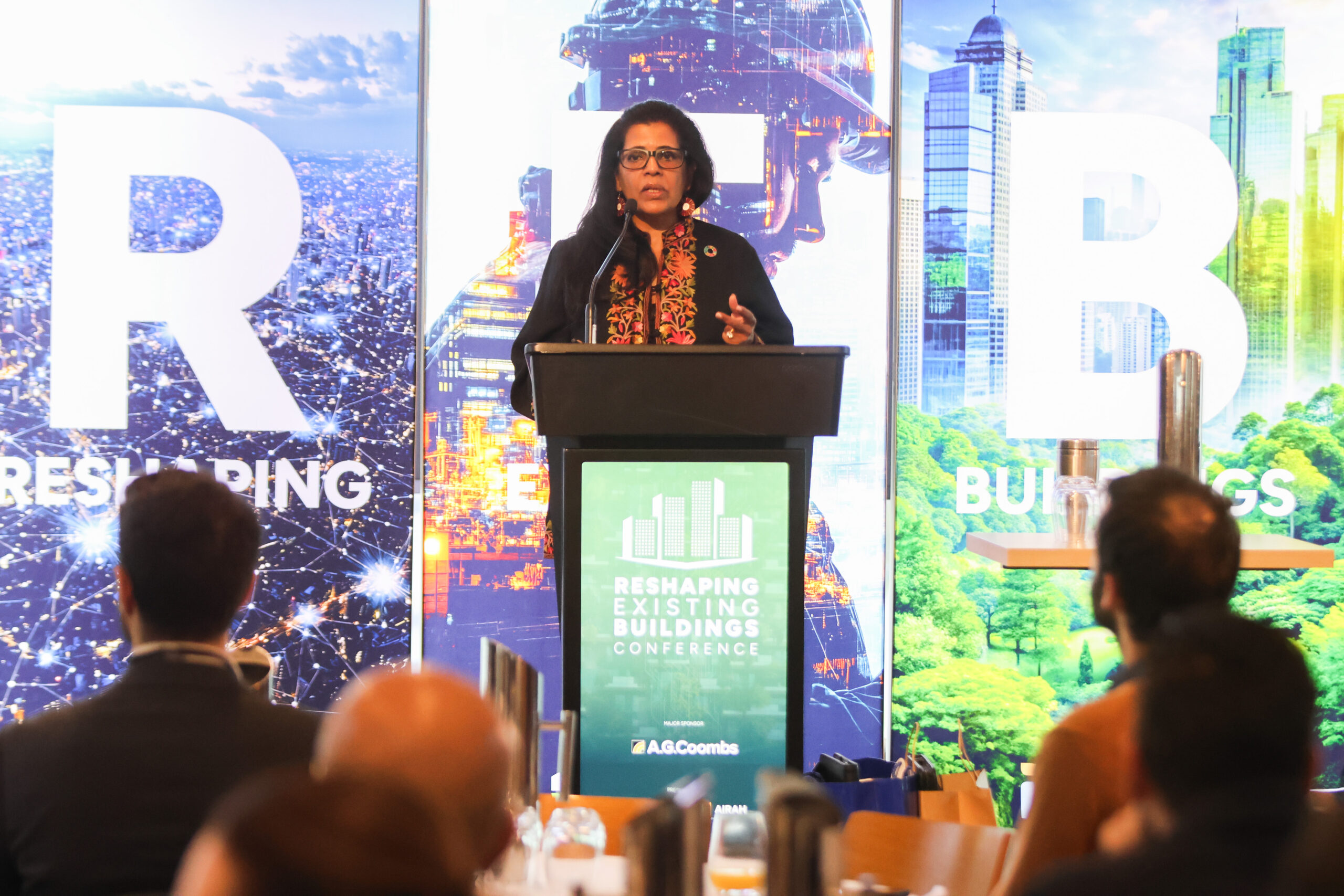
Over the two days of the Reshaping Existing Buildings conference, held June 3–4 in Melbourne, more than one presenter highlighted a salient fact: around 80% of our buildings today will still be standing in 2050, when Australia has committed to reaching net zero.
To fulfil our Paris Agreement commitments, we must make these buildings more sustainable. At the same time, we need to safeguard the health and wellbeing of occupants in a world that is experiencing the growing impacts of climate change. Mitigation and adaptation must go hand in hand.
It was this challenge that led AIRAH and FMA Australia to organise an event focused on existing buildings and the ways we can make them better for both their occupants and the environment. Held at one of Australia’s most iconic existing buildings, the MCG, REB26 brought together almost 200 engineers, technicians, facilities managers, property owners and service providers to explore solutions and inspire each other with success stories.
After two days of presentations, conversations and site visits, attendees were left not only with a sense of the task ahead, but also of the material and cultural richness of the buildings around us. Three clear opportunities for improvement emerged: better data, a value mindset, and closer collaboration.
Data is a deal-breaker
Keynote speaker Ivana Brown opened proceedings by talking about one of Australia’s most successful tools for improving existing buildings – the NABERS ratings system. Having data on energy performance and making this available to the market has been a game-changer for commercial buildings in Australia – buildings that are rated for energy over 10 years have shown an average energy reduction of 33%.
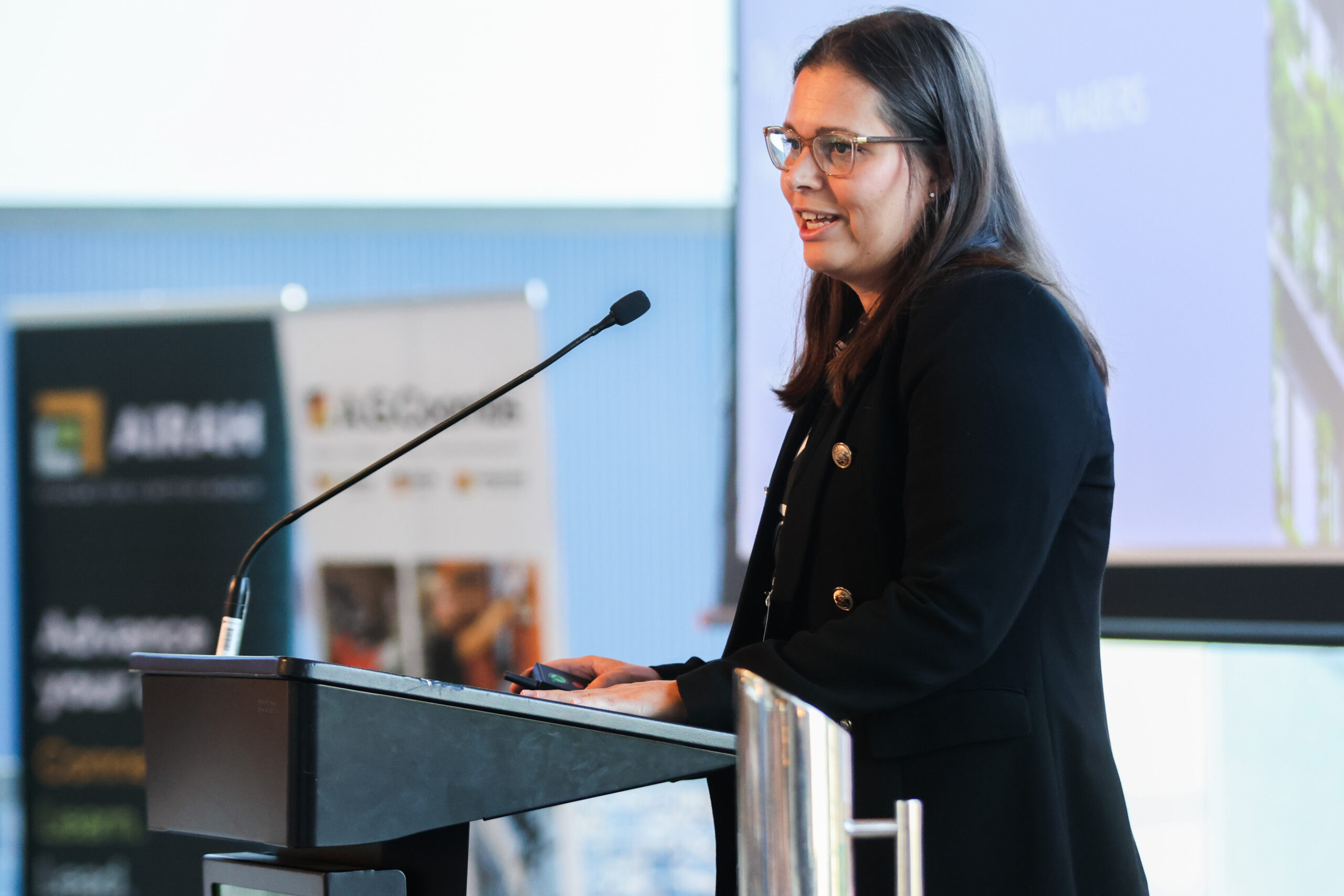
Brown also noted that the link between energy use and emissions is becoming more nuanced as the grid decarbonises. NABERS is adapting by disclosing renewable energy use, exploring time-of-use measures, and considering grid flexibility in its rules.
The theme of building data – as well as the stories within buildings – was a theme that ran throughout the two days. Nicholas Heydon from Schneider Electric looked at how to unlock building performance, and the need for better data and actionable insights. According to Heydon, only 22% of buildings have access to energy profile data, only 17% have an HVAC analytics solution, and a mere 6% have both.
Ethan Kent from Airmaster brought a hands-on perspective, showing how enriching maintenance data with feedback from technicians can realise the vision of data-driven maintenance. A panel on Australian Sustainability Reporting Standards previewed what is coming for businesses, and the need for them to have detailed information on their buildings and their environmental impacts. And Sarah Ripley shared incredible and sometimes gruesome experiences working with waste in healthcare – and how to work with building occupants to rethink waste as a system. As she noted, “data changes the conversation”.
New views of value
Ripley’s presentation reflected another major theme at REB26: the need to change our mindsets. Attendees were urged to look for value in buildings, rather than managing waste.
Day two keynote, Doctor Usha Iyer-Raniga from RMIT University, noted that driven by building and construction, extraction of the Earth’s natural resources has tripled in the past five decades. She issued a bold call for the audience to move from linear to circular thinking. In a circular economy, Dr Iyer-Raniga said, things are measured by value, not cost.
Case studies presented throughout the two days showed what this can look like in the real world. Roberto Petruzzi from HIP V. HYPE spoke about the deep retrofit of a Monash University building and how the team realised the potential of the site, seeing it not as a problem but an opportunity. They approached it with curiosity and a disposition to use what was already there.
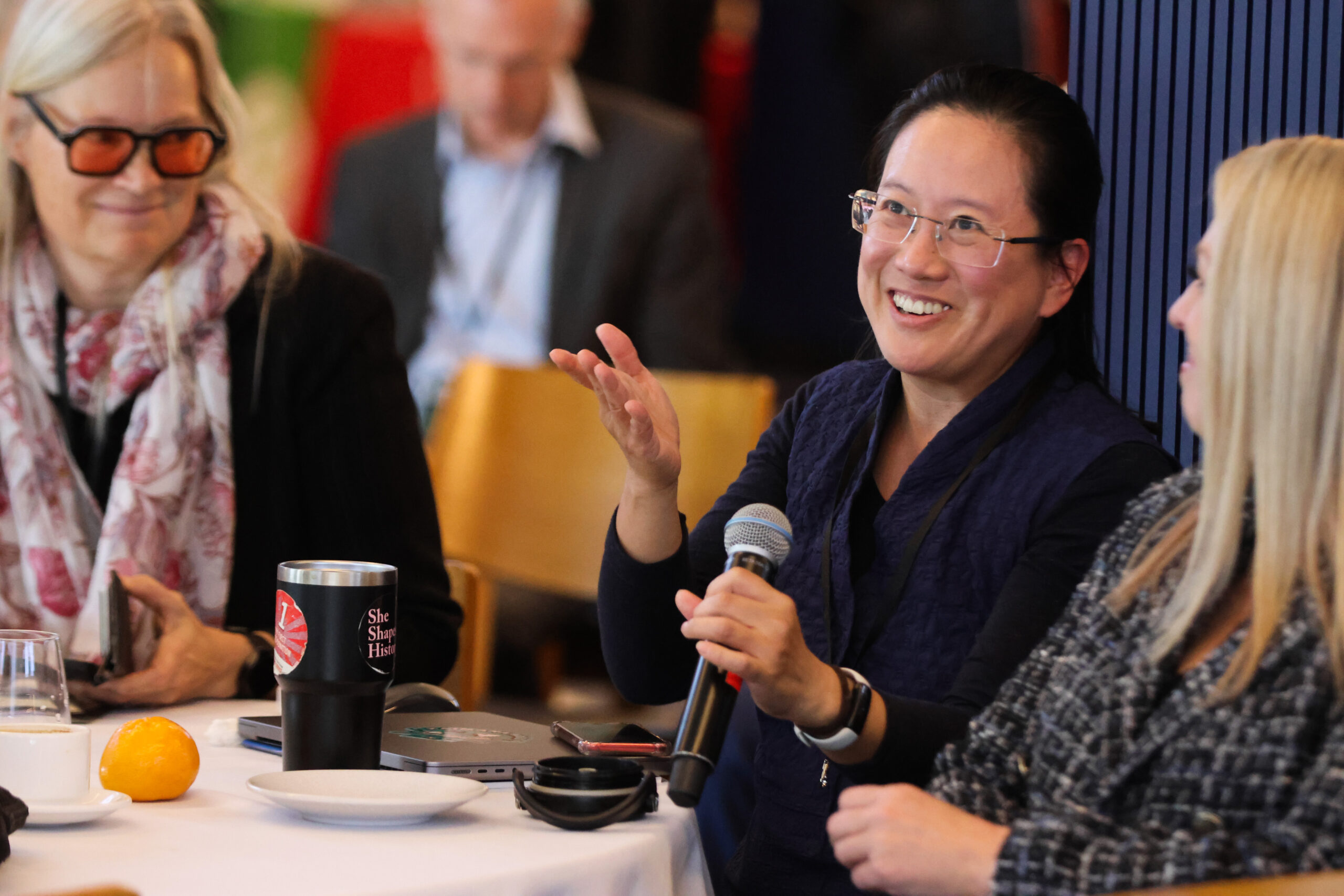
Other real-world success stories spanned from the Melbourne CBD to the Sunshine Coast, from rural NSW to Western Australia. They included offices, hospitals, public libraries, retail spaces, supportive housing and warehouses.
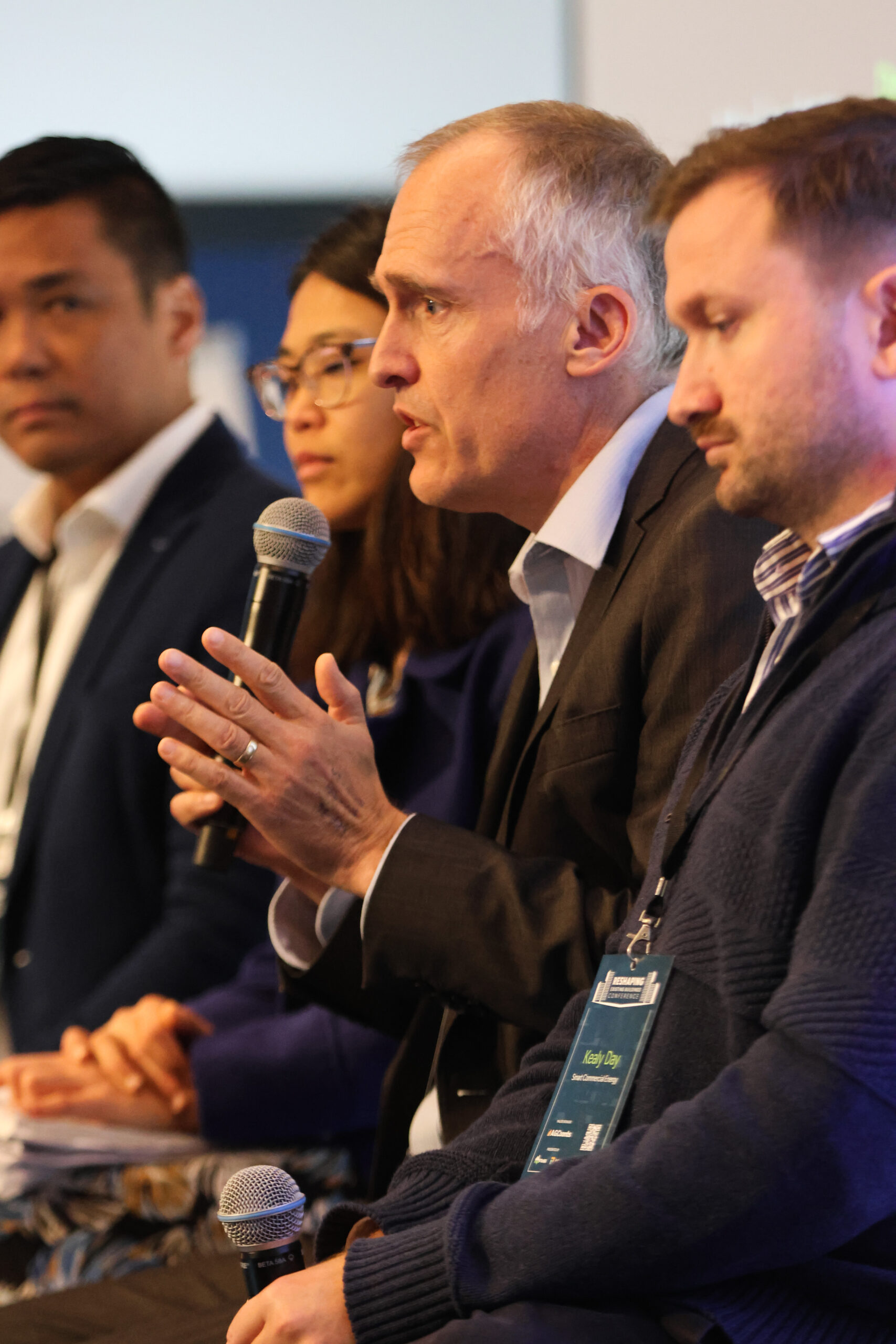
The closing panel session on day one, focusing on circularity, highlighted once again the lack of data in our buildings, the need for regulation to enforce recycling, and the beauty and connection with history that can be found through reuse.
Taking a seat at the circular table
The third theme that stood out at REB26 was the need to involve all key stakeholders. Circularity requires collaboration.
In his presentation, Capacity building – collaboration cornerstones for reshaping existing assets, Maruthan Marianayagam from Geronimo Advisory noted that the real barriers to upgrade projects are generally not technology and solutions, and often not even regulations, but budget, decision-making and developing the business case. Unlike new builds, where there is a clear project brief, a focused budget, linear decisions, and success can be measured by delivery, retrofit projects often involve competing priorities and non-linear decisions with issues discovered on the fly and the need for ongoing measurement of success.
The key, said Marianayagam, is to bring together the major stakeholders – owners and funds, designer and consultant teams, tech providers and facilities teams – and build capacity on the project journey. Notably, these groups were all present at REB26, facilitating the conversations.
Although focused on resources rather than people, the panel session on grid flexibility also acknowledged the need for a holistic approach, in this case one that considers energy supply and demand to smooth the way for our changing grid.
Connect to the past, look to the future
AIRAH CEO Sami Zheng, Affil. AIRAH, says REB26 showed the interest in and the need for conversation on a vital topic.
“Buildings are much more than structures of concrete, steel and glass,” she says. “They tell stories. They reflect the people, communities and generations that have shaped them. In many ways, our buildings become part of our collective identity.
“This is why the theme of reshaping existing buildings is so important. It is not simply about upgrading assets or improving performance. It is about respecting the character and heritage of our built environment while ensuring it remains fit for the future. It is about preserving the stories that connect us to the past while creating spaces that support the needs of future generations.”
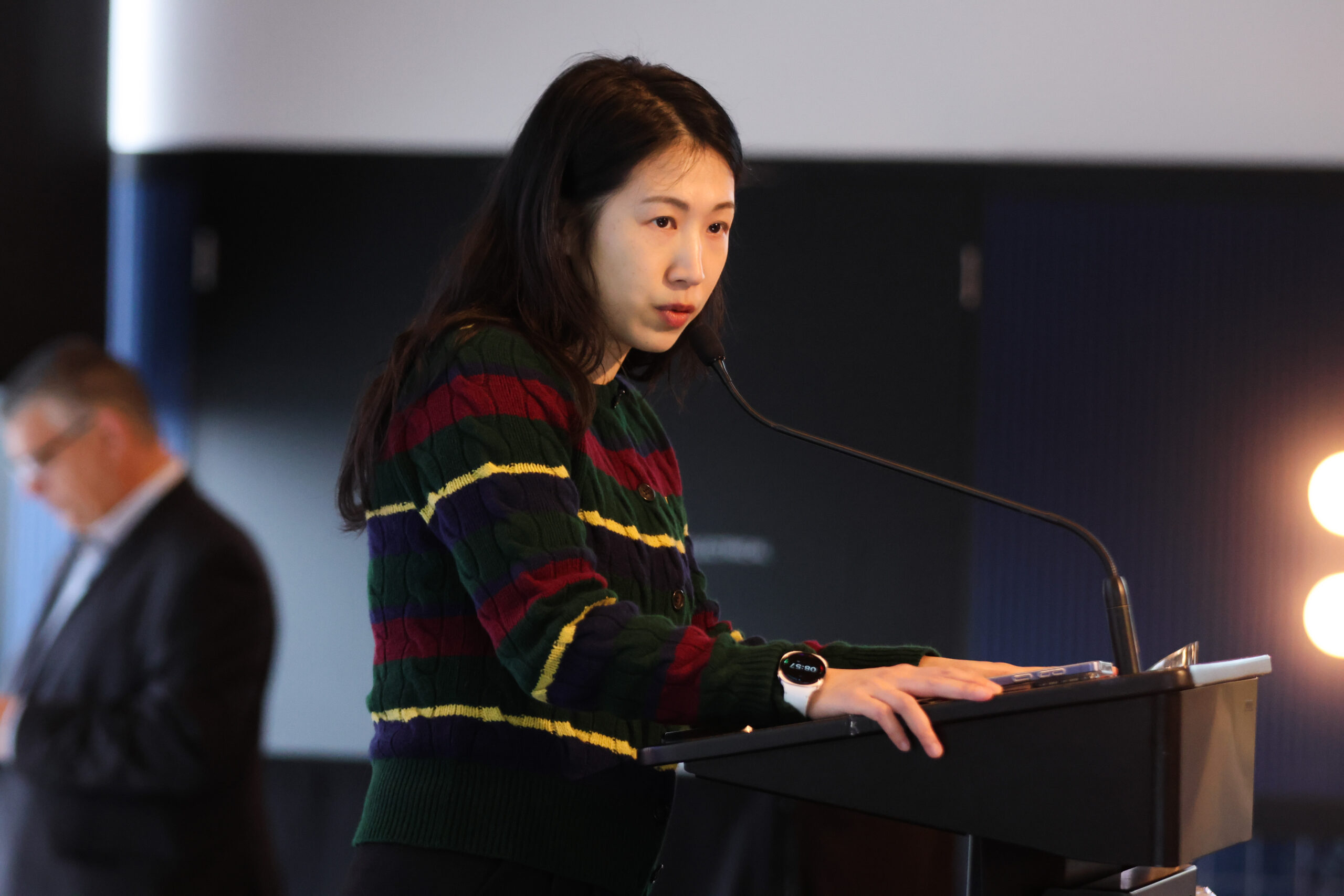
“Reshaping existing buildings requires technical expertise, innovation and collaboration. It demands that we think differently about design, operation, refurbishment and renewal. Most importantly, it requires us to see value not only in what can be built, but in what can be transformed.”
PREV
NEXT
Comments
Advertisements

Recent news
- Adam Morgan shines in Shanghai
- Next-gen solar
- Shaping the future of Building Energy Performance standards
Latest events
- Adam Morgan shines in Shanghai
- IOR opens nominations for J&E Hall Gold Medal
- Nominations open for IIR scientific prizes
Leave a Reply