 Willow Aliento
NZ announces refrigerant stewardship scheme
Synthetic F-gas refrigerants will be subject to a regulated product stewardship scheme in Aotearoa (New Zealand) from April 1, 2027.
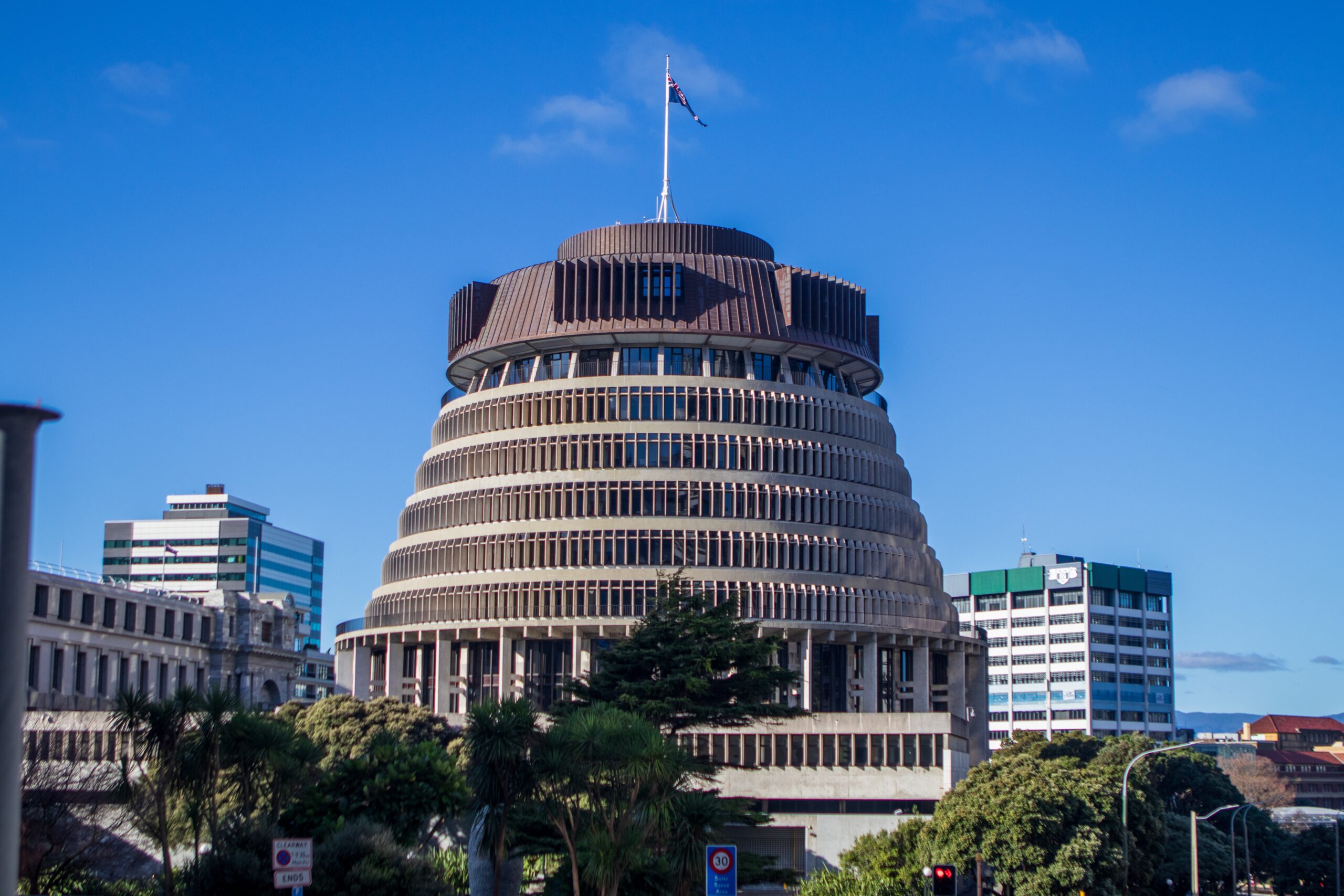
The Waste Minimisation (Synthetic Refrigerants) Regulations 2026 were announced on October 6, 2026, and will apply to anyone selling, installing, maintaining, recovering or destroying synthetic refrigerants.
Refrigerants covered by the scheme include hydrofluorocarbons (HFCs), and other fluorinated gases (F-gases) used in heating, cooling, refrigeration and air conditioning equipment.
The regulations were announced by NZ’s Ministry for Cities, Environment, Regions & Transport (MCERT).
All businesses handling gases and related equipment will be required to register with the scheme and collect and report data to the scheme manager, the Trust for the Destruction of Synthetic Refrigerants (TDSR). This body has been operating the nation’s voluntary product stewardship scheme for synthetic refrigerants since 2010 and will operate and deliver the regulated scheme.
TDSR Chair, Richard Lauder, says the regulations turn years of voluntary action, industry partnership and preparation into a practical national framework for better recovery, handling, data and destruction.
“This is a proud moment for the Trust and for the many people across our sector who have helped build the foundations for this regulated product stewardship scheme for F-gases,” Lauder says.
Anyone destroying synthetic refrigerants will be required to achieve regulated efficiency levels, meet specific air emissions limits and undergo annual independent certification.
The department says the regulations will enable measures to limit emissions by introducing nationally consistent requirements for greater industry accountability for tracking refrigerants through the supply chain and supporting their recovery, reclamation, and safe destruction.
“The measures are intended to build a complete, nationally consistent picture of how much refrigerant is used, recovered and destroyed,” MCERT states.
It estimates that refrigerant gases currently account for around two percent of NZ’s emissions. The new regulations are expected to reduce emissions by an estimated 400,000 tonnes by 2030.
- Read the full text of the regulations here.
The voluntary scheme will continue to operate until April 1, 2027.
TDSR Chief Executive, Janine Brinsdon, says the immediate priority is a smooth, practical transition for industry.
“We have now entered a new era for refrigerant stewardship in New Zealand, built on three decades of industry partnership, proven results and strong foundations,” Brinsdon says.
“The next six months are about putting that experience and capability to work alongside the sector so we can accelerate New Zealand’s efforts to address climate change and meet its international obligations.
“This is not regulation for its own sake. Bringing the whole market into the scheme will create a level playing field, with everyone operating to the same expectations. Trusted data and stronger professional standards will support better environmental outcomes, while giving businesses the clarity and confidence to invest and prepare.”
Main photo: Squirrel Photos via Pixabay.
PREV
NEXT
Comments
Advertisements
Recent news
- NZ announces refrigerant stewardship scheme
- Seeing all-electric stars in the NABERS Annual Report
- City Facilities Management secures decade-long Coles deal
Latest events
- Adam Morgan shines in Shanghai
- IOR opens nominations for J&E Hall Gold Medal
- Nominations open for IIR scientific prizes
Leave a Reply