 Willow Aliento
A2EP reveals a “hidden energy transition”
Heat pumps for industrial sites are part of an accelerating electrification trend, according to a new report from the Australian Alliance for Energy Productivity (A2EP).
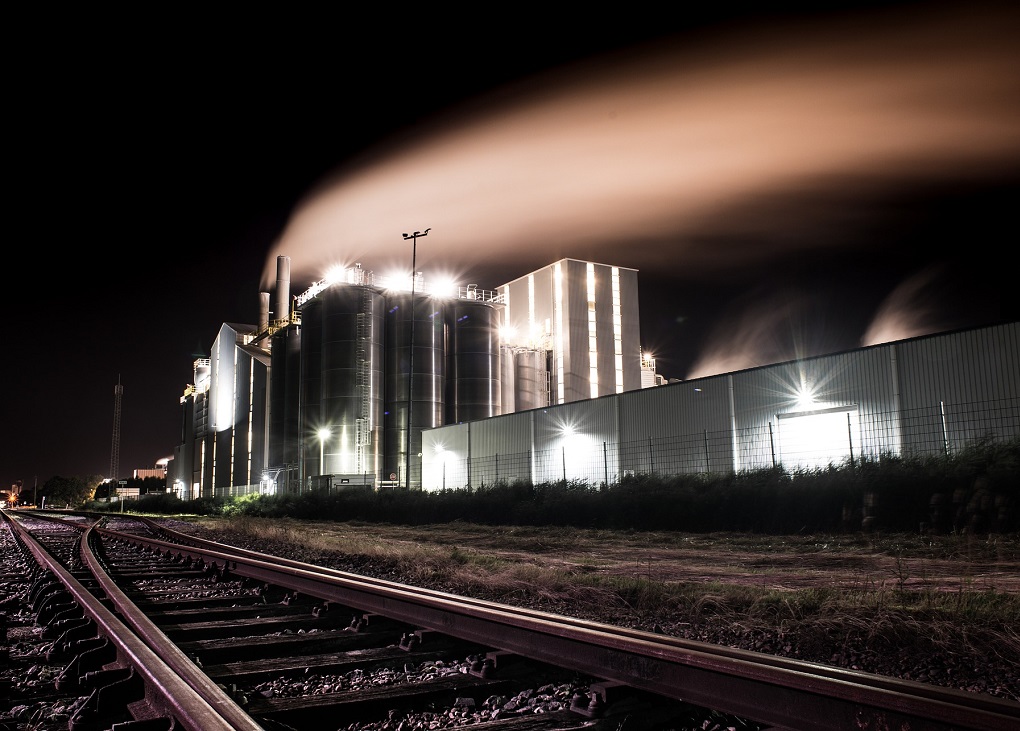
The report, Hot, here, now: an annual snapshot of industrial and commercial heat pump installations, shows there are more than 230 major Australian industrial sites expected to switch from gas to large-scale heat pumps by the end of 2027. A2EP also calculated that the number of major heat pump installations in existing buildings has doubled since 2022.
According to the report, industry and commercial buildings currently account for 52% of Australia’s final energy use, and nearly half of that is process heat. Burning gas is the primary source of heat, and coal comes in second.
So, uptake of the electric heat pump technology delivers emissions reductions. It is also an opportunity to reduce the cost of heat, according to A2EP, as heat pumps are typically three to five times more efficient than gas boilers they replace. Heat pumps can also be powered using renewable energy and can be coupled with thermal storage in the form of hot- or cold-water tanks.
“There’s a hidden energy transition happening in Australia – without fanfare but with very real benefits for energy efficiency and security and lowering production costs,” says Jarrod Leak, CEO of A2EP.
“We’ve tracked heat pump installations in every state and territory across a range of industry sectors. This is a big shift that’s largely gone unreported because it’s happening behind factory doors or in the mechanical rooms of major buildings – places the public usually doesn’t see.”
The research found that pharmaceutical, food and beverage, commercial laundries, aquatic centres and universities are at the forefront of the transition to renewable heat.
“The next sectors that could benefit from making the switch to heat pumps are brewing and malting, hospitals and aged care,” Leak says.
The report notes that the slowest sectors in terms of retrofits are the shopping centre, hospital and hotel sectors.
Federal funding has been helping. Leak notes that Community Energy Upgrades Fund (CEUF), for example is enabling heat pump upgrades at more than 40 community aquatic centres.
Leak says a similar scheme for the aged care sector could result in up to $20 million in gas bill savings for participating facilities.
“The transition to industrial and commercial heat pumps has started, but it can be turbo charged with smart government policy. This is a huge untapped, near-term opportunity to reduce emissions which Australia’s industrial and commercial sectors can’t afford to miss,” Leak says.
The report makes four key recommendations:
- Fix the network as the critical infrastructure of near-term electrification.
- Fund the Powering Better Care program and extend beyond aged care to include hospitals, childcare and social housing.
- Shift to opex support for sectors in the near-term viable zone.
- Close the data gaps that are preventing near-term action.
Read the full report here
PREV
NEXT
Comments
Advertisements

Recent news
- A2EP reveals a “hidden energy transition”
- NZ announces refrigerant stewardship scheme
- Seeing all-electric stars in the NABERS Annual Report
Latest events
- Adam Morgan shines in Shanghai
- IOR opens nominations for J&E Hall Gold Medal
- Nominations open for IIR scientific prizes
Leave a Reply