 Willow Aliento
Technical advice for HVAC in humid regions
The International Institute of Refrigeration (IIR) has published a new Technical Brief on Dehumidification in Air Conditioning, mapping the technologies and linking with corresponding energy management considerations.
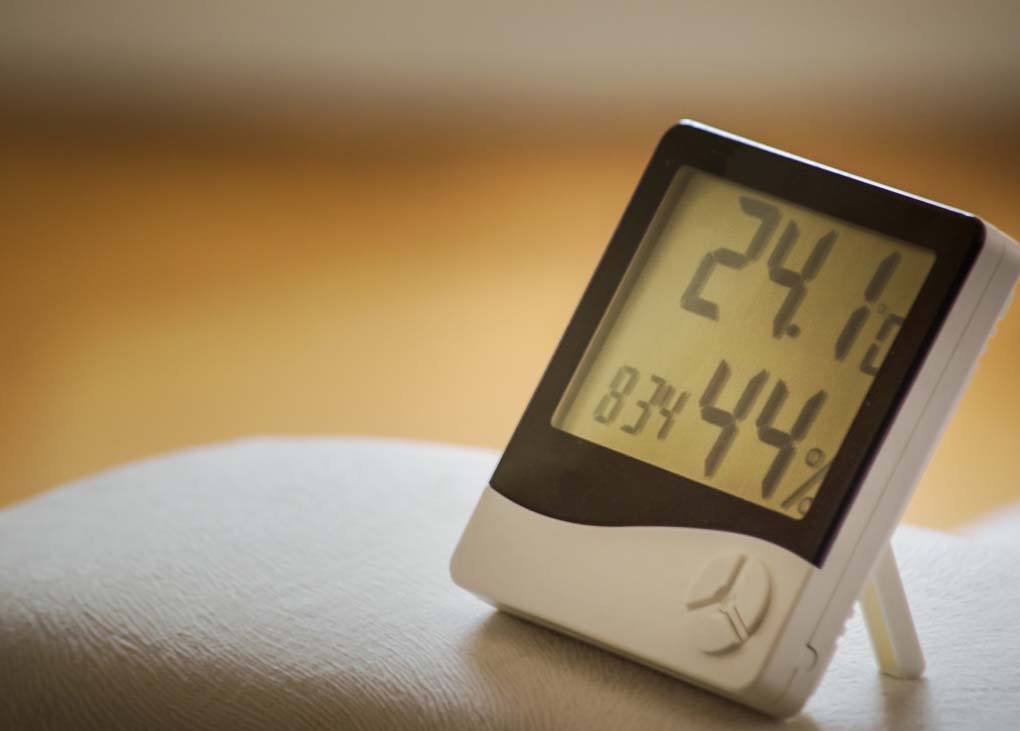
According to the IIR, in hot and humid climates, more than half a building’s energy use is associated with HVAC systems, and more than half that load is due to removing moisture from the air in cooling systems, rather than lowering the temperature of air.
Escalating demand for mechanical cooling in regions including Southeast Asia, Latin America, African nations and other heat-exposed regions, means the ability of equipment to handle humidity becomes more important in terms of energy use, emissions and grid stability.
The guidance was authored by a team led by Baolong Wang, Vice President of IIR Commission E1, Air conditioning, and President of IIR Working Group on Dehumidification in Air conditioning.
It outlines relevant technologies including condensation dehumidification (commonly used in vapour-compression and thermoelectric systems); liquid desiccant dehumidification; solid desiccant dehumidification; and emerging technologies such as electrolyte membrane and hollow-fibre membrane dehumidification, compact and electrically driven approaches.
“Humidity control is a critical factor in maintaining a comfortable and productive indoor environment,” Wang says.
“Advanced dehumidification technologies can substantially lower the energy consumption and carbon footprint of air conditioning systems, thereby advancing global initiatives for low-carbon cooling.”
The paper also presents evidence-based recommendations including:
- Prioritising humidity control to allow air conditioning systems to operate at higher, more efficient chilled-water or evaporating temperatures.
- Accelerating deployment of efficient dehumidification in hot-humid regions, where cooling demand growth is concentrated, and the energy, emissions, and grid-stability stakes are highest.
- Increased support for emerging dehumidification technologies, through technical alliances, research funding, and international collaboration.
Download the Technical Brief and accompanying Summary for Policy Makers here.
PREV
NEXT
Comments
Advertisements
Recent news
- Adam Morgan shines in Shanghai
- Next-gen solar
- Shaping the future of Building Energy Performance standards
Latest events
- Adam Morgan shines in Shanghai
- IOR opens nominations for J&E Hall Gold Medal
- Nominations open for IIR scientific prizes
Leave a Reply