 Willow Aliento
Weaving connections, shining a light
Founder of World Refrigeration Day Stephen Gill has launched a new initiative, Global HVACR Women Week, which will happen from October 25–31, 2026. The message for the week is: “Local voices. Global connections. One HVACR community.” Gill will also be coming to Australia that week and is a keynote speaker at AIRAH’s Women of AIRAH Summit on October 27 in Melbourne.
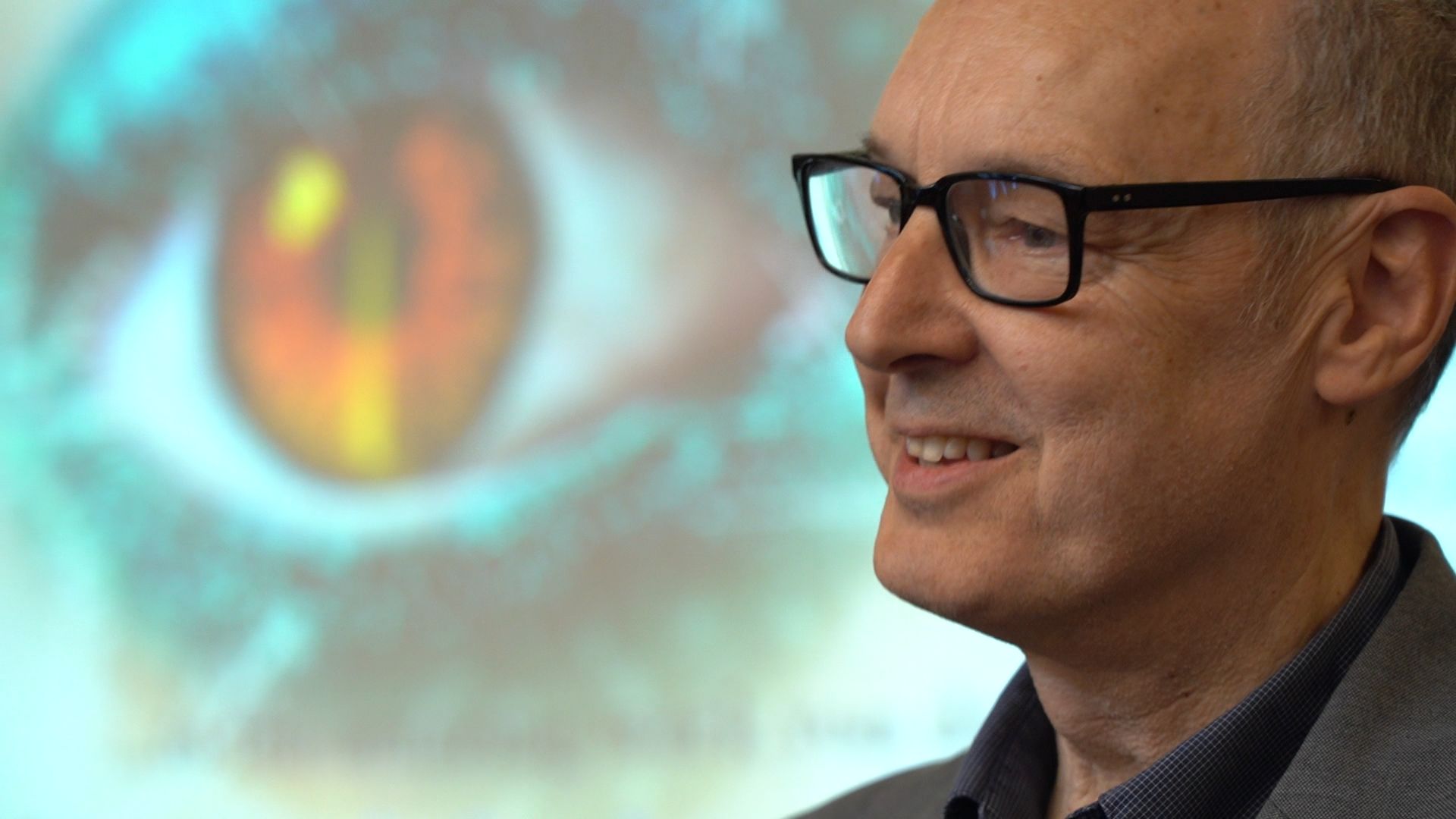
HVAC&R News asked Gill why recognising and connecting women across the HVAC&R industry matters – and why the sector must continue to widen opportunities for women to enter, remain and progress.
Gill emphasises that women are already working, contributing and thriving throughout HVAC&R, across technical, design, project management, research, education, business and leadership roles.
“The simplest answer is that our sector needs more capable people, and women represent half of the potential talent available to us,” he observes.
“We cannot continue discussing skills shortages while overlooking or losing such a significant part of the population.”
The case is, however, about much more than filling vacancies, he explains.
“HVAC&R affects almost every part of modern life. It protects food and medicines, supports healthcare, enables manufacturing and digital infrastructure, provides safe and comfortable buildings, and has a central role in addressing climate change,” Gill says.
“The decisions made by our sector affect everyone, so the people contributing to those decisions should reflect the variety of people and communities we serve.”
This applies across the full breadth of the sector.
“Women are technicians and engineers working on tools and in plantrooms, but they are also designers, consultants, researchers, educators, project managers, business owners, manufacturers, policymakers and leaders.
“Women already contribute throughout the whole system – from the initial concept and design of a project through to its installation, operation, maintenance and eventual replacement. We need to recognise that contribution, retain their knowledge and experience, and ensure they have every opportunity to continue developing and progressing.
“A more diverse sector has access to a wider range of experiences, ideas and perspectives. That matters because the challenges ahead cannot be solved simply by repeating the approaches of the past. We need people who will question assumptions, recognise problems others may have missed and help us develop better technical and human solutions.”
Gill says there is also a basic issue of fairness. A woman should be able to look at the sector and see somewhere she can enter and build a lifelong career.
“She should not have to be unusually determined simply to overcome obstacles that many of her male colleagues may never encounter,” he says.
Holding up the mirror
Making women’s existing contribution more visible gives them the recognition they deserve, strengthens professional connection and belonging, and expands other people’s understanding of who works in the sector and who can succeed within it.
“When a woman is seen commissioning equipment, diagnosing a fault, working in a plantroom, designing a system, managing a major project or leading a technical team, she does more than undertake that particular role,” Gill says.
“She expands other people’s understanding of who can do this work. That includes employers, colleagues, customers, teachers, parents and, importantly, younger women who may never previously have imagined themselves in the sector.
“Showing women as apprentices, technicians, designers, project managers, engineers, researchers, trainers, business owners and senior leaders makes the range of possibilities real.
“We must show the complete career journey, though – not just celebrate the exceptional woman who has reached the top. Young people need to see how someone enters the sector, develops competence, moves between different roles and continues progressing through the various stages of life.”
Revealing invisible issues
The experiences of women working in practical roles can also help show where working practices might need attention.
Sometimes these practices might have been designed around what Gill calls a “very narrow idea of the ‘typical’ worker.”
This might result in better-fitting personal protective equipment, improved lifting and handling practices, more suitable facilities and a stronger focus on how work is organised.
“These changes frequently benefit everyone, not only women,” Gill says.
There is a proviso, however.
“We should be careful not to place an additional burden on women by expecting them to transform a workplace simply by entering it. They should be able to be technicians, designers, engineers and project managers – not perpetual representatives of their gender,” Gill explains.
“Creating the conditions in which they can succeed remains the responsibility of employers, leaders and the sector as a whole.”
Balance is not just about gender
One of the challenges for retention of staff can be balancing the demands of the job with family life.
Gill points out that work-family balance should not be treated solely as a women’s issue.
“Men also have families and caring responsibilities. More flexible and humane working practices make HVAC&R a more sustainable career for everyone,” he says.
“Nevertheless, inflexible hours, assumptions about availability, poorly designed return-to-work pathways and career penalties associated with caring responsibilities can still affect women disproportionately.
“The real test is not simply how many women we recruit at the beginning. It is how many remain five, ten or twenty years later – and whether they are still developing and progressing.”
Gill believes our sector needs to examine the whole career system: recruitment, education, apprenticeships, workplace culture, suitable equipment and facilities, mentoring, flexibility, professional development, promotion, career breaks, return to work and succession into leadership.
“Recruitment without retention is a revolving door, not progress.”
Diversity as strength
Gill says that while there is no single or specific mindset women as a group bring into the workplace, there is benefit in widening the range of people in the room.
“When a sector has historically been predominately male, its accepted ways of thinking can become self-reinforcing,” he explains.
“Bringing together people with different experiences can reveal blind spots and challenge the phrase, ‘That is how we have always done it’.”
He says some employers report that more diverse teams communicate differently, consider the end user more carefully and approach collaboration, design or risk from a broader range of perspectives.
The global picture shows there are some countries where women may appear more visible in the sector, but the picture can change depending on the specific profession, part of the sector or level of seniority.
“Through Global HVACR Women Week, I have been speaking with associations, networks and professionals across Europe, Asia, Africa, the Americas and Oceania,” Gill explains.
“What has struck me is not that one region has solved everything, but that there are women doing remarkable work everywhere – often without the international visibility, recognition or connections they deserve.
“Every region has something to teach and something to learn.”
Dialogue and making connections
The purpose of Global HVACR Women Week is to facilitate this by connecting people who are open to learning from one another and sharing experiences, knowledge and opportunities.
It is not an awareness campaign or awards event, Gill explains. Nor is it intended to form another organisation or network. Its purpose is to help existing individuals, groups and networks reach out to and learn from one another.
“Women are still a minority within much of HVAC&R. Many of the groups, networks and individuals supporting them are working in isolation or in silos,” Gill says.
“Over the past ten to fifteen years, I have watched many groups form and then struggle along their journeys in relative isolation, while another group elsewhere is going through almost exactly the same experience.
“They frequently encounter the same challenges, discover similar solutions and achieve comparable successes, but rarely have an opportunity to share these beyond their own network.
“Global HVACR Women Week is intended to encourage them to reach out to one another. It is not about losing individual or group identities or asking organisations to merge. It is about all of us growing together.
“Stronger groups, networks and individuals ultimately create a stronger and better sector for everyone.
“That is why the central message of the week is: Local voices. Global connections. One HVACR community.”
PREV
NEXT
Comments
Advertisements
Recent news
- Beijer Ref appoints new CEO
- Building ministers pledge NCC modernisation
- Recognising and celebrating progress and change
Latest events
- Recognising and celebrating progress and change
- Adam Morgan shines in Shanghai
- IOR opens nominations for J&E Hall Gold Medal
Leave a Reply