 Willow Aliento
A TV reno show we can relate to
Forget the typical opulent bathrooms and gleaming expanses of stone kitchen benchtops – this new renovation show is all about the science of energy, thermal comfort and passive performance.
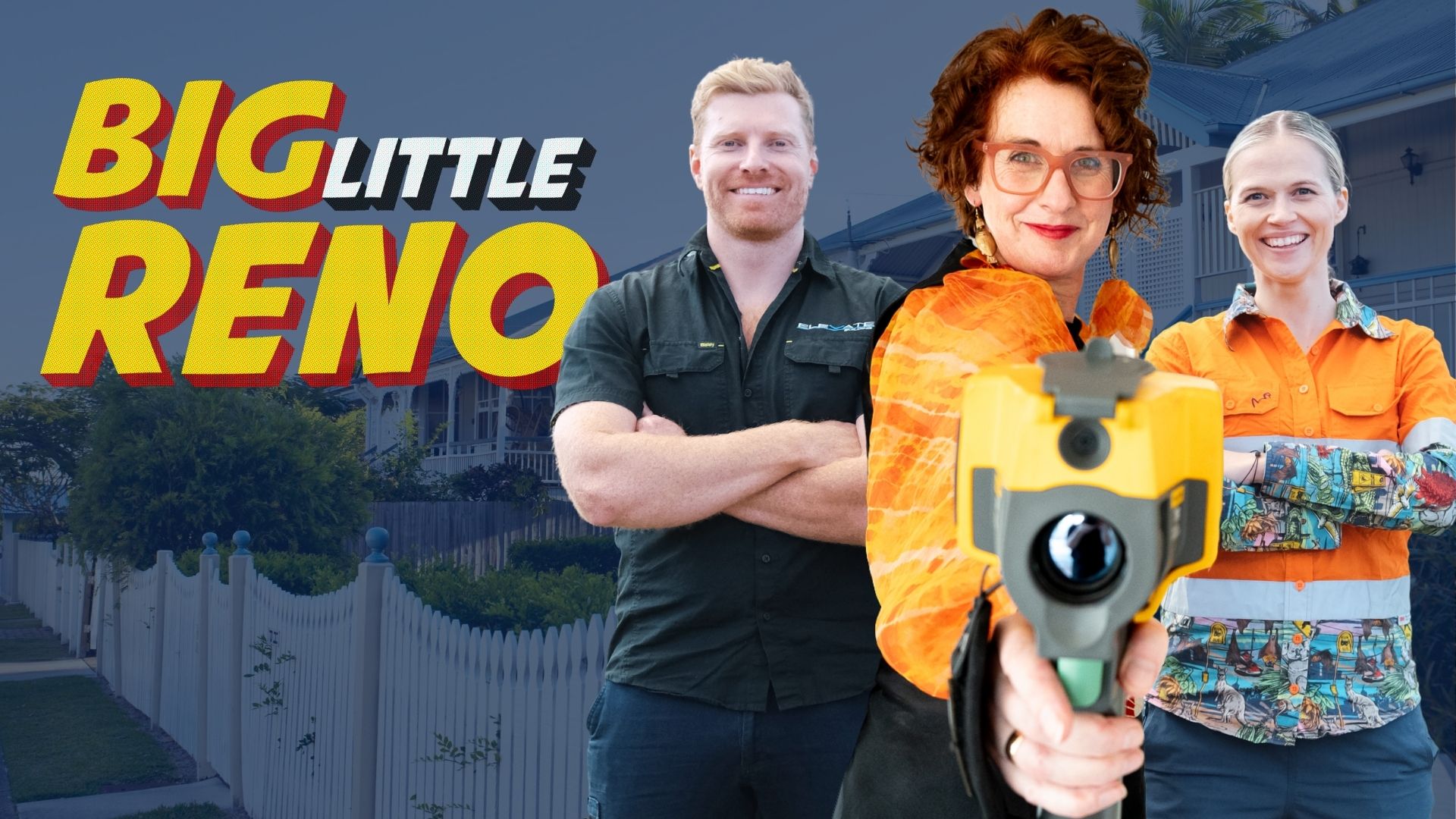
Big Little Reno features Light House Archiscience founder and building scientist, Jenny Edwards. She’s been working with homeowners in the ACT for decades now helping them turn ageing, uncomfortable, energy-guzzling domiciles into high-performance homes. Now that insight and expertise will be landing in living rooms around the country.
The pilot episode introduces us to the expert team of Edwards, electrician Tamarah Vos and builder Matt Minichelli, who tackle a 1970s home in Canberra owned by couple Chiara and Rory.
The experts start with a science-based assessment of the home to find out where energy is being wasted, and which upgrades would deliver the most impact. Then the work begins, both visible (like kitchen, living and dining area) and invisible (insulation and draught sealing, for example).
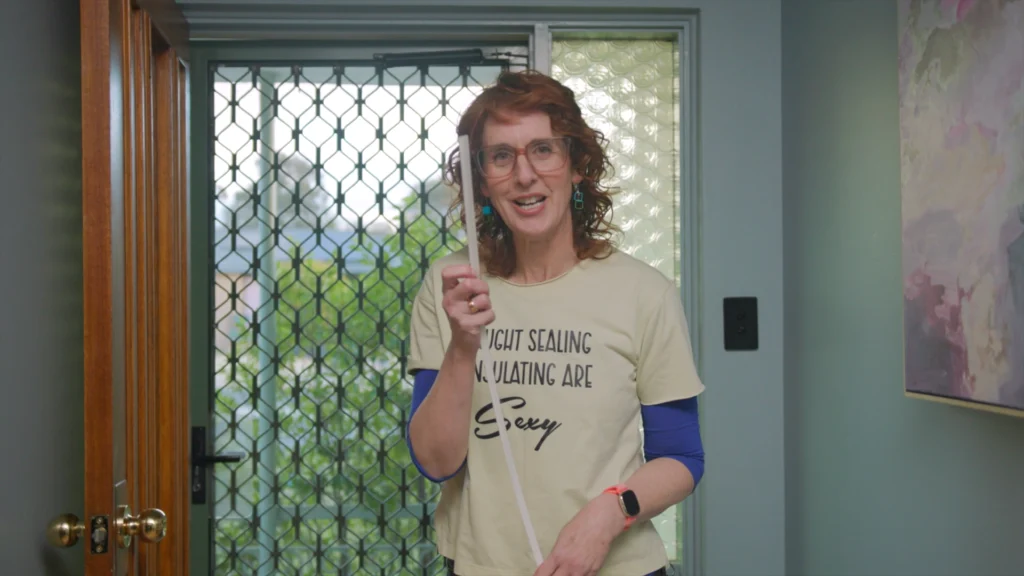
Jenny Edwards talking up draught sealing
Behind the scenes research
Behind the scenes, the show is also a research project which is supported by the Reliable Affordable Clean Energy (RACE) for 2030 Cooperative Research Centre, the NSW Department of Climate Change, Energy, the Environment and Water, and CSIRO.
Produced by Blue Tribe Media, the show’s core idea is “pretty simple” according to the producer, James McGregor.
“You don’t need a big renovation to make a big difference,” he says in the media kit.
McGregor has a background in the energy efficiency space, he tells HVAC&R News.
He began his career as an electrical engineer with Connell Wagner designing building services, before spending 13 years with CSIRO, where he led a wide range of research programs focused on renewable energy and energy-efficient buildings.
He explains that the work at CSIRO showed him that technical solutions alone were not enough: improving buildings at scale also required better ways to engage homeowners and influence everyday decisions.
His next move was to found Blue Tribe Media, which combines engineering, behavioural science and storytelling to make complex sustainability issues accessible to mainstream audiences.
As an executive producer his programs have included Renovate or Rebuild, Epic Builds: The 90 Day Challenge and now, Big Little Reno.
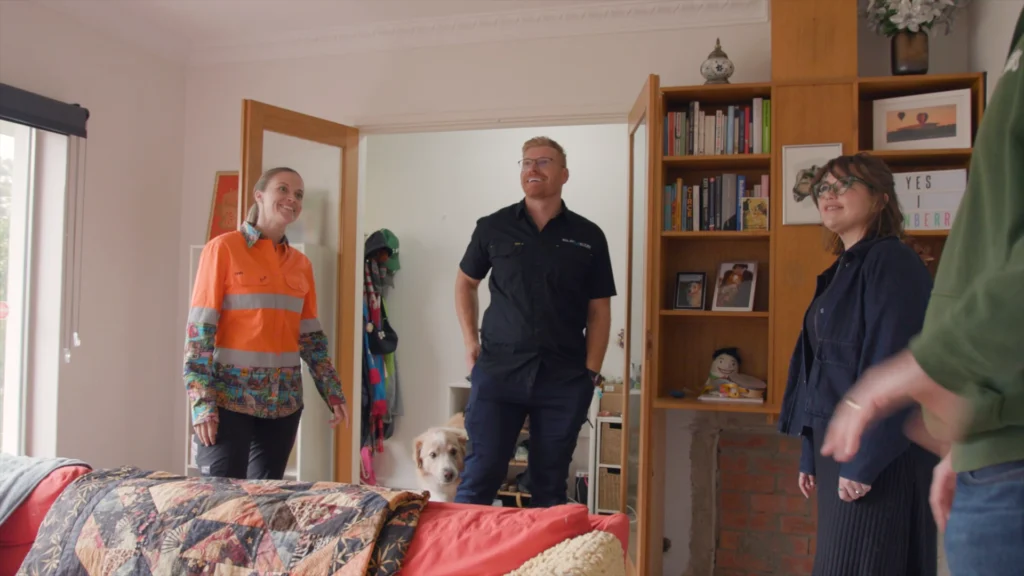
Inside the 1970s Canberra home
Engineering an attitude shift through storytelling
McGregor says his engineering background continues to underpin Blue Tribe Media productions, helping turn subjects such as building performance, home energy ratings and modern construction into entertaining stories that encourage practical action.
“Nobody sits down on Sunday afternoon hoping for a lecture on thermal performance so the trick is not to make a television show about energy efficiency. It is to make a great entertaining renovation show where a comfortable, healthy and energy efficient home is simply part of what a great renovation looks like,” McGregor says.
The pilot episode of Big Little Reno is screening on Sunday September 27 at 4.30pm on 9LIFE and will then be available online on YouTube from October 4, 2026.
Next, the team is preparing to film the first season in early 2027. Future episodes aim to explore different climates, building types and homeowner challenges across Australia, from cold-climate Canberra homes to houses managing heat and humidity in Queensland.
“Australia gives us such an incredible range of homes and climates to explore,” McGregor says.
“A Canberra home trying to stay warm through winter presents a completely different challenge from a Queensland home dealing with heat and humidity. And the right solution for an old weatherboard could be completely different from an apartment, a brick veneer home or even a relatively modern house that isn’t performing as well as its owners expected.
“We want to take Big Little Reno around Australia and explore those differences.
“But the common thread will always be the homeowners. We want people with a real problem to solve, a realistic budget and that familiar feeling of, ‘There are so many things we could do – where on earth do we start?’
“Then our team’s challenge is to work out: given this home, this climate, these people and this budget, which changes are going to make the biggest difference?”
Science to the rescue
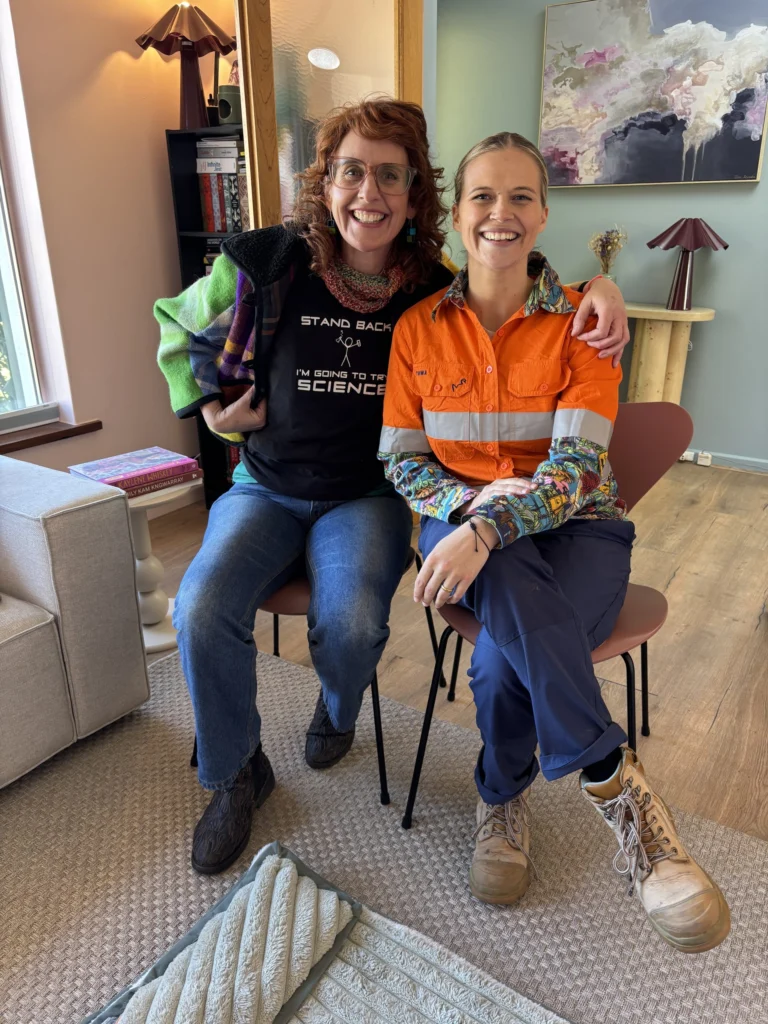
Jenny Edwards tells HVAC&R News it is really important for people to understand the value of invisible improvements like passive thermal comfort when making the decision to renovate.
“Too often we focus on the visuals, the aesthetics, but it’s the temperature stability of a home that is so impactful on the physical, mental and financial health of residents,” she explains.
As a scientist, there are some aspects of housing performance Edwards finds particularly interesting to solve.
The greatest “bang-for-buck” things are top of the list, such as “showing people that there are generally really simple and super cost-effective things they can do that will give them immediate improvement in comfort and health and rapidly translate to energy savings.
“I know I go on and on about it – but it’s because I’ve seen again and again over the last two decades – how much draught sealing and insulation can profoundly affect the quality of life of a household.”
A highlight of the process of making the show was working with the tradies.
“I love showcasing the work of the trades! For too long we’ve assumed that if we provide the info about energy efficiency it will magically happen; that it’s then easy for a household to implement,” she says.
“That’s not true. The tradies are the true champions in this space. Without them none of it can happen.”
PREV
NEXT
Comments
-
Great show, first time I have seen it, will watch again
Advertisements
Recent news
- Crooks cook French frozen food aisles
- Beating the heat on high rise sites
- Global reach, local innovation
Latest events
- Adam Morgan shines in Shanghai
- IOR opens nominations for J&E Hall Gold Medal
- Nominations open for IIR scientific prizes
Leave a Reply