 Nick Johns-Wickberg
Study identifies heat risks for older Australians
New research from Griffith University has found that a bedroom temperature of 24°C at night can reduce heat stress in people aged 65 or older.
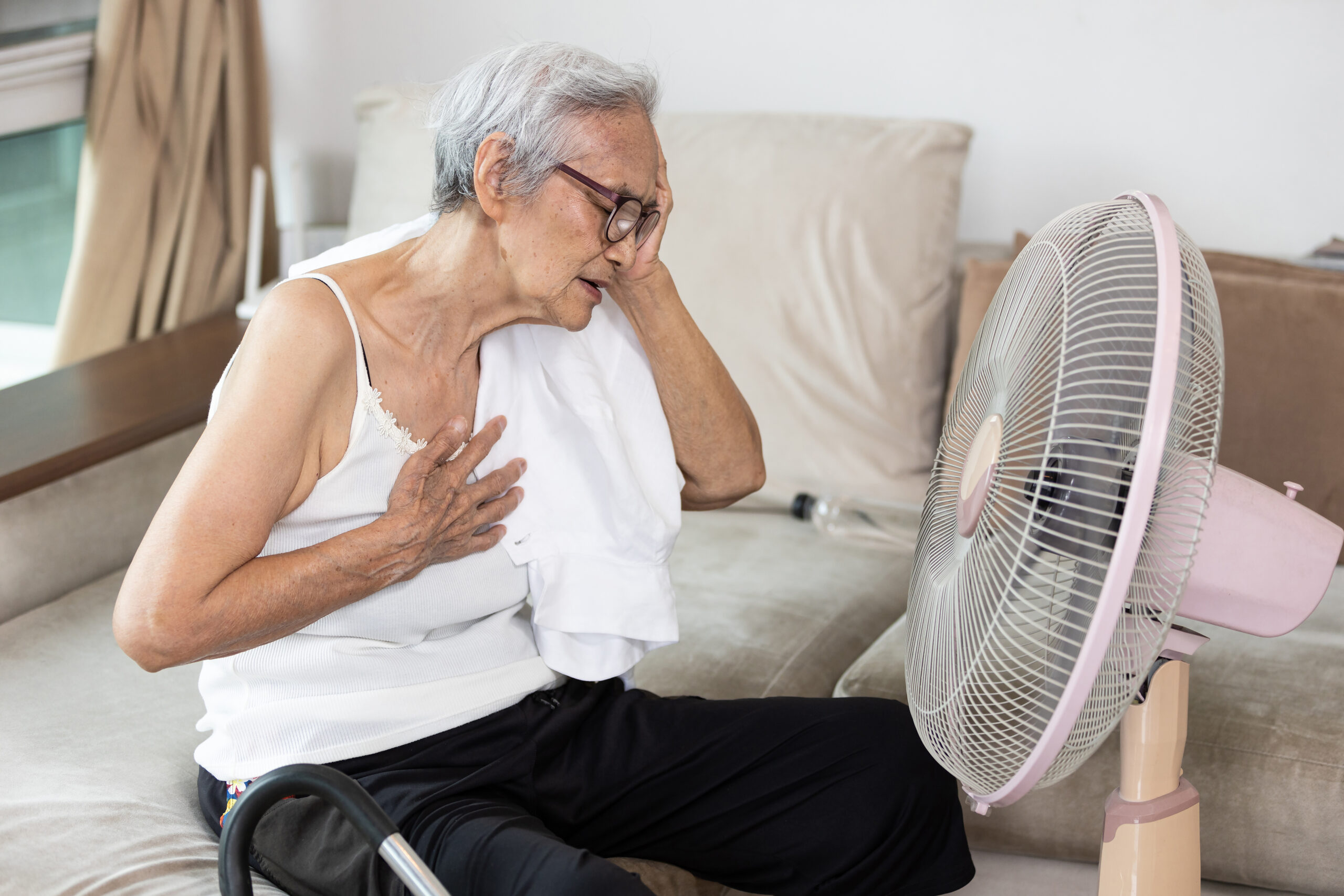
With much of Australia in the grips of its most severe heatwave in years, a new study has shone light on the dangers heat poses to the older population.
There is ample research from around the world showing the correlation between heat and cardiac stress. This latest Griffith University study focuses on how elevated heat at nighttime affects older people.
More heat, more stress
The research team tracked 47 adults aged 65 or older who were living in Southeast Queensland. Participants wore devices that monitored their heart rate and heart rate variability (HRV) between 9pm and 7am from December 2024 to March 2025.
Lead researcher Dr Fergus O’Connor says the study identifies a nighttime threshold at which heat stress increases significantly among older people.
“When the human body is exposed to heat, its normal physiological response is to increase the heart rate,” Dr O’Connor says. “The heart is working harder to try and circulate blood to the skin surface for cooling.
“However, when the heart works harder and for longer, it creates stress and limits our capacity to recover from the previous day’s heat exposure.”
O’Connor points to the study’s finding that, for people aged 65 or older, maintaining a comfortable temperature at night is particularly important for health.
“For individuals aged 65 years and over, maintaining overnight bedroom temperatures at 24°C reduced the likelihood of experiencing heightened stress responses during sleep,” O’Connor says.
The study found that the mean nighttime temperature in participants’ bedrooms was 25.9°C, suggesting that many lack access to adequate cooling measures that could keep them safe.
Push for guidelines
While there are guidelines in Australia recommending a maximum daytime temperature of 26°C indoors, no such guidelines exist for nighttime temperatures. However, O’Connor points out that, as the planet warms, the likelihood of getting relief from the heat at night lessens.
“Climate change is increasing the frequency of hot nights, which may independently contribute to cardiovascular morbidity and mortality by impairing sleep and autonomic recovery,” O’Connor says.
In the study’s conclusion, the authors call for the implementation of nighttime temperature guidelines to protect vulnerable populations.
“These findings provide real-world physiological evidence supporting the development of nighttime indoor temperature guidelines to protect vulnerable populations in a warming climate,” the authors say.
Featured image by EyeEm via Freepik
PREV
NEXT
Comments
Advertisements


Recent news
- ASHRAE calls for abstracts for 2027 Winter Conference
- Victoria pushes ahead with NCC 2025
- NZ opens plasma-powered refrigerant destruction facility
Latest events
- ASHRAE calls for abstracts for 2027 Winter Conference
- ARBS 2026 Awards finalists announced
- Program confirmed for REB26 at the MCG
Leave a Reply