 Laura Timberlake
Overcoming barriers to heat pump installations
The European Commission is focusing on accelerating heat pump deployment across the continent. A new industry position paper examines the key factors slowing momentum.
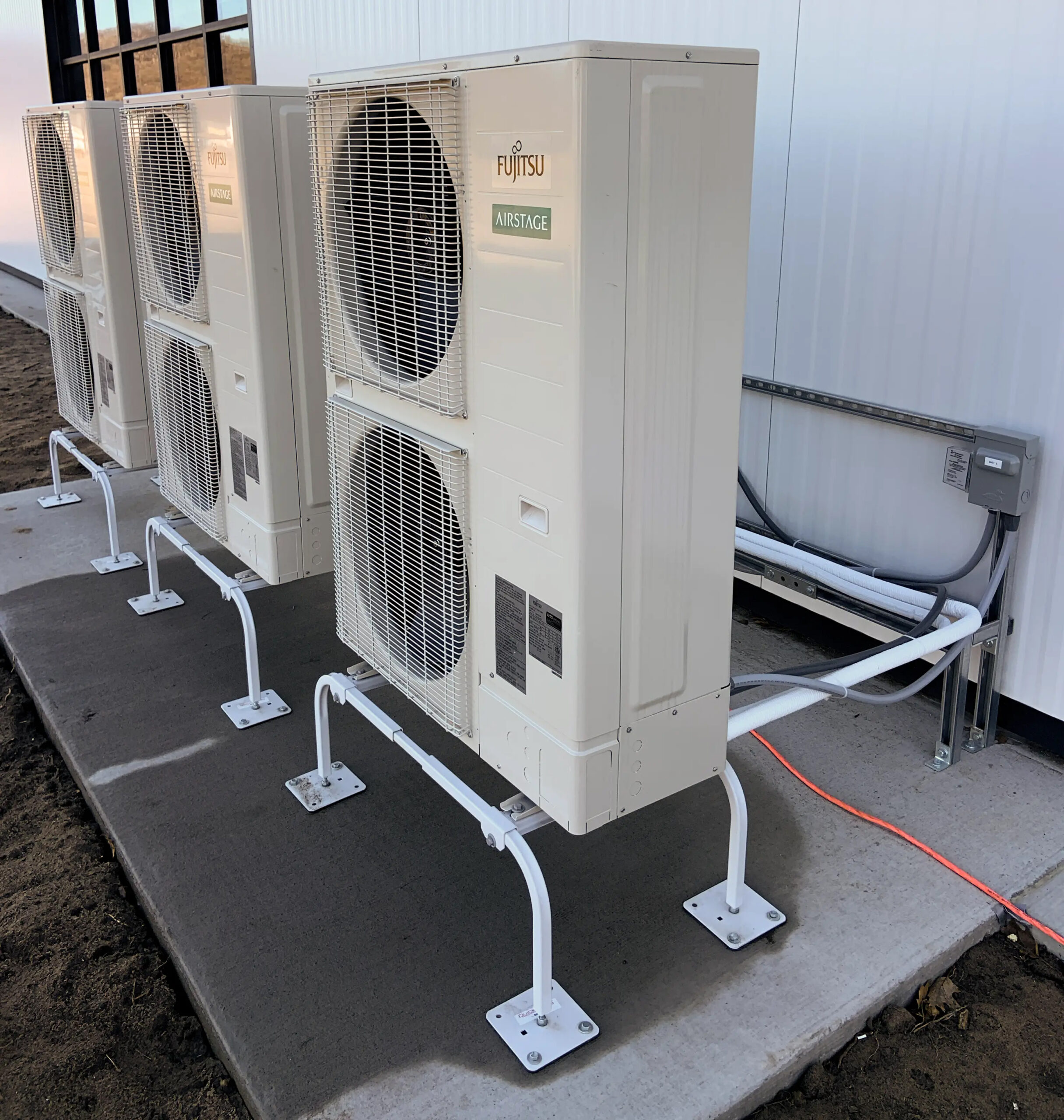
The European Heat Pump Association (EHPA) released a position paper in October 2026 outlining how electricity costs and demand are affecting heat pump deployment across Europe.
The European Commission is considering introducing a Clean Heat Market Mechanism (CHMM) by 2027, however EPHA has called on the Commission to prioritise addressing consumer demand issues.
EPHA argues that introducing a CHMM could cause political, competitive and administrative risks.
“On the evidence available, a CHMM is not the priority to accelerate heat pump deployment,” states EHPA.
“The barriers are on the demand side, and the measures to address them are already available.”
According to the EHPA position paper, under the REPowerEU program launched in 2021, the European Commission called for 30 million additional hydronic heat pumps by 2030.
EHPA estimates that meeting that trajectory requires the number of new heat pump installations to double every four years. That means a combined 60 million more heat pumps installed by 2030 compared to the 17 million units in place when REPowerEU was published.
“European manufacturing capacity is not the constraint,” EHPA states.
Approximately 90% of indoor units are manufactured within Europe, and only 10% are sourced from China.
European manufacturers had already committed to €7 billion (AU $11.4 billion) to support production capacity expansion, and the heat pump sector currently supports around 433,000 jobs.
However, the electricity-to-gas price ratio has played a key role in the electrification process. According to EPHA, electricity is taxed more heavily than gas for final consumers and on average costs about two and a half times more than gas.
“The effect of energy taxation specifically is stark,” it states.
“EHPA’s own analysis shows that countries taxing electricity more heavily than gas see slower heat pump adoption and remain more dependent on fossil fuels, while countries that tax electricity less heavily than gas make heat pumps more attractive and affordable.”
EPHA recommends closing the gap between electricity and gas prices and changing the EU’s rules to allow zero VAT (value-added tax) on heat pumps.
It also states that more ambitious and consistent policies are needed for existing buildings, and that the phase-out of fossil fuel subsidies should become a binding legislative measure.
- Read the full report here.
Feature image courtesy of Wikimedia Commons.
PREV
NEXT
Comments
Advertisements

Recent news
- Overcoming barriers to heat pump installations
- Electrification centre stage at COP31
- Victoria targets construction fall risks
Latest events
- Electrification centre stage at COP31
- An international tribute to the late Pat McInerney
- Spreading ripples at Women of HVACR Summit
Leave a Reply