 Laura Timberlake
How MMC could impact skilled trades
BuildSkills Australia has released a report examining the workforce and skills implications of Modern Methods of Construction (MMC).
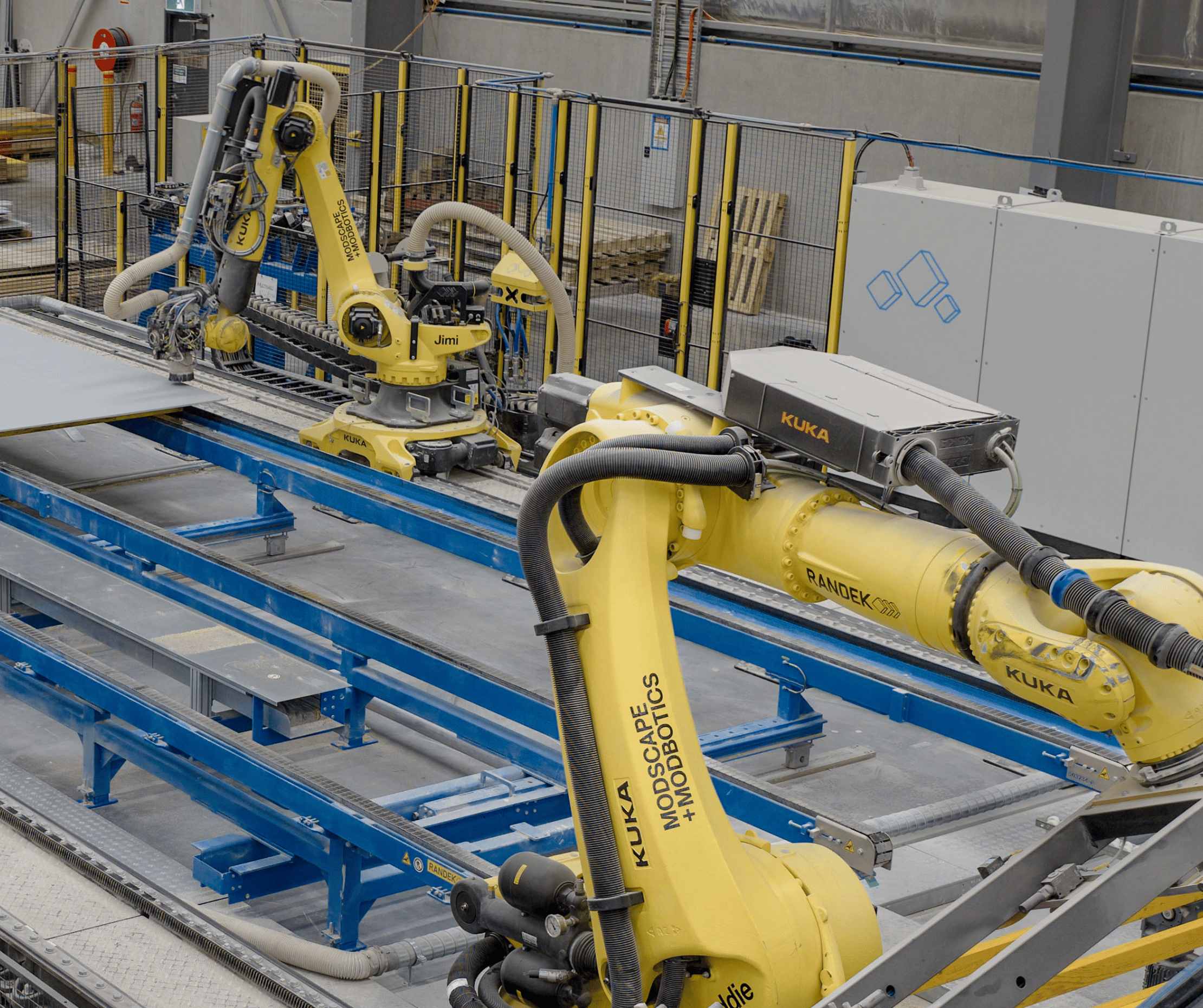
MMC encompasses a range of innovative approaches to designing, manufacturing and delivering buildings – including prefabrication, modular construction, advanced manufacturing techniques and other offsite production methods.
“MMC is best understood as a continuum, not a single technology or product category,” states the BuildSkills report. At one end is conventional site-based construction, and at the other end is a more industrialised model where design, planning and production are resolved upstream.
Earlier this year, Standards Australia released SA HB 268: Prefabricated building — Glossary of terms. The glossary aims to set a baseline of clear, consistent definitions for terms used in the design and construction of prefabricated and modular buildings in Australia.
BuildSkills Australia says MMC offers the potential to expand Australia’s construction capacity through more productive ways of building.
But what does it actually mean for the people who design, manufacture and deliver homes and infrastructure?
According to the report, “the key workforce implication of MMC is not that it creates an entirely new set of jobs and skills. It is that it changes how much labour is required, what kind of labour is required, and where expertise is applied across the construction value chain.”
“MMC’s core value proposition rests on the promise of delivering buildings and structures with fewer labour hours per unit of output.”
BuildSkills Australia
MMC aims to transfer skills from individual tradescraft into the production system itself, creating more efficient and stadardised production steps.
There are four key areas where the MMC transition is most relevant.
- Pre-production capability: designs are translated into machine instructions.
- Factory assembly and process execution: A larger share of work is undertaken in controlled production environments, and work is more likely to be pre-cut system-driven.
- On-site assembly and installation: On-site work becomes less about construction and more about installation, connection and integration.
- System integration: Aligns the design, production, and site conditions and is critical in MMC because the methodology depends on information flowing accurately across the entire process.
These new methods can be supported through the evolution of existing skills and training pathways, rather than wholesale workforce disruption.
Executive Director Future Workforce at the Housing Industry Association (HIA), Mike Hermon, says MMC is not about replacing workers, but about changing where and how work is undertaken across the building and construction supply chain.
“The report makes it clear that as the industry adopts new construction methods, the need for skilled workers does not disappear,” he says.
“Instead, tasks may shift between construction sites, manufacturing facilities, design functions and supply chain operations.”
The report identifies four priority reform areas, which focus on practical workforce development measures that can be implemented alongside industry adoption.
These priorities include:
- Monitoring MMC adoption rates and workforce impacts before considering broader reforms to qualifications and training structures.
- Upskilling professional and paraprofessional occupations involved in design, engineering, project management and construction delivery.
- Supporting structured learning and training arrangements for proprietary MMC systems and products.
- Improving labour market signalling to help industry and training providers respond to emerging demand, rather than creating entirely new training pathways prematurely.
“MMC adoption remains at varying stages across different construction sectors and regions,” says Hermon.
“Future workforce reforms should be informed by actual uptake and demonstrated skills needs rather than assumptions about how quickly these methods may be adopted.”
Feature image courtesy of BuildSkills Australia.
PREV
NEXT
Comments
Advertisements

Recent news
- Beijer Ref appoints new CEO
- Building ministers pledge NCC modernisation
- Recognising and celebrating progress and change
Latest events
- Recognising and celebrating progress and change
- Adam Morgan shines in Shanghai
- IOR opens nominations for J&E Hall Gold Medal
Leave a Reply