 Nick Johns-Wickberg
GBCA unveils built environment nature roadmap
The Green Building Council of Australia (GBCA) has released a new nature roadmap for the built environment.
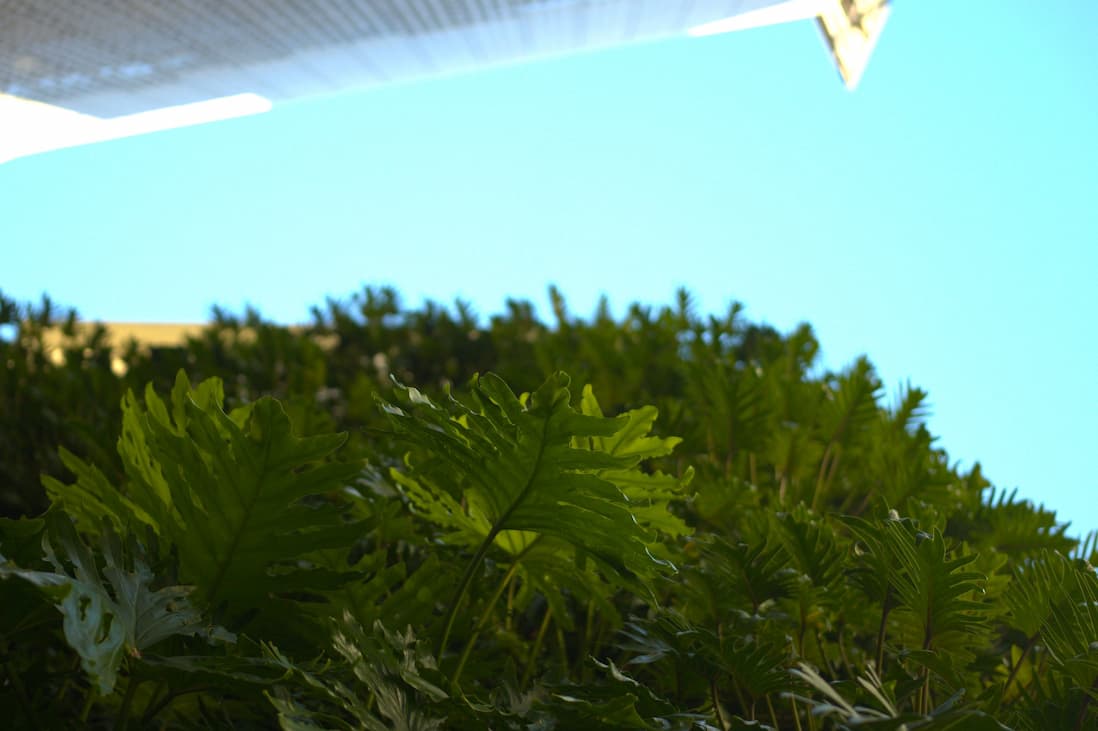
According to the GBCA, the roadmap sets out clear targets and timeframes to help the built environment protect, restore and regenerate nature.
This comes in response to growing expectations that planning, design and construction play a more active role in addressing nature loss, not just minimising harm.
GBCA Chief Executive Officer Davina Rooney says natural principles are increasingly shaping planning and development decisions.
“Nature is playing a much more central role in how developments are planned, delivered and assessed,” Rooney says.
“This roadmap sets out a level of detail and commitment we have not seen before, with clear targets and timeframes that show what needs to change and allow progress to be tracked.”

What’s in the roadmap?
According to the GBCA, the roadmap identifies five key challenges affecting nature outcomes:
- Fragmented policy
- Accelerating development in biodiverse areas
- Low circularity
- Resource-intensive construction
- Long-standing underinvestment in nature.
In response, the roadmap sets out five core principles for new development that the GBCA says will help put the built environment on a path toward improved nature outcomes. The principles aim to:
- Prevent further nature loss
- Restore and reconnect ecosystems
- Increase circularity and urban infill
- Prioritise lower-impact materials
- Invest in nature restoration.
Each principle is supported by specific targets across near, medium and long-term timeframes, including milestones in 2028, 2030 and 2035, and a long-term direction to 2050.
Translating policy into action
According to the GBCA, the roadmap provides a practical framework to help industry understand expectations early, make better decisions through the development process, and track progress over time.
It also translates the targets and goals of the Kunming–Montreal Global Biodiversity Framework into practical guidance for the Australian built environment.
“One of the key insights is the need to reduce pressure on nature by increasing circularity across the built environment – reusing materials, reducing waste and supporting more compact urban development,” says GBCA Chief Impact Officer Jorge Chapa.
“These priorities are already being embedded in Green Star, including new circularity credits in Green Star Buildings v1.1 that support better use of materials and resources.”
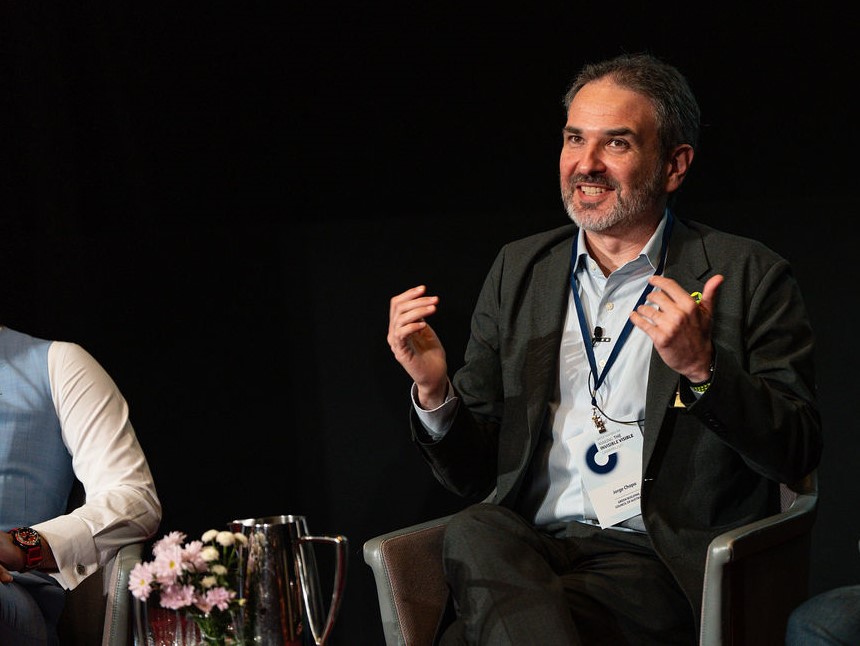
The nature roadmap builds on more than four years of GBCA work on nature and biodiversity, informed by consultation with industry, government, finance and First Nations stakeholders. It has been guided by GBCA’s Nature Advisory Panel, which brings together expertise from development, infrastructure, materials, government and sustainability.
Read the roadmap
You can access A Nature Positive Roadmap for the built environment: Trajectories for new developments for free via the GBCA website.
PREV
NEXT
Comments
Advertisements


Recent news
- General sweetens the deal on ducted systems
- Honeywell releases new gas sensor for high-risk environments
- ASHRAE calls for abstracts for 2027 Winter Conference
Latest events
- ASHRAE calls for abstracts for 2027 Winter Conference
- ARBS 2026 Awards finalists announced
- Program confirmed for REB26 at the MCG
Leave a Reply