 Laura Timberlake
Au revoir, boilers: France turns off the gas
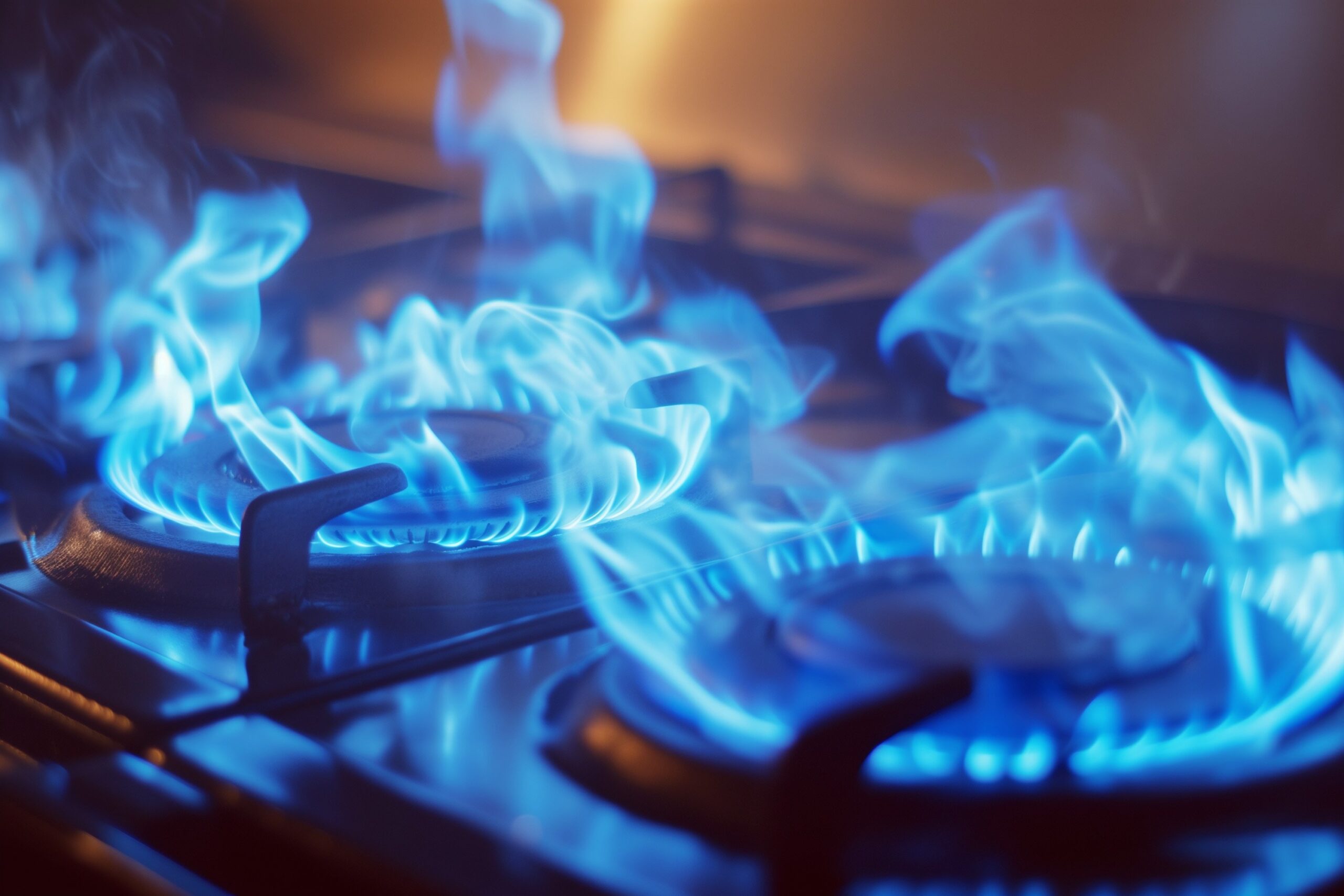
French Prime Minister Sébastien Lecornu has announced a ban on installing gas boilers in all new builds from January 1, 2027, in order to reduce the country’s dependence on fossil fuels.
The bans form part of France’s move to fulfill the mandates of the European Union’s 2024 Revised Energy Performance of Buildings Directive (EPBD) within national law.
In a public address, the Prime Minister said the government would double its current support for electrification from €5.5 billion to €10 billion by 2030. The government has also said it will install 1 million heat pumps annually by 2030.
“As long as we depend on oil and gas, we will continue to pay the price for other people’s wars,” said Lecornu.
France has already banned oil burners in all buildings since 2022, and gas boilers were being phased out in home dwellings.
The government said a total of 85 terawatt-hours of gas is expected to be replaced by energy produced in France by 2030 – the equivalent to 20% of French gas imports.
Earlier this year, the City of Sydney banned gas on all new residential and commercial construction projects within the local government area. The issue caused hot debates within the council and NSW state government, and in 2023 NSW Premier Chris Minns rejected a state-wide ban on new gas connections.
However, supporting councillors claimed the change would save households up to $626 on their power bills each year.
Victoria is following close behind with the Gas Substitution Roadmap (GSR), which is part of a broader strategy aimed at supporting Victoria’s transition to clean energy. Victoria builds more than 50,000 new homes each year, with approximately 40,000 connecting to the gas network.
From January 1, 2027, all new homes and most new commercial buildings will be required to be built all-electric. From March 1, 2027, gas hot water systems in existing homes must be replaced with electric alternatives once they reach end-of-life.
Aside from cutting emissions and improving energy efficiency, it is believed that electrification improves indoor air quality.
A study by Woolcock, a breathing and sleep research company, found that 12.3% of current childhood asthma could be attributable to exposure to gas stove emissions.
The company believes using electrical appliances is cleaner for homeowners, and that reverse cycle air-conditioning is the most efficient and clean form of heating and cooling.
PREV
NEXT
Comments
Advertisements

Recent news
- City Facilities Management secures decade-long Coles deal
- Delivering energy wins through cooling innovation
- Crooks cook French frozen food aisles
Latest events
- Adam Morgan shines in Shanghai
- IOR opens nominations for J&E Hall Gold Medal
- Nominations open for IIR scientific prizes
Leave a Reply