Page 84
All posts
-
AIRAH granted membership of Standards Australia
The Board of Standards Australia has granted the Australian Institute of Refrigeration, Air Conditioning and Heating (AIRAH) membership of Standards Australia. The nation’s peak non-government standards-development organisation, Standards Australia operates as an independent, non-government, not-for-profit outfit. The work of Standards Australia and its contributors from industry, government and the consumer sector enhance the nation’s economic […]
-

Breaking the bias in HVAC&R
To mark International Women’s Day (IWD) and its theme for 2022, AIRAH has launched a survey to collect and share experiences of gender in Australia’s HVAC&R building services sector, and identify ways to “break the bias”. Sharing experiences The survey was initiated by the Women of AIRAH special technical group (STG). Ura Sarfejoo, M.AIRAH, is […]
-

ABCB appoints Gary Rake as CEO
The Australian Building Codes Board (ABCB) – the body responsible for updating and maintaining the National Construction Code (NCC) – has appointed Gary Rake as CEO. Rake comes to the ABCB with more than 25 years’ experience in senior positions across the public and private sectors. An economist and accountant by profession, his range of […]
-
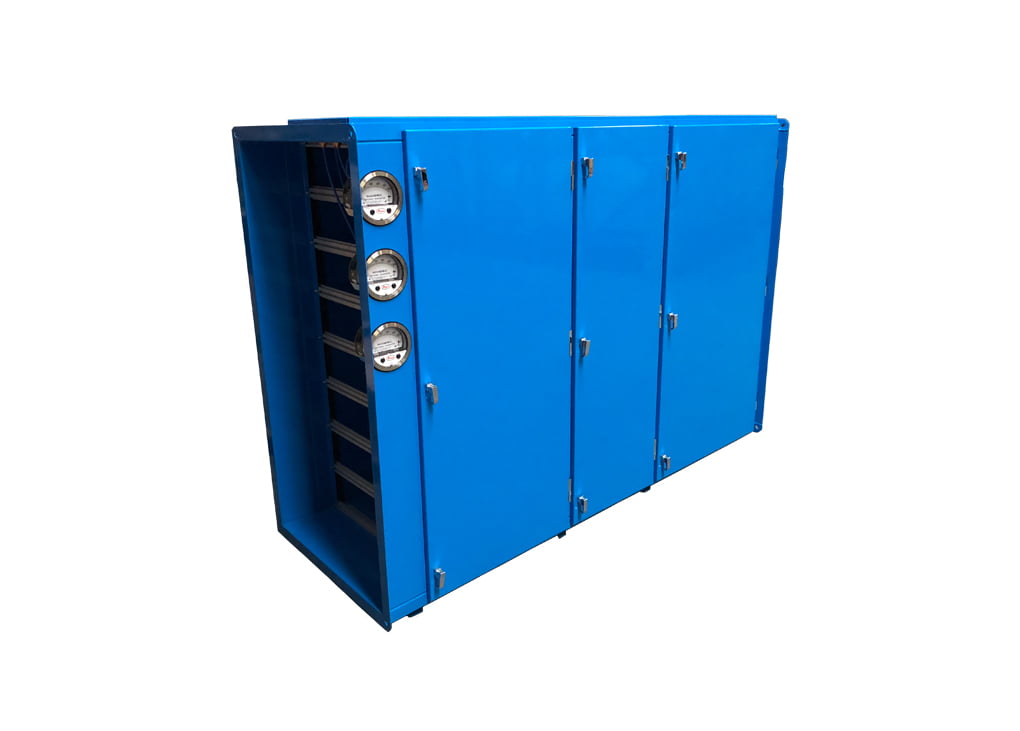
Camfil Kaire Unit named AIRAH Product of the Year
Camfil’s Kaire Unit has been named AIRAH 2021 Product of the Year – a prestigious, peer-reviewed award recognising excellence in product manufacture within the Australian HVAC&R industry. This Australian designed and manufactured multi-staged, combination filtration system was designed to control light to heavy kitchen exhaust emissions (smoke, grease and cooking odours) for all types of […]
-

Hydroflow appoints Matt Swanson as HVAC lead
Hydroflow Distributors has appointed Matt Swanson as Senior HVAC Business Development Manager. He will be responsible for business improvement across Australia through specification and sales of the IMI TA (Tour & Andersson) product portfolio. Swanson comes to the role with significant experience in international product management and national sales management. He previously held the positions […]
-

New wireless wall sensors from Optergy
Optergy has announced the launch of a new wireless wall sensor range: Optergy Air. The first product available in the range is the Optergy Air Wireless Temperature and Humidity (BW-TH) wall sensor. The Optergy Air product range will detect and read an array of environmental metrics, and is suitable for offices, schools and other commercial […]
-
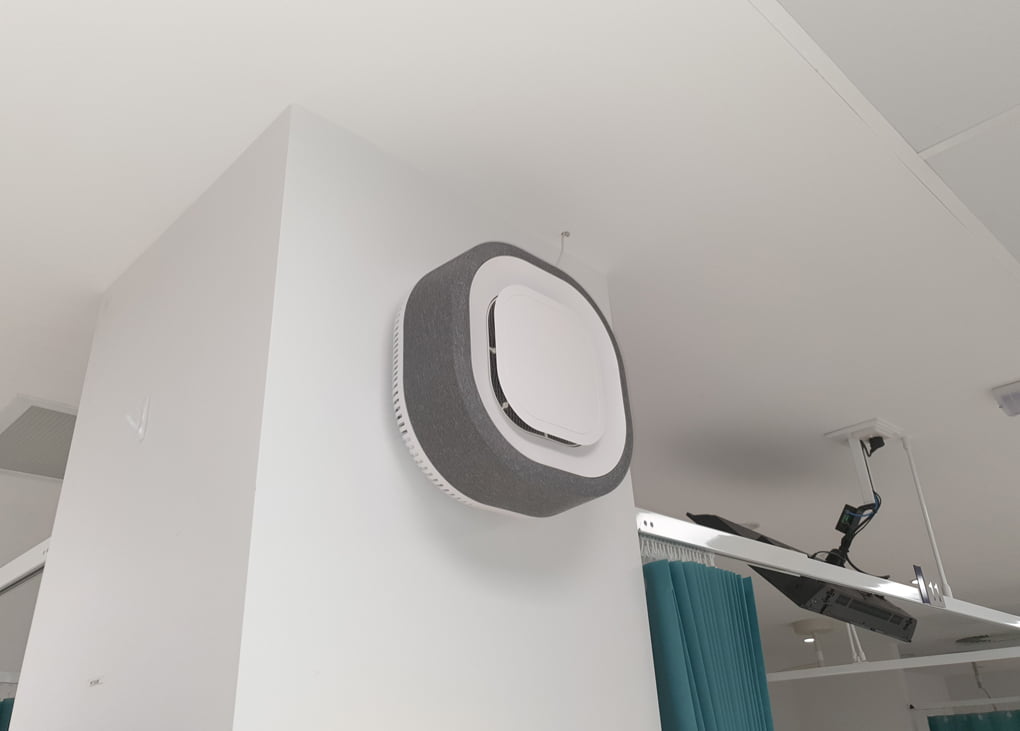
Clean-Air Australia offers Aura Air units
Clean-Air Australia is now supplying and installing Aura Air Purification units as standalone devices for business or domestic use. The units feature UVC as well as patented HEPA Ray-Filter technology. According to Clean-Air Australia they are an easy-to-install, safe and effective air purifying technology. The units provide real-time IAQ data via a smartphone app or […]
-

New research aims to end the refrigeration of vaccines
CSIRO researchers have developed a technique that addresses the challenges inherent in transporting temperature-dependent vaccines. The aim and hope of the research is to increase access to vaccines for those in rural and remote communities in Australia and developing countries. The World Health Organization estimates that every year at least 50 per cent of vaccines […]
-
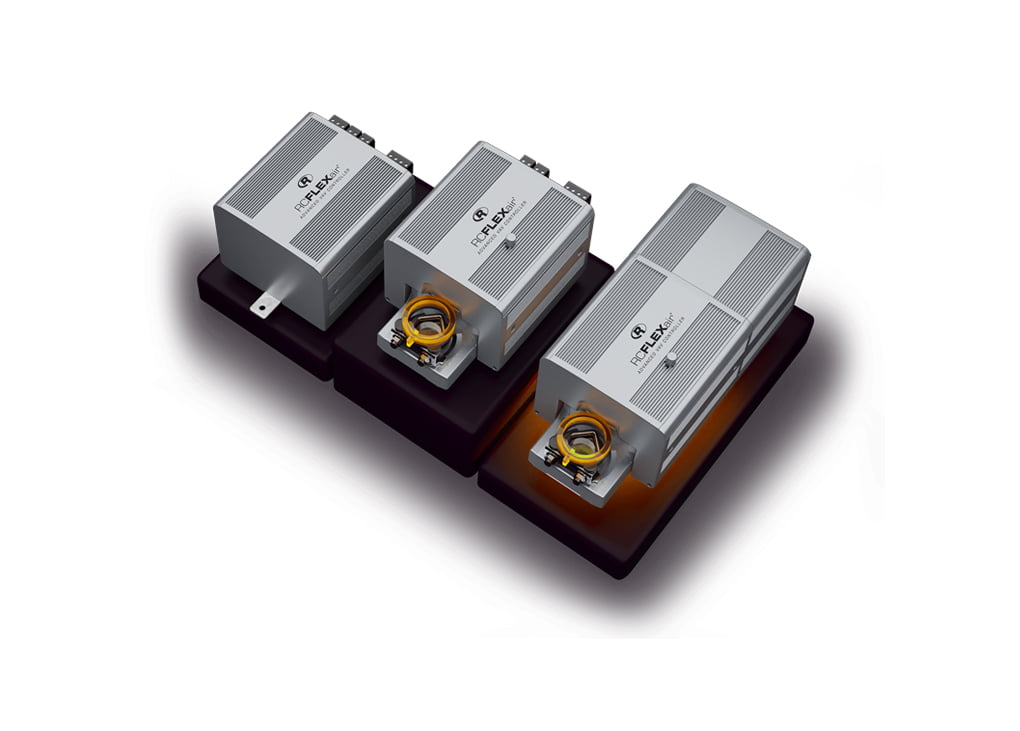
Reliable Controls launches RC-FLEXair controller
Reliable Controls has introduced a new generation of building controllers with the launch of the RC-FLEXair advanced VAV controller. The freely programmable RC-FLEXair is a BACnet building controller designed for a wide range of variable air volume and room control applications. According to the company, it is the culmination of two years and tens of […]
-

Micro courses to improve leadership skills
The Institute for Sustainable Leadership is offering two micro courses to help participants develop their people skills. The “Essential Leadership Tools” course provides training in the basic leadership tools needed to improve team and individual efficiency and productivity while enhancing staff motivation. Dr Gayle Avery leads the course, bringing her global experience and real-life knowledge […]
-
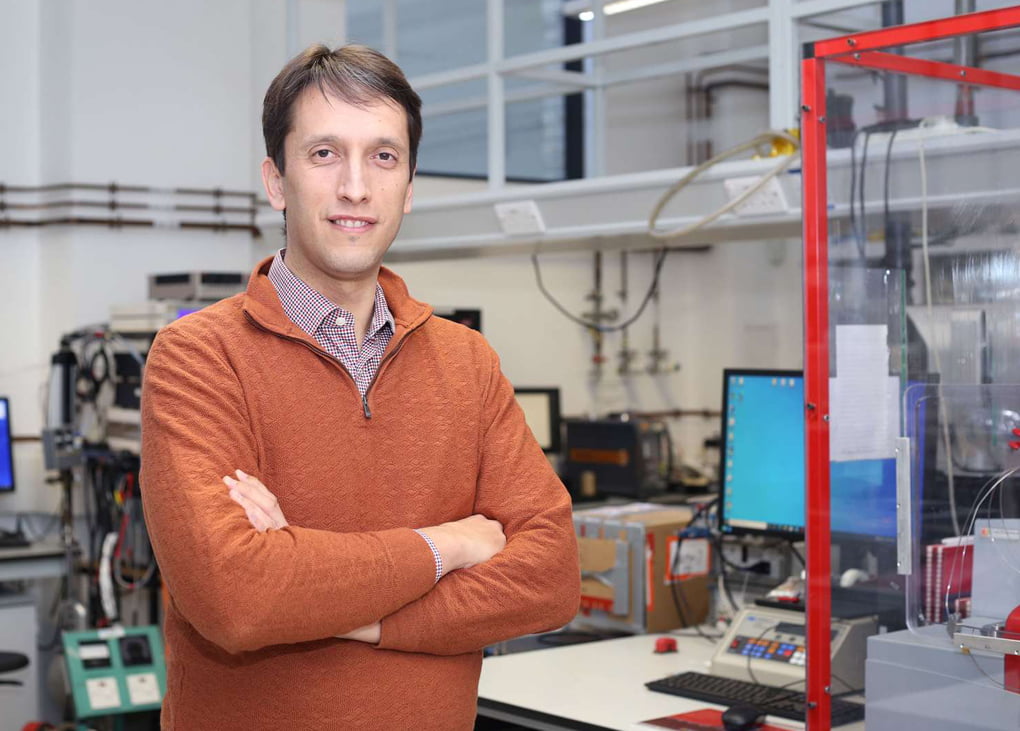
Solid-state refrigeration tech wins £1.3m funding
A zero-carbon refrigeration start-up company has received funding to commercialise its refrigeration technology, which aims to cut global emissions. Barocal, a spin-out from Cambridge University, has secured £1.3m to develop the solid-state temperature changing materials that work in both heating and cooling applications. The barocaloric materials offer a zero-carbon alternative to gas-compression cooling and heating. […]
-
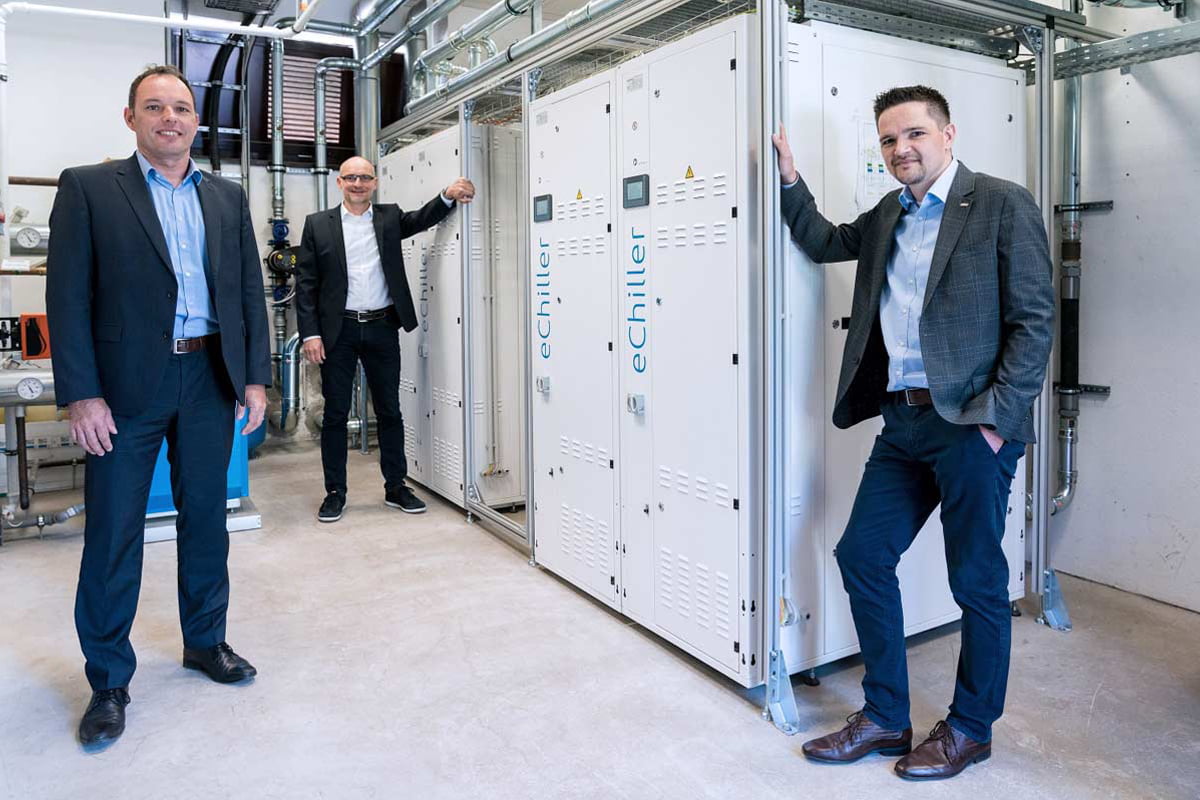
‘Climate-neutral’ chiller that runs on water
Refrigeration specialist Efficient Energy is claiming a world first with the launch of a climate-neutral chiller that uses water as a refrigerant. The German company made news last year when it won third place in the Deloitte Technology Fast 50 ranking – an award for the fastest growing companies in the country. This growth was […]
-
Opira Group opens new office in NSW
The Opira Group recently opened an office in New South Wales, and says it is seeking to expand its service offering to national clients. The new site adds to existing branch locations in Brisbane, Sydney, Melbourne and Perth. It will be managed by Gregor Riese, Affil.AIRAH, who has a background in occupational hygiene with a […]
-
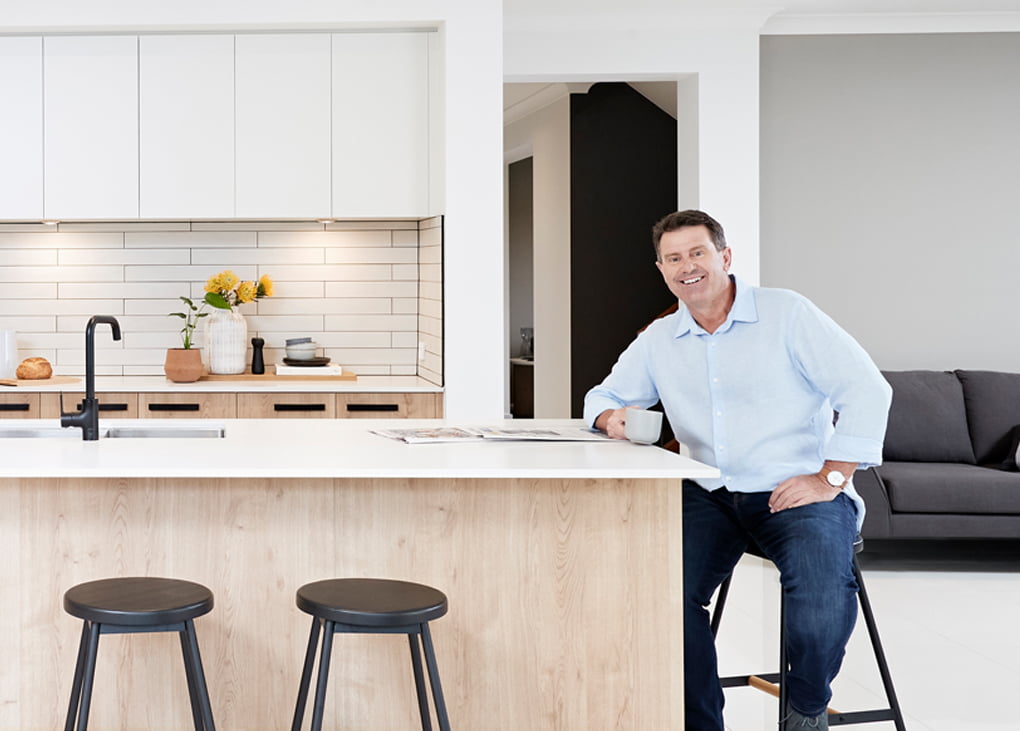
Mark Taylor extends his innings with Fujitsu
Fujitsu General Australia has announced that Mark Taylor’s contract as brand ambassador has been extended to 2025, taking the partnership to 27 years. The agreement was established in 1998 and according to Fujitsu is already one of the longest personal endorsement agreements in Australia. “Mark has done a terrific job as brand ambassador for Fujitsu […]
-
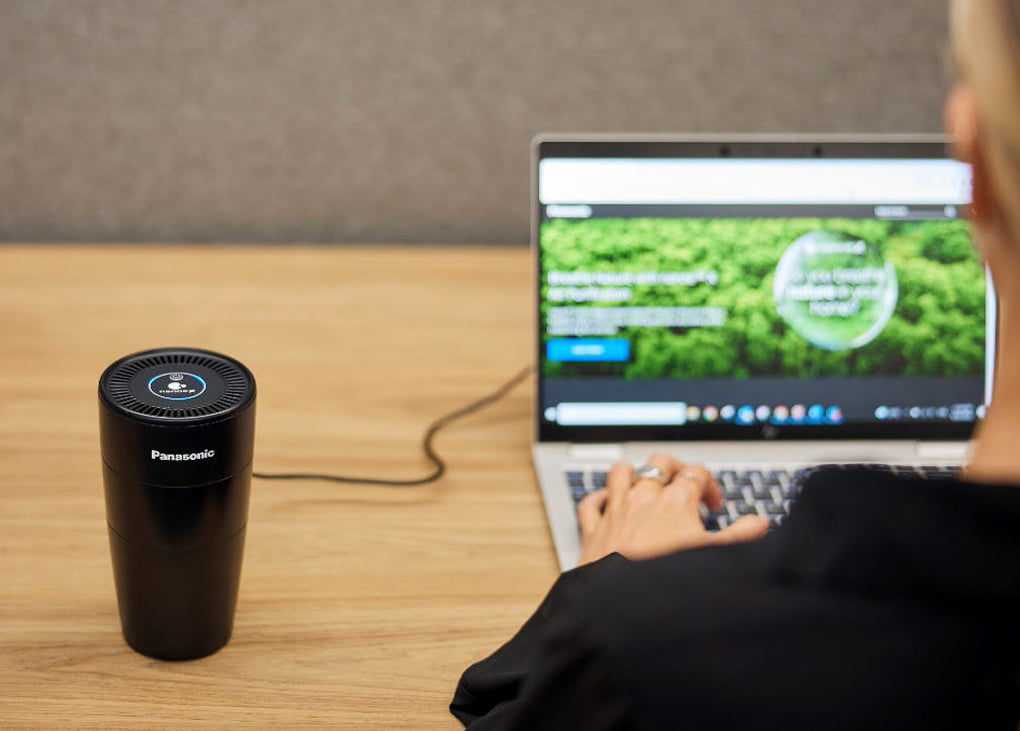
Panasonic launches Portable nanoe X Generator
Panasonic has launched the Portable nanoe X Generator as part of an initiative with flex space provider Hub Australia to champion the topic of indoor air quality and facilitate a new way for workers to return to the office. The clean air initiative incorporates Panasonic’s nanoe X technology, which is designed to inhibit indoor pollutants […]
-

ABB and EEC join forces for energy efficiency
ABB will partner with Australia’s Energy Efficiency Council (EEC) to support an aligned mission to drive industrial energy efficiency. ABB will be involved in the Council’s initiatives related to policy and advocacy, business growth, and professional development Upcoming projects will facilitate a broader based platform for helping industry and infrastructure to acquire the information needed […]
-

Beating the heat at MENA Climate Week 2022
The first ever Middle East and North Africa (MENA) Regional Climate Week is being held in March to accelerate collaboration and integrate climate action into global pandemic recovery. MENA Climate Week 2022 will provide a platform for governments, cities, private sector leaders, financial institutions and civil society to discuss opportunities to build forward from the […]
-
Report confirms massive demand for engineers
The latest Australian Engineering Employment Vacancy Report, produced by Engineers Australia, shows that demand for engineers is at a 10-year high. It also warns that this is exacerbating the existing skills crisis. According to the report, the number of jobs advertised increased 50 per cent nationally in 2021. Demand grew most strongly in Queensland, New […]
-
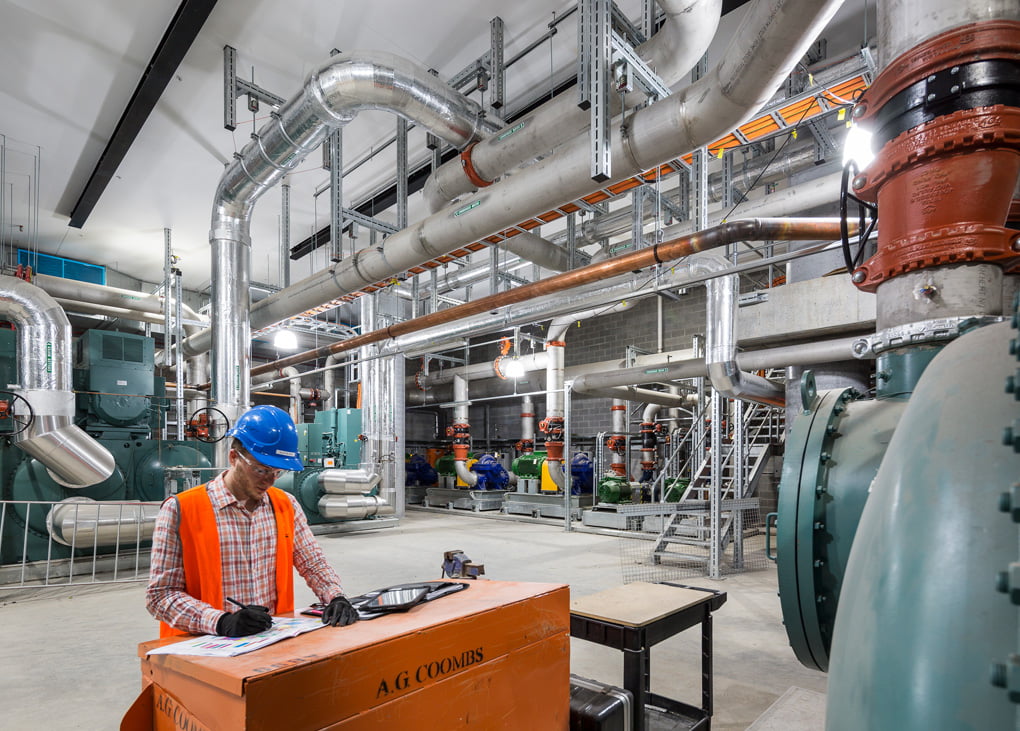
A.G. Coombs issues advice on commercial HVAC refrigerants
A.G. Coombs has produced an update on its advice about refrigerant use for commercial HVAC systems. “As the world grapples with rising temperatures caused by the emission of greenhouse gases, refrigerants are under renewed scrutiny,” A.G. Coombs says. “Common refrigerants are classified as greenhouse gases, which can be hundreds or even a thousand times worse […]
-
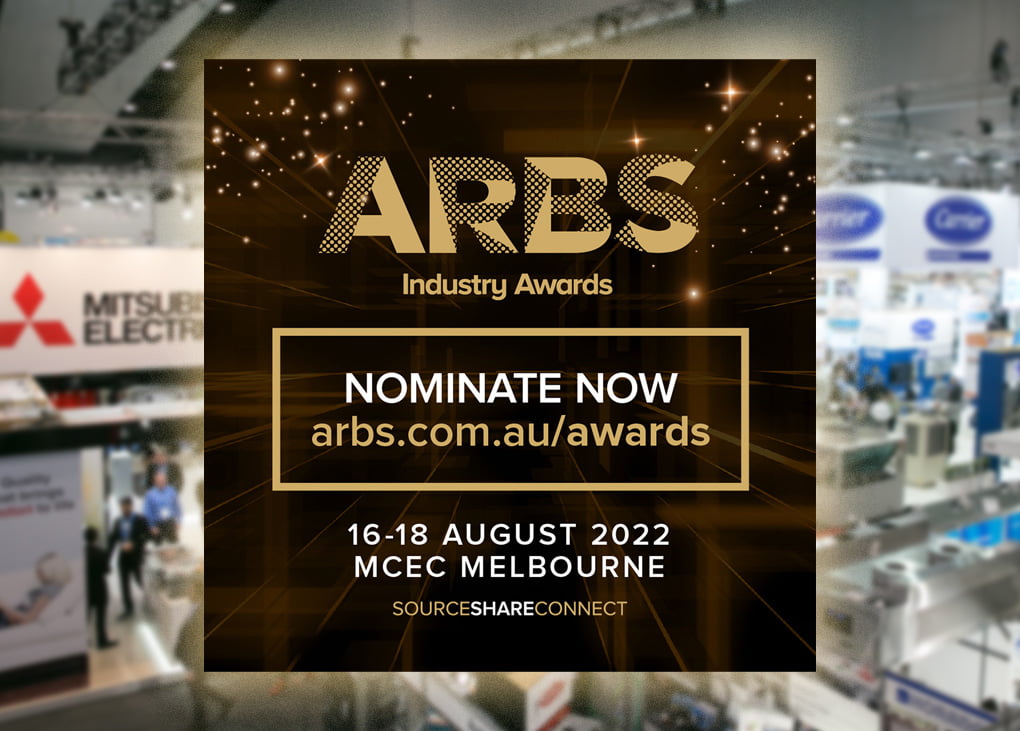
Final call for ARBS 2022 Industry Award nominations
The deadline for entries into the ARBS 2022 Industry Awards is quickly approaching, with submissions due 5pm on February 28. “Held alongside the ARBS 2022 exhibition, the ARBS Industry Awards are an opportunity for the Australian HVAC&R and building services community to celebrate the extraordinary talent which sustains the industry,” ARBS says. The award […]