 Mark Vender
New studies explore causes and consequences of TFA accumulation
Research continues into increased levels of trifluoroacetic acid (TFA) in the environment, with refrigerants found to be a dominant source.
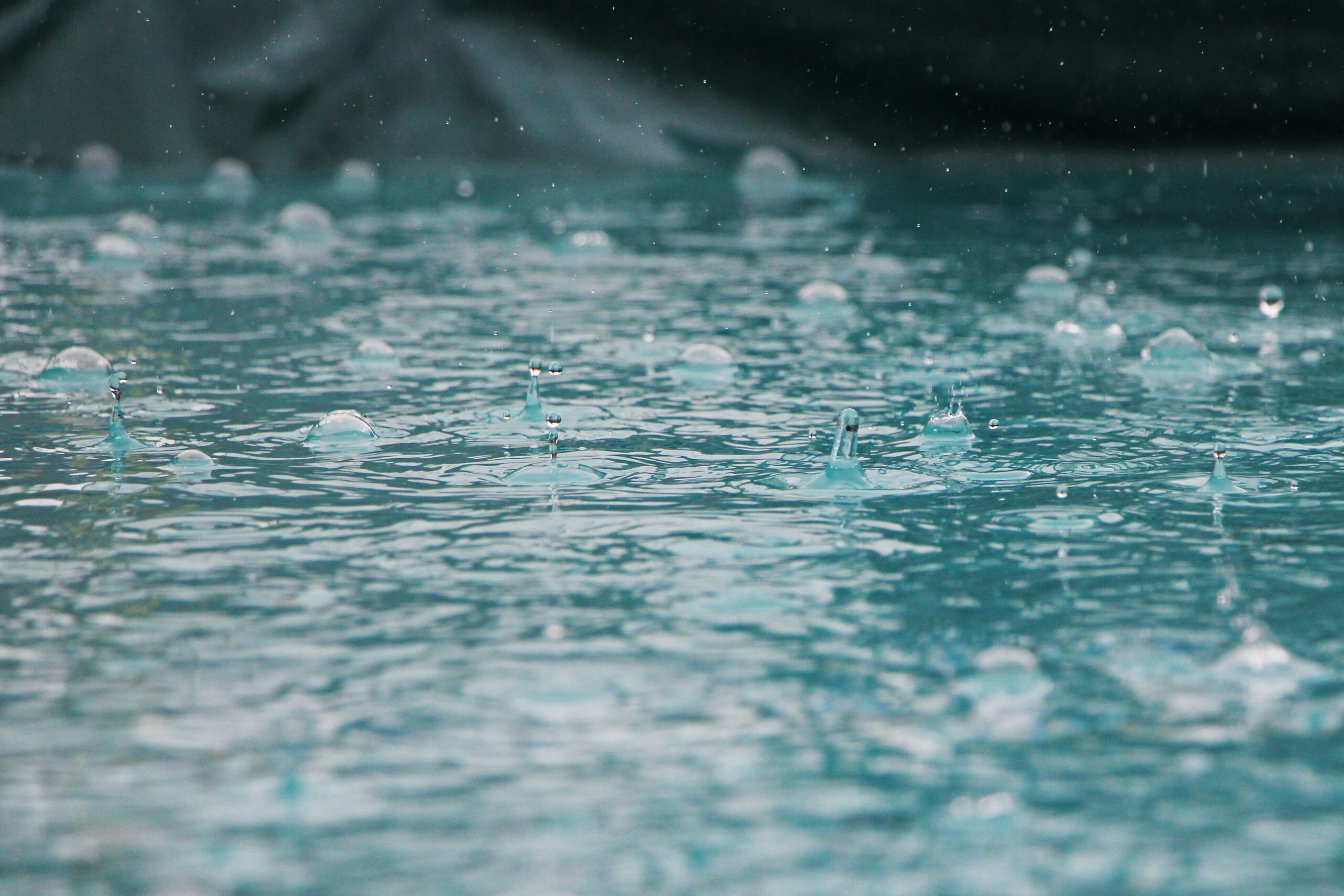
In recent years, concerns have increased about the potential for some refrigerants to deposit or break down into TFA – a short-chain PFAS (per- and polyfluoroalkyl substance) that persists in the environment for an extremely long time, and may have impacts on health.
More studies are now emerging that explore the sources of TFA, the risk it will exceed planetary boundaries, and the costs of allowing these “forever chemicals” into the environment.
TFA growth linked to CFC replacements
A significant body of research has previously confirmed that TFA levels are rising in rainwater, drinking water, soil and plants. A new study, led by academics at Lancaster University and published in Geophysical Research Letters, has sought to provide a better understanding of the sources.
The researchers used a global atmospheric model to quantify how much TFA can be attributed to the breakdown of HCFC and HFC refrigerants, as well as inhalation anaesthetics. It found that 335,500 tonnes of TFA was deposited to the Earth’s surface from these sources between 2000 and 2022.
Although HCFCs are being phased down due to their ozone-depleting impacts, and HFCs due to their global warming potential, the study found TFA production is still rising, with a 3.5-fold increase in production from HCFCs and HFCs between 2000 and 2022. Peak production is expected anywhere between 2025 and 2100.
The study notes that TFA pollution spreads globally. Model comparisons to ice-core records suggest that long-lived fluorinated gases are the major source of TFA in otherwise pristine areas such as the Arctic.
At the same time, new HFO refrigerants such as R1234yf, which break down in the atmosphere faster than HCFCs and HFCs with a higher yield of TFA, generate locally elevated levels of forever chemicals in areas with extensive infrastructure or manufacturing.
Overall, the results reinforce growing concerns around the production of TFA and its potential to be a planetary boundary threat.
Swiss study
Another new study, led by researchers in Switzerland, presents comprehensive measurement and modelling of TFA sources, burdens and exports for the country as a whole. It combines three years of continuous observations from an extensive network of precipitation and surface water sites with simulations of atmospheric degradation of fluorinated gases. Precipitation samples dating back to 1984 were also analysed to document the history and trend of TFA deposition in Switzerland and its relation to atmospheric precursor gases.
This work is important in establishing where TFA originates, which will be key in any efforts to prevent ongoing pollution. As well as refrigerants, other anthropogenic sources include direct use and discharge from chemical industry and wastewater treatment plants, some pharmaceutical products, and pesticides.
Although early studies argued that there were also natural sources of TFA, more recent work has shown that such sources cannot explain the large increases in TFA in the environment.
The new study found that TFA concentrations in precipitation have increased in Switzerland by at least a factor of four in the past three decades, and in rivers by a factor of six.
Atmospheric modelling attributed a large fraction of this increase to the degradation of long-lived HCFCs, HFCs, and inhalation anaesthetics (12–17%) and short-lived HFOs (40–54%). In terms of refrigerants, the largest contributor was R134a. R1234yf, an HFO, was identified as the single most important short-lived precursor, with emissions in Europe growing quickly.
The study notes that HFO usage is expected to increase out to 2050, meaning that expected TFA deposition rates for Switzerland and other parts of Central Europe could reach levels 10–20 times larger than now – close to or above recommended safety thresholds for drinking water.
Estimating the costs
Another aspect of TFA accumulation is quantifying the financial impact on society.
A new report commissioned by the European Commission’s Directorate General for Environment and delivered by WSP, Ricardo and Trinomics, assesses the societal costs of PFAS pollution in the European Economic Area (EEA). Titled “The cost of PFAS pollution to our society”, the publication builds on previous work to quantify current and future costs under four hypothetical scenarios, ranging from business as usual to a total ban on PFAS production and use.
Although there are thousands of PFAS in existence, the study focuses on acids, precursors to acids, polymeric PFAS and fluorinated gases for which there is the necessary evidence to estimate costs. It includes TFA as an emerging PFAS of concern, with refrigerants and pesticides highlighted as the major sources. The report notes that although TFA has a much lower toxicity than some other PFAS, it is also highly persistent. Environmental concentrations are also in an order of a magnitude higher than other PFAS.
The report considers three types of costs:
- The human health impacts of PFAS pollution (limited at this stage to the regulated PFAS for which scientific literature on health impacts is sufficiently developed)
- Remediation and treatment of soil and water to remove PFAS pollution
- Ecosystem service costs – PFAS may affect ecosystem services that contribute billions of euros to the European economy.
As TFA is not yet regulated and the health impacts have not been confirmed, it was excluded from the assessment of health impacts. The report does note, however, that the increasing blood serum levels of other PFAS types that are not yet sufficiently studied in the scientific literature and could not be quantified are likely to result in an increase in the combined disease burden from all PFAS pollution between 2025 and 2050.
Removing TFA from drinking water was calculated separately, due to uncertainties in the costs, but the report notes that including TFA would increase drinking water treatment costs dramatically – by around €14–15 billion per year.
The study found that of the four scenarios modelled, stopping production and uses of PFAS completely would have the lowest societal costs.
The findings will feed into EU discussions on pollution remediation, reduction of emissions at source, monitoring, and research needs.
PREV
NEXT
Comments
Advertisements


Recent news
- ARBS 2026 Awards finalists announced
- Government announces shift in refrigerant management
- Program confirmed for REB26 at the MCG
Latest events
- ARBS 2026 Awards finalists announced
- Program confirmed for REB26 at the MCG
- Workshop: lowering heating hot water temperatures in electrification retrofits
Leave a Reply