 Nick Johns-Wickberg
QUT researchers use AI to optimise urban greening
Researchers from Queensland University of Technology (QUT) have developed an AI-powered tool for optimising the location and type of urban greenery, potentially cooling cities by up to 3.5°C.
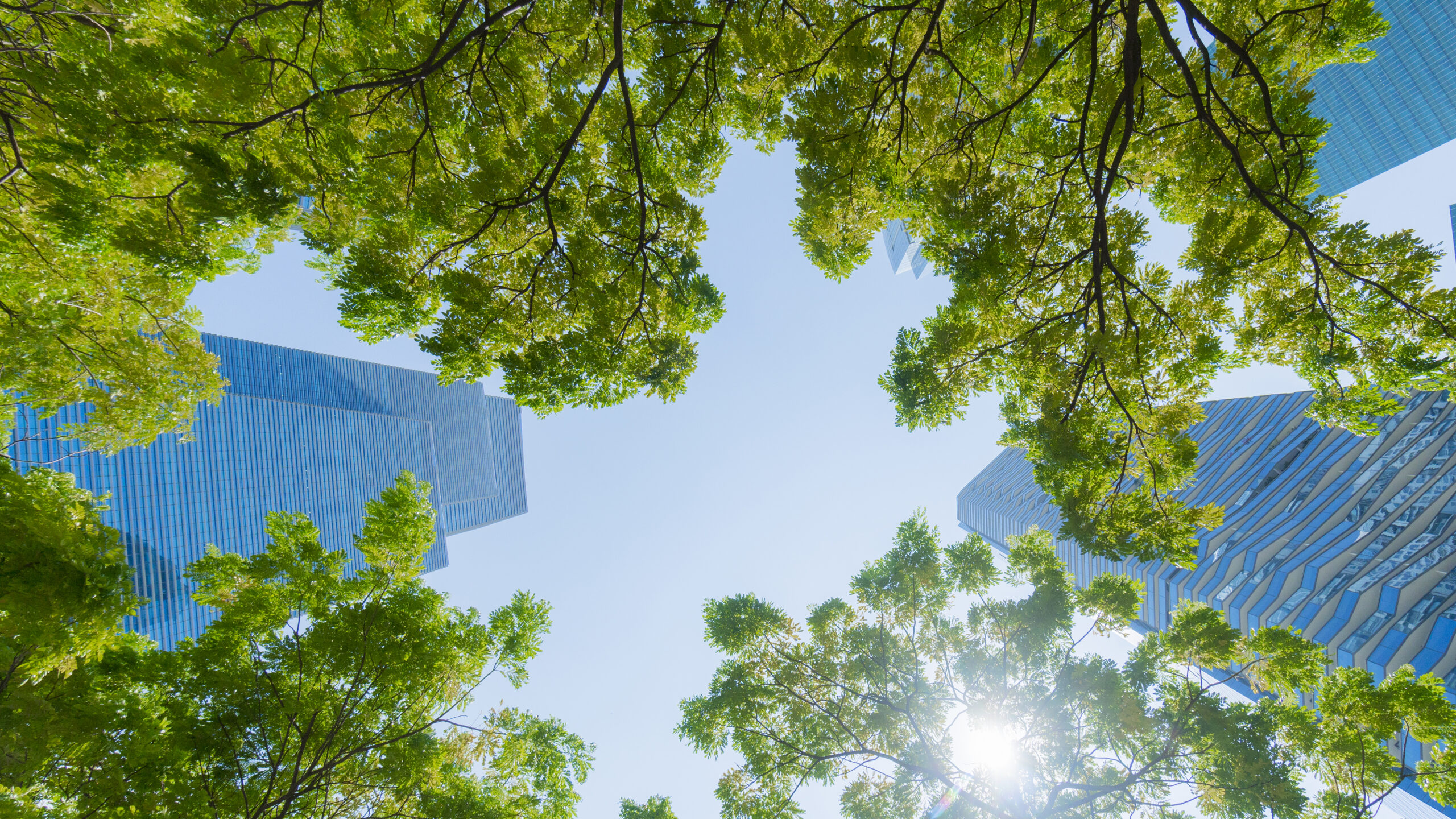
In a study published in Cities, the researchers used AI to create a framework comparing “feels like” temperatures against the functional cooling properties and resilience of various plant species. The aim is for city planners to use the framework to prioritise species and location of tree plantings in urban areas at risk of overheating during extreme heat.
“The urban heat island effect – where built-up areas experience higher temperatures than surrounding areas – increases heat discomfort, energy consumption, and public health risks, especially for the elderly, children and low-income communities,” says PhD researcher Abdul Shaamala from QUT’s School of Architecture and Built Environment, the first author of the report.
“The strategic placement of urban trees chosen for their shade and cooling capacities is a promising way to harness their capacity to moderate microclimatic extremes.”
QUT PhD researcher Abdul Shaamala
“Conventional greening initiatives bring the benefits of shade and evapotranspiration (cooling of the air by releasing water vapour) but often use static, aesthetic-driven plantings that don’t address the complexity of urban heat flows, nor the crucial influence of species-specific traits and localised climatic conditions.
“To address this, we developed a framework to design urban greening strategies that would be responsive to dynamic and intensifying outdoor heat stress.
“We used AI to create the framework incorporating the Universal Thermal Climate Index, which measures the ‘feels like’ temperature for humans, with the functional traits of different tree species to improve resilience of microclimates in the built environment.”
The team conducted the study in extreme summer conditions on Bribie Island, Queensland, a newly developed suburb that was ideal for simulating new greening strategies.

Optimal species
The study incorporated four tree species chosen for their thermal performance, adaptability to the conditions of the study area, and canopy shapes, which influence their cooling potential and suitability for urban planting.
The tree species are:
- Ash, a medium-sized deciduous tree with a rounded canopy
- Brush box, a dense evergreen species with a dome-shaped, uniform canopy.
- Yellow wood, a compact evergreen species with a narrow, upright canopy.
- Queen palm, a tall palm species with a slender trunk, characterised by a fan-shaped canopy that performs well in Brisbane’s subtropical climate.
All four species were selected to bring a mix of canopy shapes and cooling functions.
“Using a specialised algorithm to explore combinations of tree placement and species assignment, we found the optimised configuration achieved a 22% reduction in areas hotter than 39oC, an 18% increase in the thermally comfortable zones and cooling benefits of up to 3.5°C,” Shaamala says.
Read the study
You can access the full study for free via the Elsevier website.
Featured image courtesy of Ultramansk via Freepik
PREV
NEXT
Comments
Advertisements


Recent news
- Program confirmed for REB26 at the MCG
- NSW and Queensland defer adoption of NCC 2025
- Navigating dire straits, from the bowser to the plantroom
Latest events
- Program confirmed for REB26 at the MCG
- Workshop: lowering heating hot water temperatures in electrification retrofits
- Our sector in the spotlight: takeaways from HVAC26
Leave a Reply