 Willow Aliento
Navigating dire straits, from the bowser to the plantroom
From shocks at fuel bowsers through to supply chain disruptions and financial market uncertainty, HVAC&R professionals need to adapt rapidly to the ramifications of the fast-moving Middle East conflict. Here’s what we know right now.
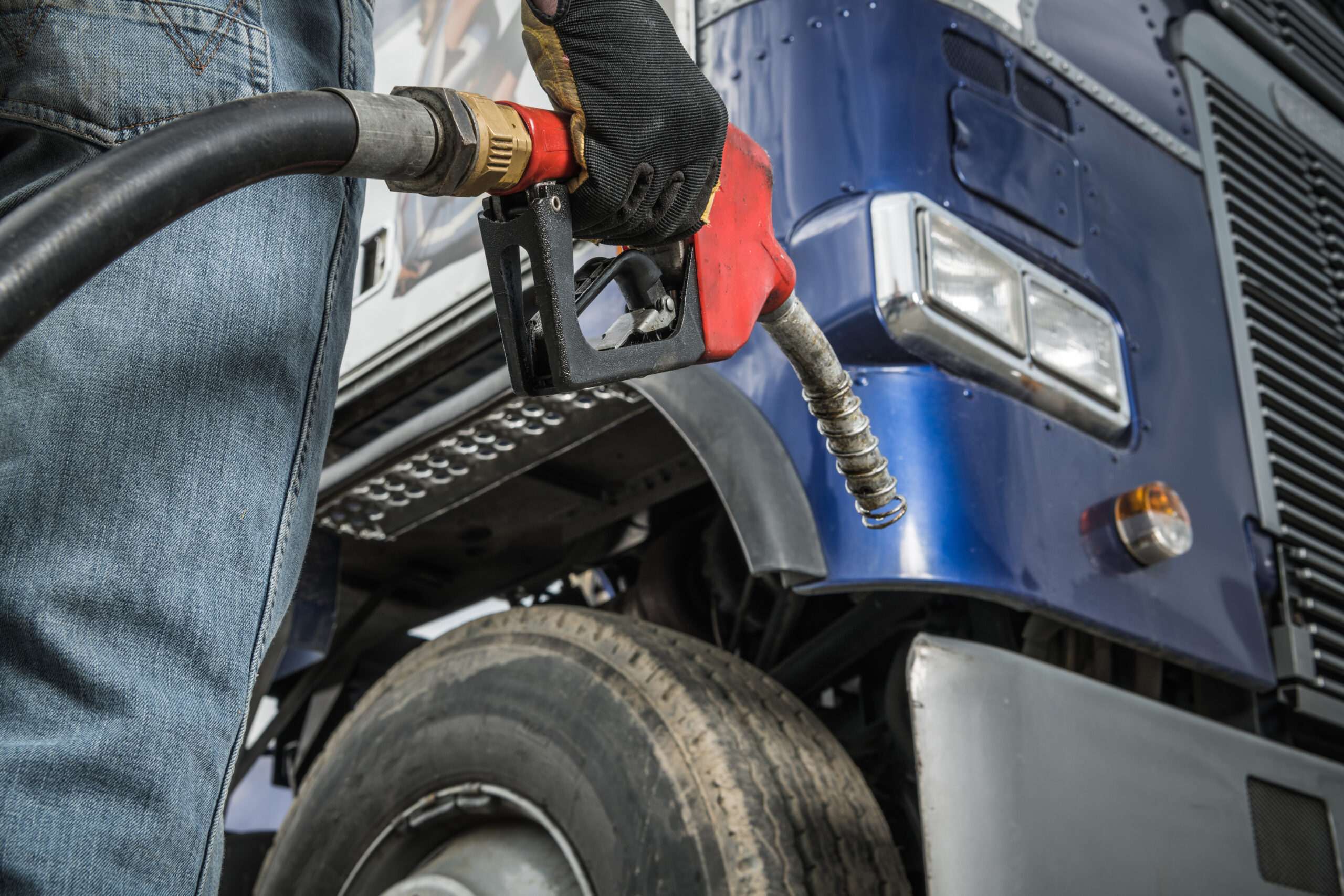
As fuel supplies come under pressure and the prices of petrol, diesel and natural gas soar due with disruptions to regular shipments of crude oil and petrochemicals through the Strait of Hormuz, the International Energy Agency (IEA) has suggested some simple measures people in every nation can take to help buffer the blows.
Visiting Australia in March and speaking at the National Press Club, IEA Executive Director, Dr Fatih Birol, said the current situation is the equivalent of combining the oil crises of 1973 and 1979 – plus the gas crisis after Russia invaded Ukraine – into one major crisis.
“The situation is very severe,” Dr Birol said. “The global economy is facing a major threat.”
The disruptions are causing both economic shocks and material impacts on the availability of oil, gas, refined petroleum products, diesel and substances including petrochemicals, sulphur, helium and fertilisers such as urea.
Asia is at the forefront of regions affected due to its traditional reliance on oil products from the Middle East that transit through the Strait of Hormuz.
This has flow-on impacts on transportation and freight, both within the region and throughout the Asia-Pacific. We’re seeing increased costs and reduced supplies of key enablers, including jet fuel, fuel for cargo ships, and diesel for trucking, train and power generators.
But it’s not just transport and logistics that are being affected; industrial sectors that rely on petroleum-based products – including all manner of plastics – could be facing longer-term disruptions.
Demand-side mitigation
Dr Birol said the IEA is recommending some specific demand-side measures to reduce the global economic burden:
- Adopt working for home policies where possible to reduce commuter fuel needs
- Drive at lower speeds on highways
- Reduce or avoid business air travel.
Indonesia, the UK and Vietnam are among the countries that have already acted on some of these suggestions. The Australian federal government has also been encouraging people to work from home, as well as suggesting that drivers adopt fuel-efficient practices on the road. For example, you can check out some “eco-driving” tips for freight transport via the Transport for NSW knowledge hub.
During question time, the topic of electrifying transport was raised. Dr Birol said he believes the current Middle East conflict will result in a further push for electrification of the transport sector.
AIRAH contacted the Electric Vehicle Council to find out how the market for electric utes and other commercial vehicles is tracking. A spokesperson said that interest has accelerated rapidly, with one auction house for second-hand EVs reporting a 30% increase in inquiries since the crisis began. There are a growing number of vehicles that have seen three or four years of service in commercial fleets being turned over, the spokesperson said.
Impacts on general imports
The International Maritime Organisation (IMO) – a United Nations (UN) body – held an extraordinary meeting of the IMO Council in London on March 18 and 19 to discuss the situation in the Middle East and its impact on shipping.
It has issued a call for international coordination to safeguard civilian shipping and the development of a “safe passage framework” for the Strait of Hormuz. You can read the full communique via the IMO website.
A major concern for import-dependent sectors, which includes HVAC&R, is the potential for cost increases and schedule delays. Pricing of shipping space is highly reactive to shifts in fuel prices, and spikes in costs are often passed on to the customer in the form of special levies or additional fees. Vincent Clerc, CEO of Maersk, one of the world’s largest shipping lines, told the BCC the carrier has established mechanisms in place for passing changes in fuel prices onto customers.
Clerc said the extra costs of the current situation can mean “anything from a 15% to a 20% increase on some of the freight cost”.
We contacted an Australian third-party logistics provider (3PL) and asked what the likely effects on shipment timelines and costs for imports by sea cargo or air freight are likely to be. According to the spokesperson, the situation is changing so rapidly that the company is not comfortable making any predictions around cargo timelines or shipping costs at the present time.
How are you adjusting?
The conflict is highly complex, rapidly evolving, and frustratingly unpredictable. AIRAH and HVAC&R News are regularly monitoring the situation to bring the latest to members and industry professionals.
“The ongoing conflict is causing impacts both immediately and in the longer term, and creating uncertainty for HVAC&R businesses,” says AIRAH Advocacy and Policy Manager Mark Vender.
“One of the strengths of Australia’s engineering and trade sectors is the way we share knowledge, resources and support, particularly during difficult times. With the support of our strong national membership, we will seek to provide updates on how our industry is being impacted.”
So, how are you coping?
Are you making adjustments to job scheduling and allowing extra travel time so your people can take it slower on the highway and save fuel?
Are you investigating local suppliers and Australian-made products to avoid increased shipping costs?
Are project programs being flexed to allow for potential delivery delays?
Are you implementing contract variations to protect profitability?
And are conversations around electrification shifting from “sometime” to “as soon as possible”?
Let us know in the comments below, or email advocacy@airah.org.au to raise any concerns.
Image courtesy of Welcomia via Freepik
PREV
NEXT
Comments
Advertisements


Recent news
- Navigating dire straits, from the bowser to the plantroom
- Automatic Heating celebrates 100 years in business
- Review of incentives for commercial debarbonisation
Latest events
- Workshop: lowering heating hot water temperatures in electrification retrofits
- Our sector in the spotlight: takeaways from HVAC26
- IIAR announces dates for online refrigeration workshop
Leave a Reply