 Laura Timberlake
ATO launches fuel response package
The Australian Taxation Office (ATO) has launched a dedicated “Fuel Response” package to help businesses and sole traders cope with the recent surge in fuel prices.
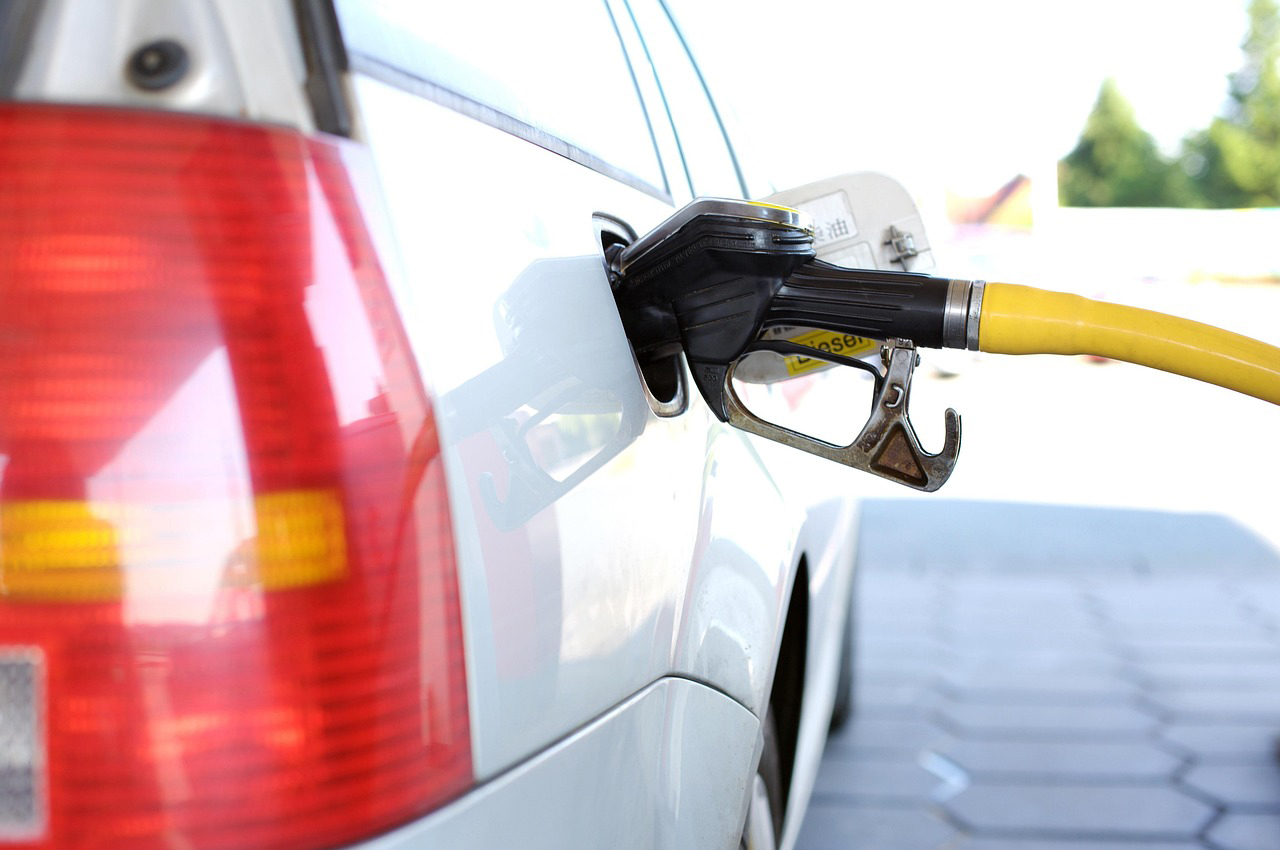
The increase in global fuel prices has created a challenging environment for Australian businesses, and placed significant strain on margins and cash flow throughout the national supply chain.
In response to the pressures, the ATO has announced a dedicated “Fuel Response” package will be available until June 30, 2026. The package will be tailored for businesses and sole traders whose ability to meet tax obligations has been compromised by elevated fuel and transport costs.
The package is a part of the larger National Fuel Security Plan the ATO rolled out on March 30, when temporary measures were initially introduced to address the sharp rise in fuel costs.
According to the ATO, eligible taxpayers can access the fuel response tailored payment plan with the following conditions:
- General interest charge remission – the ATO will make a decision to remit any general interest charge that has accrued from the time of your application to the date of the third monthly instalment, provided you pay all instalments agreed under the payment plan for three months and bring any outstanding lodgements up to date in that period
- No upfront payment
- A three-year payment plan period of 36 equal monthly instalments.
The ATO has also indicated it will take a flexible approach to enforcing payments in cases where the parties demonstrate a genuine inability to make payments due to fuel-related costs.
Applicants must applicants must hold an Australian business number (ABN) and meet the following criteria to be eligible:
- Their tax lodgements are up-to-date within three months of the payment plan being set up
- Have experienced an increase in business operating costs which are either attributable directly to higher fuel costs, or indirectly attributable to high fuel costs because of increased transport, logistics or other supply chain costs
- Have a new tax debt or are unable to service an existing tax debt
- Can demonstrate a reduced capacity to pay due to the high fuel prices. This is separate from a general downturn in business or ordinary cashflow issues. This means that if fuel prices hadn’t been so high, the applicant anticipates that they would have been able to meet their payment obligations, including their instalments under existing payment plans.
For more information, visit the ATO website.
PREV
NEXT
Comments
Advertisements


Recent news
- ATO launches fuel response package
- Decarbonising industry: it’s all about the process
- Heating and cooling in a climate-neutral economy
Latest events
- Heating and cooling in a climate-neutral economy
- Dial in for a deep dive on decarbonising data centres
- ASHRAE calls for abstracts for 2027 Winter Conference
Leave a Reply